Frontal organisations backbone of Congress, says Dutt; issues directives for revamp in Haryana
Source Entity
India Latest News: Top National Headlines Today & Breaking News | The Hindu
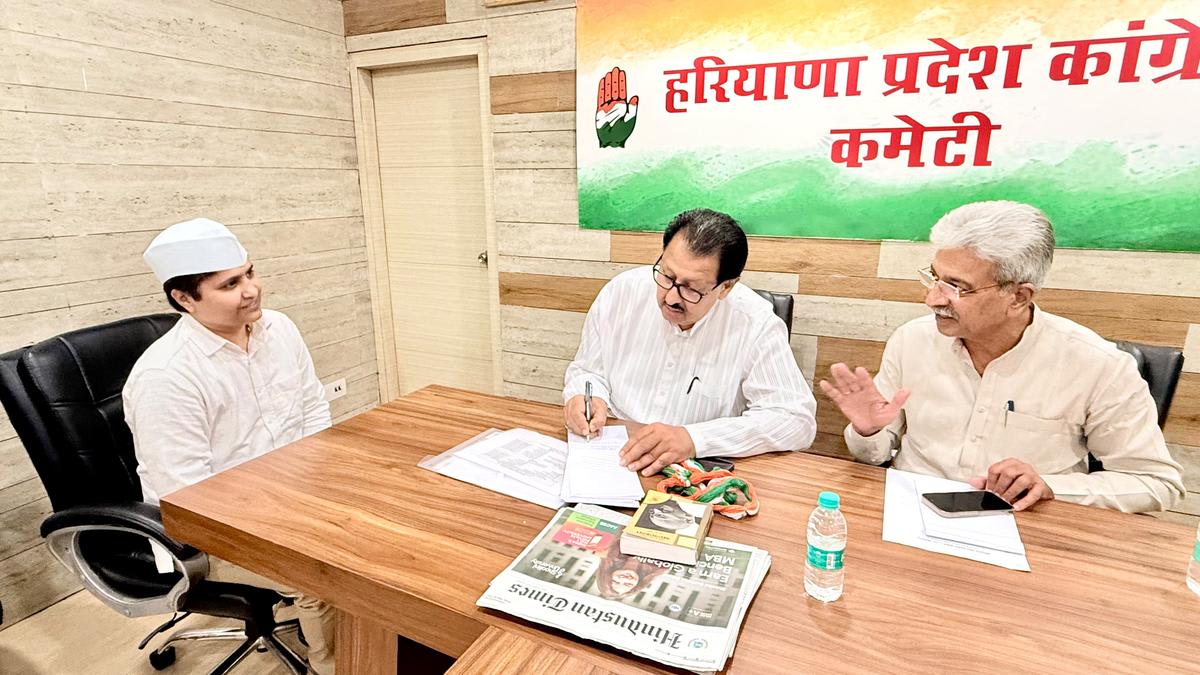
Sanjay Dutt urged the organisation to focus on issues concerning women’s rights, women’s empowerment, increasing atrocities against women, inflation, unemployment and women’s safety.
Strategic Restructuring: The Role of Frontal Organizations in Haryana Congress
In a significant move to bolster the party's grassroots presence, Sanjay Dutt has emphasized that frontal organizations are the essential "backbone" of the Congress party. By issuing directives for a comprehensive revamp in Haryana, Dutt is signaling a shift toward a more structured, inclusive, and issue-driven approach to political mobilization. This directive comes at a critical juncture where political parties must evolve their outreach strategies to remain relevant to a diverse and increasingly demanding electorate.
The Strategic Importance of Frontal Organizations
Frontal organizations—which typically include youth wings, student unions, and women's cells—serve as the primary recruitment and training grounds for a political party. By describing these entities as the "backbone," Dutt acknowledges that the party's success in Haryana depends not just on its top-tier leadership, but on its ability to mobilize specific demographics. A revamp of these organizations suggests a need to purge inefficiency and inject new energy into the party's lower tiers, ensuring that the Congress party can effectively translate high-level policy goals into local action.
Prioritizing Women's Rights and Safety
A central pillar of Dutt's directives is the urgent focus on women's rights, empowerment, and the rising tide of atrocities against women. In the socio-political landscape of Haryana, women's safety and gender equality remain volatile and critical issues. By mandating that frontal organizations prioritize these concerns, the party is attempting to position itself as the primary champion for women's safety and dignity. This is not merely a social imperative but a strategic electoral move to capture a demographic that often feels marginalized in traditional political discourse.
Addressing Economic Grievances: Inflation and Unemployment
Beyond social issues, the directive explicitly targets the dual economic pressures of inflation and unemployment. These are perennial grievances that resonate across all social strata in Haryana. By directing the revamped organizations to center their narrative around these economic hardships, the Congress party aims to build a bridge with the youth and the working class. Addressing the cost of living and the lack of job opportunities allows the party to frame its opposition to the current administration through a lens of economic failure and social instability.
Broader Implications for Haryana's Political Landscape
This push for a revamp suggests that the Congress party recognizes a gap between its organizational structure and the actual needs of the people. In Haryana, where caste dynamics and local loyalties often dominate politics, shifting the focus toward universal issues like unemployment and women's safety represents an attempt to broaden the party's appeal. If executed successfully, this restructuring could transform the party's frontal organizations from passive administrative bodies into active agents of social and political change.
Future Trends and Expected Outcomes
Looking forward, the success of this initiative will depend on whether the directives are translated into tangible field work. We can expect an increase in localized protests, awareness campaigns, and community outreach programs led by the youth and women's wings of the party. If the Congress party can successfully associate its brand with the resolution of inflation and the protection of women, it may see a resurgence in its popularity among the rural and semi-urban populations of Haryana, potentially altering the state's political equilibrium in upcoming electoral cycles.
Conclusion
Sanjay Dutt's call for a revamp of the Congress party's frontal organizations in Haryana is a calculated attempt to modernize the party's machinery. By centering the organizational focus on the critical intersections of gender safety and economic stability, the party is attempting to rebuild its foundation from the ground up. The effectiveness of this strategy will ultimately be measured by the party's ability to mobilize the masses around these core issues and convert grassroots energy into electoral viability.
Verification Required?