Opinion: Opinion | Congress Wants Professionals. Can It Deal With What They Say?
Source Entity
NDTV News Search Records Found 1000
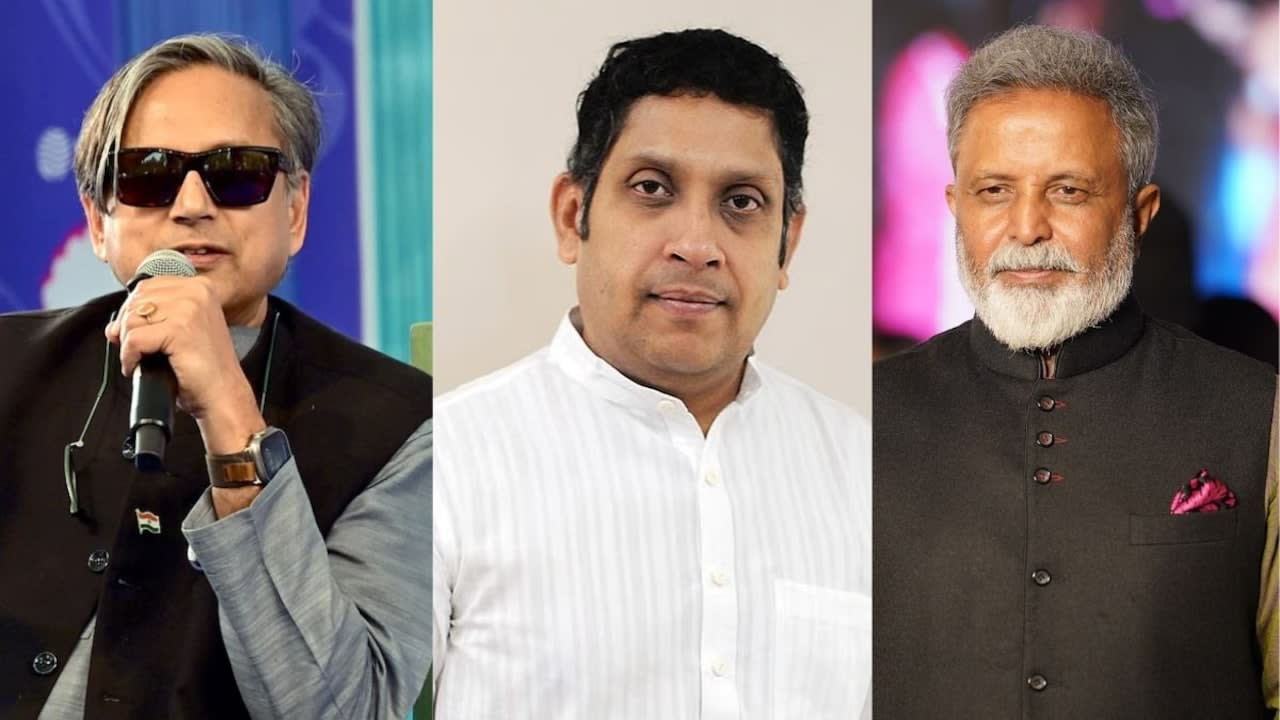
The Congress party's 2017 experiment of integrating professionals into its ranks faces critical scrutiny. The experiences of figures like Shashi Tharoor, Praveen Chakravarti, and Madhu Goud Yaskhi highlight the ongoing tension between traditional party structures and professional expertise.
The Congress Party’s Professional Experiment: A Strategic Evolution
Since 2017, the Indian National Congress has embarked on a deliberate strategy to recruit and integrate professionals—ranging from economists and diplomats to technocrats—into its political fold. This shift was designed to modernize the party's policy-making apparatus and provide a counter-narrative to the prevailing political discourse. By bringing in individuals with specialized skill sets, the party aimed to bridge the gap between grassroots mobilization and sophisticated governance expertise.
The Trajectory of Integration: From Tharoor to Yaskhi
The narrative of this experiment is best understood through the experiences of prominent figures such as Shashi Tharoor, Praveen Chakravarti, and Madhu Goud Yaskhi. Shashi Tharoor, an internationally recognized diplomat, represents the party's efforts to project a global, intellectual image. Conversely, Praveen Chakravarti brought data-driven economic rigor to the party’s manifesto development, while Madhu Goud Yaskhi represents the navigation of internal party dynamics. Each of these figures has faced unique challenges in reconciling their professional backgrounds with the traditional expectations of party hierarchy.
The Clash of Cultures: Professionals vs. Traditionalists
A central theme emerging from this experiment is the inherent friction between professional autonomy and political subordination. Professionals often operate in environments that value objective data, iterative feedback, and merit-based outcomes. In contrast, traditional party structures prioritize seniority, legacy hierarchies, and the exigencies of electoral coalition management. This cultural mismatch often leads to friction when professional advice—which may be politically inconvenient—is weighed against the immediate needs of political survival.
Challenges to Internal Dissent and Influence
The core question raised by this ongoing experiment is whether the Congress party can truly accommodate the candid advice provided by these professionals. When experts like Chakravarti or Tharoor express views that deviate from the party line or challenge established narratives, it tests the party's tolerance for internal dissent. The 'fate' of this experiment hinges on whether these professionals are viewed as mere decorative additions or as genuine architects of policy who possess the political capital to influence the party’s direction.
Broader Implications for Indian Democracy
The integration of professionals into political parties is not merely an internal Congress affair; it reflects a broader trend in Indian democracy. As the electorate becomes increasingly younger and more urbanized, political parties are under pressure to professionalize their operations. The success or failure of the Congress experiment provides a template for other parties attempting to balance the need for specialized knowledge with the demands of populist politics.
Future Trends and Concluding Outlook
Looking ahead, the sustainability of this model will depend on the party's ability to create a secure space for professional input without alienating its traditional base. If the Congress can successfully synthesize the intellectual rigor of its professionals with the strength of its grassroots network, it may establish a new standard for modern political management. However, if the friction remains unresolved, the party risks losing the very talent it sought to attract, potentially signaling a retreat to more traditional, insular modes of operation.
Verification Required?