Congress recalls former NZ PM’s role in reviving ties with India in the 1980s as Modi elevates partnership
Source Entity
India Latest News: Top National Headlines Today & Breaking News | The Hindu
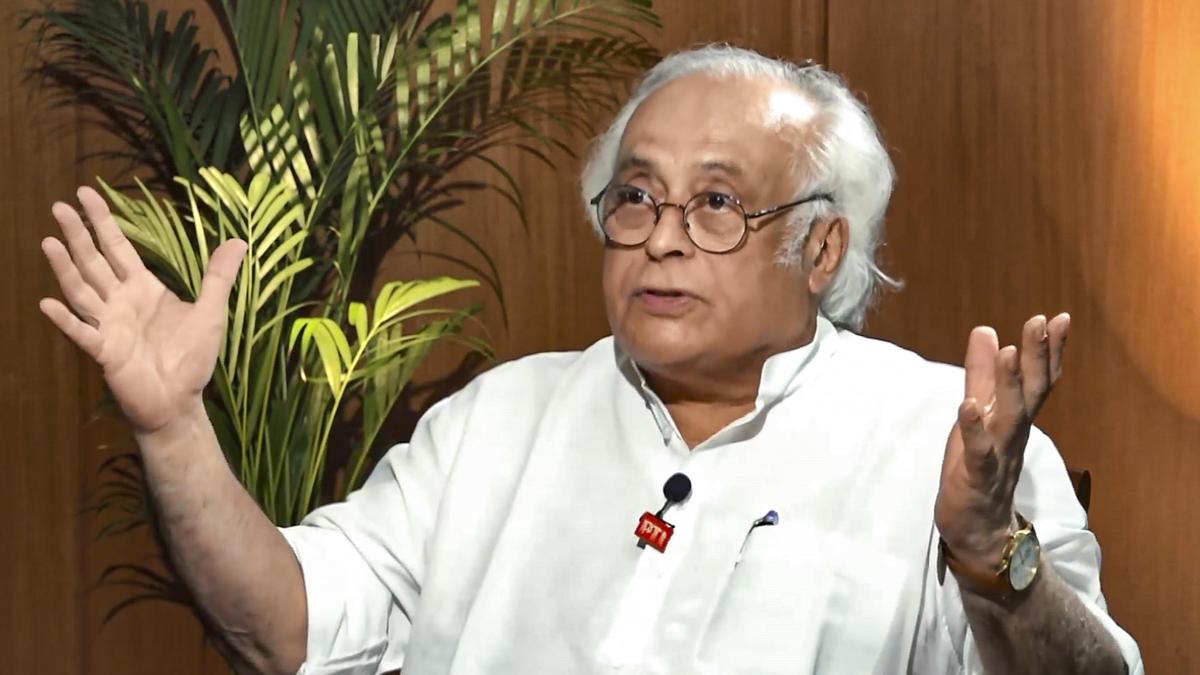
Congress leader Jairam Ramesh also recalled New Zealand’s role in helping develop the Indian dairy sector, establish AIIMS; says former NZ PM David Lange built close ties with Indira and Rajiv Gandhi
The Historical Roots of India-New Zealand Diplomacy
In a recent political commentary, Congress leader Jairam Ramesh sought to provide historical context to the current state of India-New Zealand relations. By recalling the contributions of former New Zealand Prime Minister David Lange, Ramesh highlighted that the burgeoning partnership celebrated under Prime Minister Narendra Modi is not a recent phenomenon but is instead built upon a foundation laid several decades ago. This attempt to bridge the gap between the 1980s and the present day underscores the long-standing nature of bilateral engagement between the two nations.
The Lange Era and the Gandhi Administration
The core of Ramesh's argument centers on the 1980s, a period characterized by significant diplomatic maneuvering. He specifically noted that David Lange played a pivotal role in reviving and strengthening ties with India during the administrations of Indira Gandhi and Rajiv Gandhi. This era was crucial for establishing a rapport between the leadership of both nations, moving beyond mere transactional diplomacy toward a more structured relationship. By invoking the names of the Gandhi family, the Congress leader aimed to remind the public of the historical groundwork laid by his party's leadership.
Developmental Milestones: Dairy and Healthcare
Beyond high-level political meetings, the analysis points toward tangible developmental impacts that New Zealand facilitated for India. Ramesh emphasized New Zealand's role in the development of the Indian dairy sector, a cornerstone of India's rural economy. Furthermore, the mention of New Zealand's involvement in the establishment of the All India Institute of Medical Sciences (AIIMS) highlights a legacy of technical and institutional cooperation. These specific examples serve to demonstrate that the relationship has historically been rooted in mutual developmental interests, particularly in sectors critical to India's social infrastructure.
The Politics of Diplomatic Continuity
From a political perspective, Ramesh's remarks carry a significant subtext. As Prime Minister Modi continues to elevate India's global standing and strengthen strategic partnerships, the Congress party is utilizing these historical references to argue for a narrative of continuity. By crediting previous administrations with the foundational work of the India-NZ relationship, the opposition suggests that current diplomatic successes are part of a larger, ongoing trajectory rather than isolated achievements of the present government. This is a strategic move to frame foreign policy as a bipartisan, long-term national interest.
Transitioning to the Modern Strategic Partnership
The evolution from the developmental cooperation of the 1980s to the "elevated partnership" mentioned in the context reflects the changing dynamics of global geopolitics. While the Lange era focused heavily on technical assistance in dairy and healthcare, the contemporary relationship under the Modi administration appears to have expanded into broader strategic and economic spheres. However, as Ramesh’s comments suggest, the modern strength of this tie is inextricably linked to the institutional and sectoral cooperation established during the late 20th century.
Conclusion: A Multi-Generational Bond
In conclusion, the recognition of David Lange's role in India-New Zealand relations serves as a reminder of the importance of historical perspective in modern diplomacy. Whether viewed through the lens of developmental aid or high-level political alliance, the ties between India and New Zealand have undergone a profound transformation. By connecting the legacies of the 1980s to the contemporary era, the discourse highlights that even as partnerships evolve and intensify, they remain deeply anchored in the historical efforts of past leaders.
Verification Required?