Rs 2.98 lakh for foreign travel date change? Tour firm to refund Rs 5.43 lakh, pay Rs 50k
Source Entity
Vineet Upadhyay
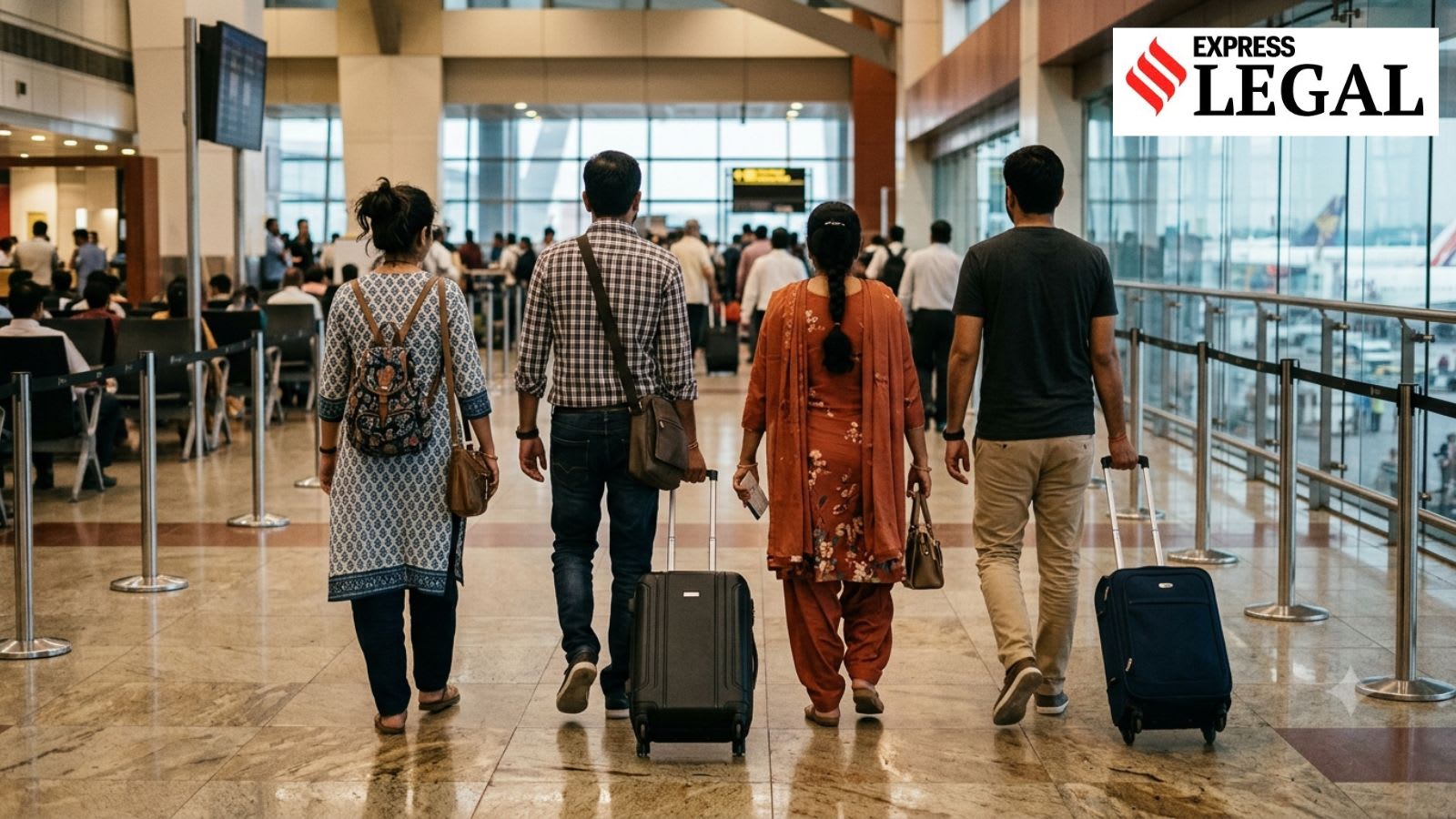
Consumer commissions in Delhi and Sonipat have ruled in favor of passengers, ordering travel agencies and the Railway Board to refund fares and pay compensation due to service deficiencies. These rulings underscore the legal protections available to travelers against arbitrary charges and unfair cancellation policies.
Consumer Protection: Landmark Rulings Against Travel Deficiencies
Recent directives from consumer commissions in Delhi and Sonipat highlight a growing trend of judicial intervention in the travel and tourism sector. In two separate incidents, authorities have penalized service providers for failing to honor commitments, reinforcing the principle that consumers should not bear the financial brunt of service disruptions or arbitrary fee hikes.
Delhi Commission Tackles Arbitrary Fee Demands
In the Delhi case, a private travel agency attempted to levy an additional charge of Rs 2.98 lakh on four passengers seeking to modify their international travel dates. The District Consumer Disputes Redressal Commission, South-II, found this demand unreasonable. By ordering a full refund of Rs 5.43 lakh, plus an additional Rs 50,000 for compensation and legal expenses, the commission has sent a clear signal that travel agencies cannot use date-change requests as a pretext for exorbitant, non-transparent financial demands.
Railway Accountability During Natural Disasters
Simultaneously, the Sonipat District Consumer Commission addressed a case involving the Railway Board. Following the suspension of trains to Katra due to landslides in August 2025, the Railways failed to automatically refund a passenger’s fare. The commission ruled that retaining the fare for a cancelled service constitutes a deficiency in service. The order to refund Rs 7,350 along with Rs 16,000 in combined compensation and litigation costs emphasizes that state entities are not exempt from the duty to provide fair treatment during force majeure events.
The Legal Framework of Consumer Rights
These cases underscore the efficacy of the Consumer Protection Act in India. By establishing forums like District Commissions, the legal system provides a relatively accessible pathway for citizens to challenge corporate overreach. These rulings serve as a deterrent against 'unfair trade practices,' where service providers might otherwise capitalize on a customer's lack of alternatives or urgent travel requirements.
Broader Implications for the Travel Industry
For the travel and hospitality industry, these judgments necessitate a review of internal policies. Agencies must ensure that fee structures for date changes are transparent and proportional. Furthermore, transport providers must streamline their refund mechanisms, particularly when services are suspended due to natural calamities, to avoid being branded as deficient in service.
Future Trends in Consumer Redressal
As travel becomes increasingly digitized, the nature of disputes is evolving. These recent rulings suggest a shift toward more robust enforcement of consumer rights. Moving forward, travelers can expect increased judicial scrutiny of booking terms and conditions, forcing companies to prioritize transparent communication and ethical financial practices to maintain their reputation and avoid legal penalties.
Multiple Citing Sources