Continental Resources to develop massive oil patch in Venezuela
Source Entity
US Top News and Analysis
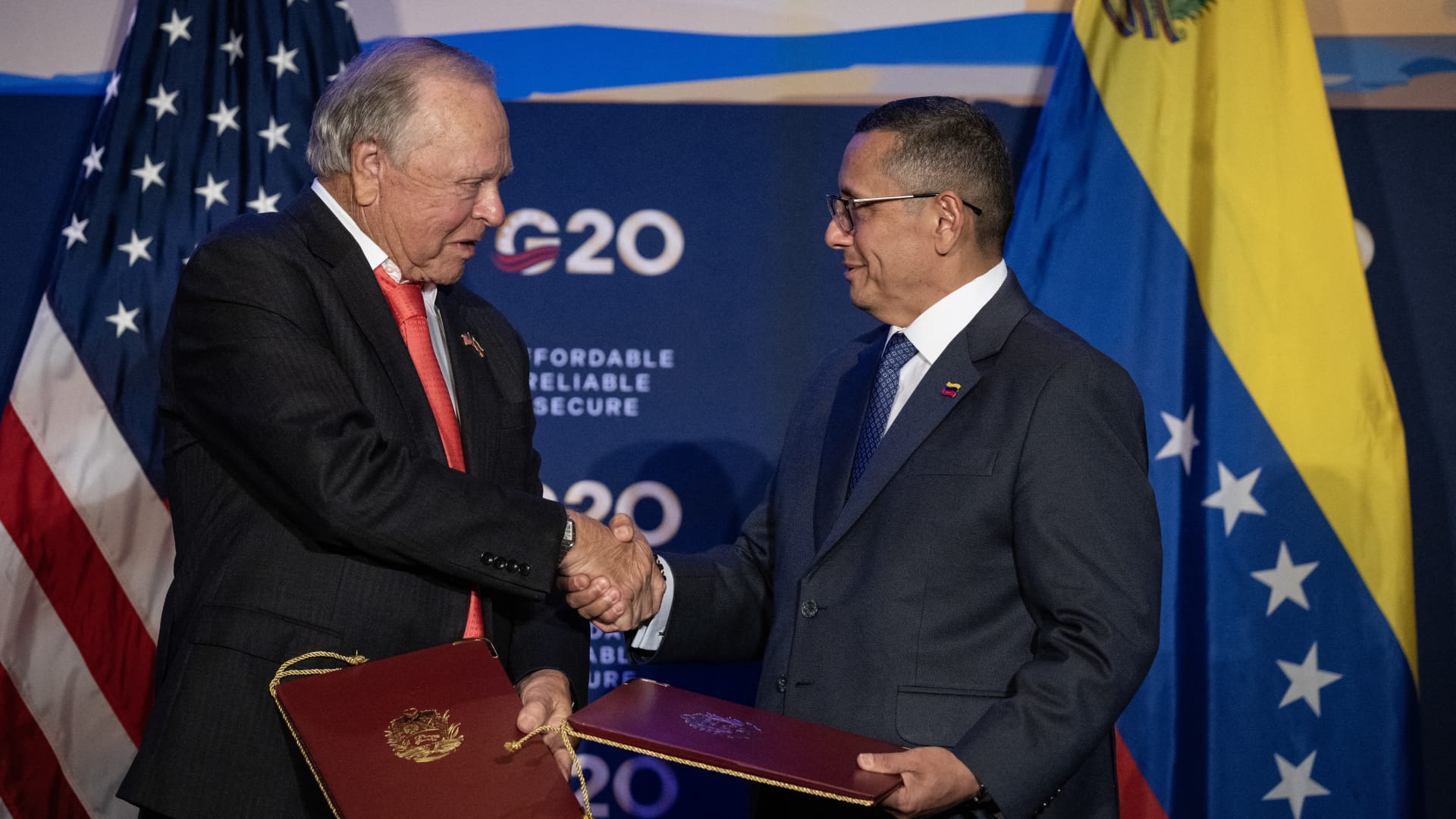
Continental Resources has signed a memorandum of understanding to develop a 126,000-acre oil patch in Venezuela's Orinoco Belt. This project aims to tap into significant reserves estimated at 30 billion barrels, marking a major expansion for the firm.
Continental Resources Enters Venezuelan Energy Market
In a landmark development for the global energy sector, Continental Resources has officially announced a strategic memorandum of understanding (MOU) with Venezuela’s state-owned oil company, Petróleos de Venezuela (PDVSA). This agreement, formalized during the G20 Ministerial Meeting on Energy Abundance in Houston, Texas, signifies a major shift in international energy partnerships. By securing rights to a 126,000-acre plot within the Orinoco Belt, Continental Resources is positioning itself at the heart of one of the world's most significant hydrocarbon basins.
Accessing the Orinoco Belt’s Potential
The Orinoco Belt is globally recognized for its massive geological wealth, containing the vast majority of Venezuela’s total 303 billion barrels of proven oil reserves. By targeting an area with an estimated 30 billion barrels of reserves, Continental Resources is undertaking an ambitious extraction project that requires significant technical and operational expertise. The development of this patch represents a substantial commitment by Continental to expand its footprint beyond its traditional North American operations, signaling confidence in the long-term feasibility of the Orinoco region.
Strategic Implications of the G20 Agreement
The timing of this announcement—coinciding with the G20 Ministerial Meeting—underscores the geopolitical importance of energy security and resource abundance. The handshake between Harold Hamm, chairman of Continental Resources, and PDVSA Executive Vice President Jovanny Martinez highlights the diplomatic and economic alignment necessary for such high-stakes international energy ventures. This collaboration could serve as a catalyst for future infrastructure development within the region, potentially stabilizing output from a nation that has historically struggled with production volatility.
Operational and Technological Challenges
Developing a 126,000-acre patch in the Orinoco Belt is not without its complexities. The crude found in this region is typically heavy and extra-heavy, requiring specialized processing and refining capabilities to reach global market standards. Continental Resources will need to leverage its advanced extraction technologies to ensure the project remains cost-effective and environmentally compliant. The success of this venture will likely depend on the company's ability to integrate its operational efficiency with the existing, albeit challenging, infrastructure of Venezuela's state-controlled energy sector.
Future Outlook and Long-Term Goals
Looking ahead, the transformation of this MOU into a formal, long-term agreement will be the critical next step for both parties. If successfully implemented, this partnership could secure a steady supply chain for Continental and provide Venezuela with the necessary capital and technical support to revitalize its stagnant production levels. As the global energy landscape continues to evolve, this move into the Orinoco Belt highlights the enduring demand for large-scale fossil fuel extraction and the willingness of major firms to engage in high-reward, high-complexity international partnerships.