'Science fiction': Transport companies — the backbone of economy — are sounding alarm on fuel prices
Source Entity
US Top News and Analysis
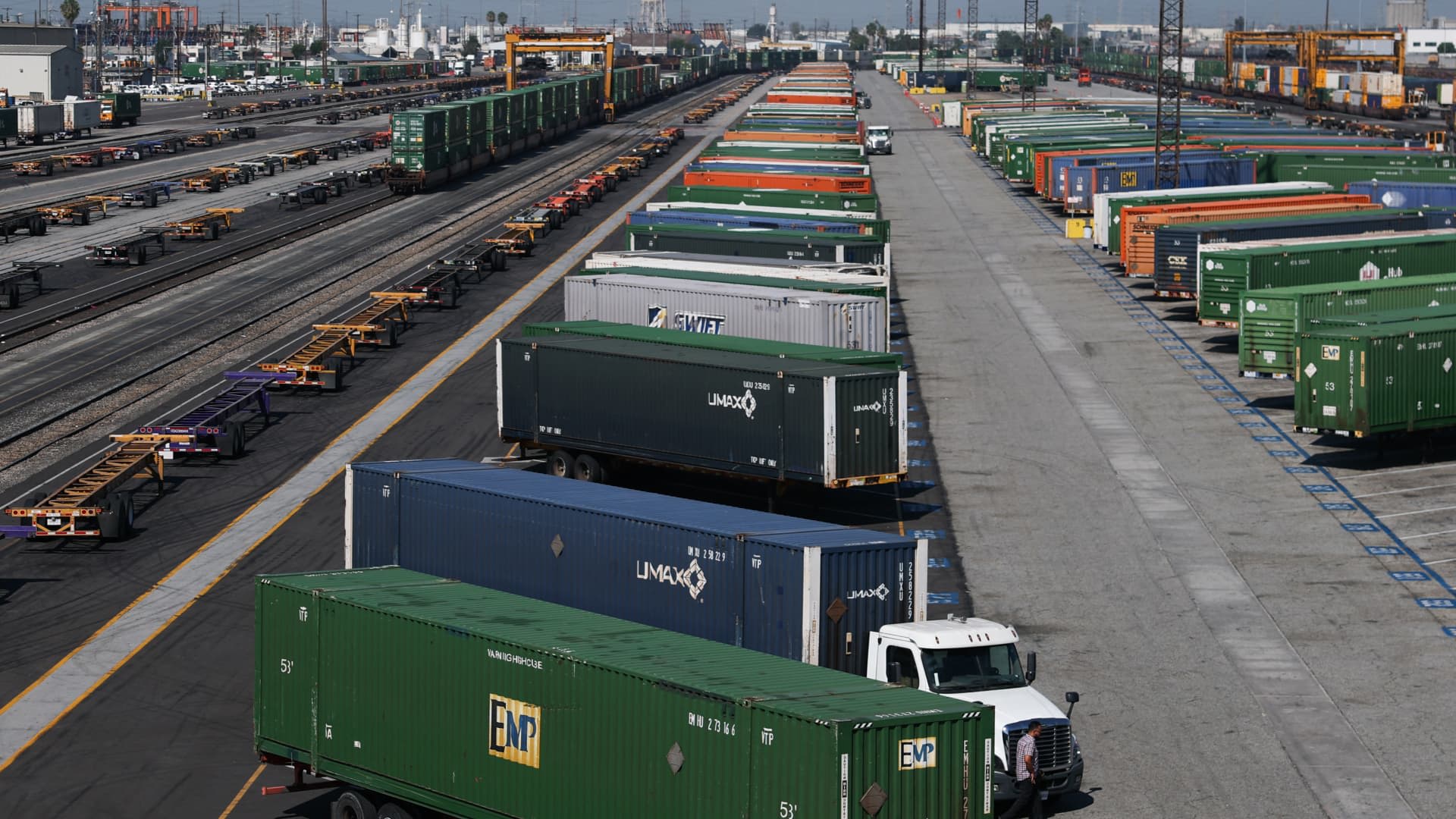
Diesel prices have reached a record high of $6.31 per gallon, driven by supply shocks from the U.S. conflict with Iran. This surge threatens the stability of the transportation sector and the broader economy.
The Economic Impact of Record-Breaking Diesel Prices
Transportation companies serve as the essential circulatory system of the U.S. economy, moving goods from ports to retail shelves. However, a precarious situation has emerged as diesel fuel—the primary energy source for long-haul trucking and rail freight—has reached an all-time high of $6.31 per gallon. This unprecedented price level, confirmed by AAA, represents a staggering 70% increase compared to figures from just one year ago, creating a bottleneck that threatens to stifle economic growth.
The Geopolitical Catalyst
The root cause of this inflationary pressure is directly tied to the ongoing U.S. war with Iran. In global markets, energy prices are highly sensitive to geopolitical instability, particularly in regions critical to oil production and transit. The supply shock resulting from this conflict has disrupted traditional energy flows, leading to the radical and abnormal price volatility described by industry leaders. This is not merely a market fluctuation but a direct consequence of wartime exigencies that have constrained supply chains.
Operational Strain on Logistics
Industry experts, including Brad Delco, the finance chief at J.B. Hunt, have highlighted the severity of these conditions at recent industry conferences. For trucking companies, fuel is typically one of the largest variable costs. When prices rise by over 70% in a single year, companies are forced to choose between absorbing massive losses or passing these costs onto consumers. This dilemma complicates the financial planning for logistics firms and threatens to reduce the efficiency of the entire supply chain.
Broader Economic Implications
Because nearly every consumer good relies on trucking or rail at some point in its journey, these record-high diesel costs act as a hidden tax on the economy. Higher transportation expenses inevitably lead to increased retail prices for groceries, electronics, and construction materials. As the 'backbone' of the economy, the transportation sector’s inability to stabilize its fuel costs suggests a period of prolonged inflationary pressure that could dampen consumer spending and slow industrial output.
Future Trends and Outlook
Looking forward, the persistence of these price levels depends heavily on the trajectory of the conflict with Iran. Should the supply shock continue, companies will likely accelerate investments in fuel efficiency, shift toward alternative logistics models, or rely more heavily on fuel surcharges to maintain solvency. The current volatility serves as a stark reminder of the vulnerability of national infrastructure to global military engagements, signaling a challenging period ahead for both logistics operators and the end-market consumers who rely on them.