COP31 success is about delivery, support and scale, not new targets: Bhupender Yadav
Source Entity
Latest News: Todays Latest News Headlines from India & World | Hindustan Times | Hindustan Times
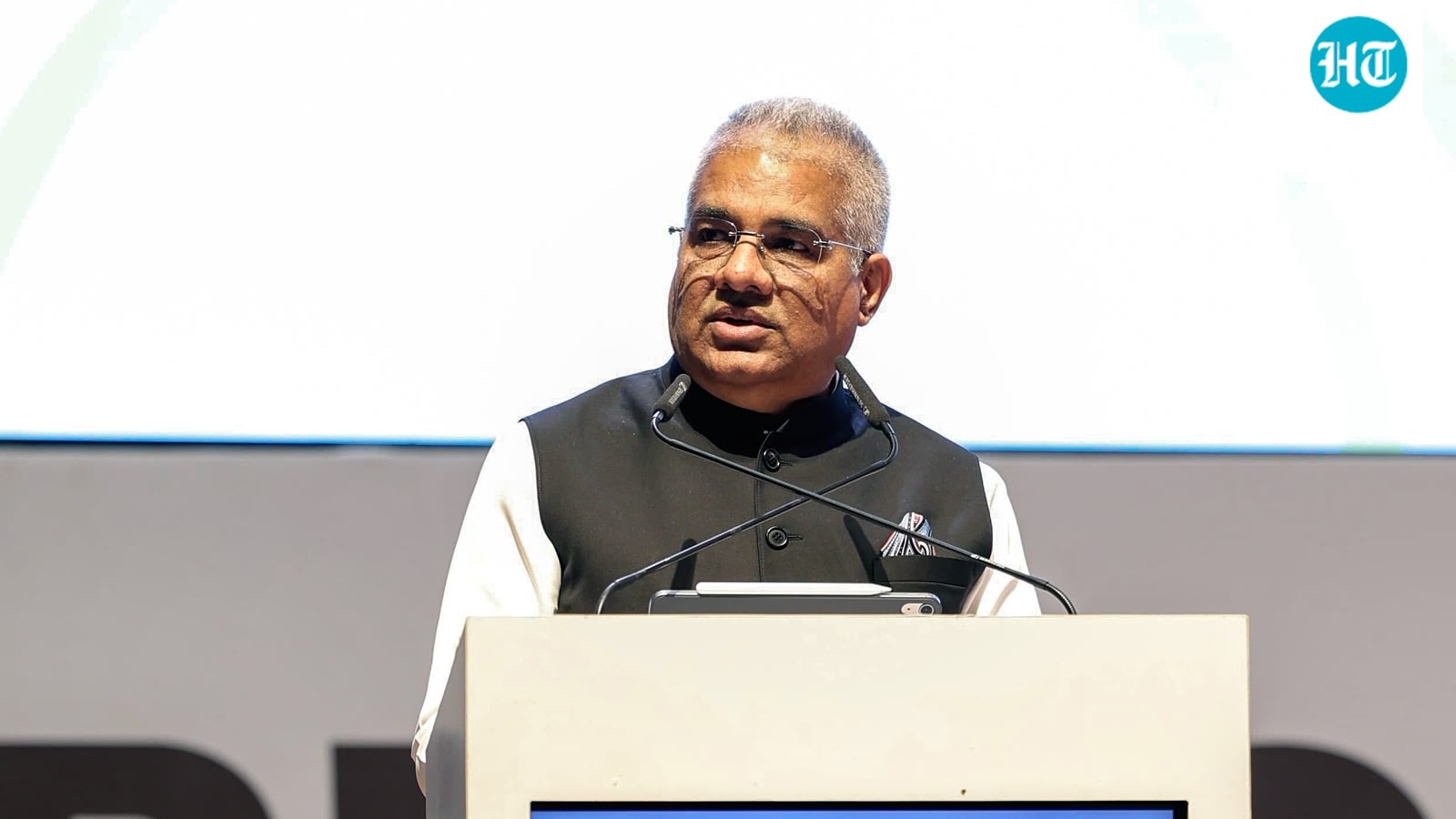
Union Minister Bhupender Yadav emphasized that COP31 success depends on delivering existing climate commitments rather than setting new targets. He highlighted the need to bridge gaps between scientific knowledge, community practices, and resource allocation to meet Paris Agreement goals.
The Shift Toward Implementation: A New Era for Climate Diplomacy
At the recent UNFCCC Pre-COP31 meeting in Fiji, co-hosted by Australia and Tuvalu, Union Minister for Environment, Forest and Climate Change Bhupender Yadav articulated a pivotal shift in global climate strategy. Rather than advocating for the creation of new, ambitious targets, Yadav emphasized that the success of the upcoming COP31 summit hinges on the effective delivery, support, and scaling of existing mandates. This stance reflects a growing realization within the international community that the proliferation of aspirational goals may be outpacing the operational capacity to achieve them.
Bridging the Gap Between Policy and Practice
Yadav’s intervention specifically identified critical fissures in the current climate framework. He noted a profound need to build consensus on existing gaps, particularly the disconnect between scientific data and traditional community practices. By calling for an integration of indigenous and local knowledge alongside modern climate science, India is positioning itself as a leader in advocating for more holistic, culturally resonant climate solutions. This approach suggests that top-down policy mandates are insufficient without the ground-level support of local communities.
Ethics and the Resource Disparity
A significant portion of the Minister’s address focused on the ethical dimension of climate action. Yadav highlighted the gap between available resources and the 'felt needs' of developing nations. This is a recurring theme in global climate negotiations, where the disparity between climate finance promises and actual disbursement remains a major hurdle. His call for addressing this gap underscores the necessity of ensuring that climate justice is not merely a rhetorical device but a fundamental component of resource distribution.
Reaffirming the Paris Agreement
By grounding his argument in the existing framework of the United Nations Framework Convention on Climate Change (UNFCCC), Yadav reiterated the importance of the 1.5°C temperature goal set by the Paris Agreement. His remarks serve as a reminder that the long-term objectives are already firmly established. The challenge now is not to redefine the destination, but to accelerate the pace of implementation and hold stakeholders accountable for the commitments they have already made.
Future Trends and Implications
Looking forward, the emphasis on 'delivery' over 'targets' is likely to define the diplomatic landscape leading up to COP31. We can expect future negotiations to prioritize technical implementation, finance mechanisms, and transparency reports. If this trend continues, the focus of international summits will shift from grand declarations to the granular, logistical challenges of scaling green infrastructure and technology transfer, marking a maturation in the global response to the climate crisis.
Verification Required?