Costco and Walmart capture grocery-store crowns
Source Entity
Yahoo Finance
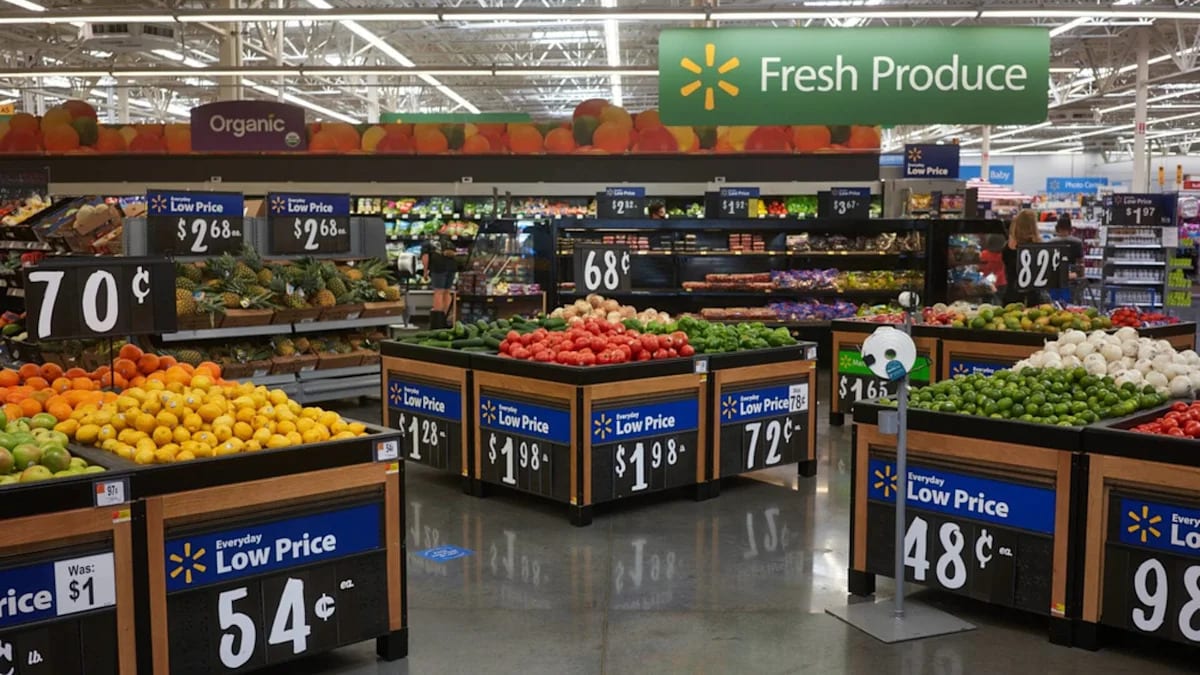
With prices rising, budgets tightening, and increased job security fears, Americans have become cautious about where they buy their groceries. The Food Industry Association's (FMI) June Grocery Shopp...
The Shift Toward Value: Analyzing the Dominance of Costco and Walmart
Recent data from the Food Industry Association's (FMI) June Grocery Shopper report reveals a significant shift in American consumer behavior. In an era defined by persistent inflation and fluctuating economic stability, Costco and Walmart have emerged as the primary beneficiaries of a nationwide trend toward value-based shopping. As household budgets tighten and anxieties regarding job security grow, the traditional loyalty consumers once held for local or mid-tier grocery stores is being replaced by a pragmatic search for the lowest possible unit price.
The Psychology of Economic Anxiety
The transition toward big-box retailers is not merely a matter of price, but a reflection of broader psychological stressors. The report explicitly mentions "tightening budgets" and "job security fears," which act as catalysts for a defensive spending posture. When consumers fear for their professional stability, they tend to migrate toward retailers that offer a sense of predictability and scale. This shift indicates a move from "convenience shopping"—where proximity and experience are prioritized—to "survival shopping," where the primary goal is the maximization of caloric and household utility per dollar spent.
The Warehouse Club Advantage: The Costco Model
Costco's rise in this environment is particularly telling. By utilizing a membership-based model, Costco is able to keep product margins razor-thin, passing the savings directly to the consumer. In a high-inflation environment, the "bulk buy" strategy becomes a hedge against future price increases. Consumers are not just buying for the week; they are stockpiling essential goods to lock in current prices and reduce the frequency of trips to the store, thereby lowering secondary costs like fuel and time. This strategic shift reinforces the warehouse club's position as a sanctuary for the budget-conscious middle class.
Supply Chain Hegemony: The Walmart Effect
While Costco captures the bulk-buyer, Walmart dominates through sheer scale and logistical efficiency. Walmart's ability to leverage its massive supply chain allows it to maintain aggressive pricing that smaller regional grocers simply cannot match. The "one-stop-shop" convenience of Walmart allows consumers to consolidate their spending, reducing the cognitive load of price-comparing across multiple vendors. As consumers become more cautious, the reliability of Walmart's pricing becomes a critical anchor for household financial planning.
Implications for the Retail Ecosystem
This migration toward the "grocery crowns" creates a precarious environment for traditional supermarkets and specialty food stores. These mid-tier retailers often lack the economies of scale to compete on price and the niche luxury appeal to attract high-net-worth individuals who are immune to inflation. We are likely witnessing a "hollowing out" of the grocery sector, where the market polarizes into ultra-low-cost giants and high-end organic boutiques, leaving traditional regional chains struggling to define their value proposition in a price-sensitive market.
Future Outlook and Predictions
Looking forward, this trend is likely to accelerate the adoption of private-label brands. As consumers migrate to Walmart and Costco, they are more likely to swap name-brand products for store-branded alternatives to further stretch their budgets. We can predict a period of intense consolidation within the grocery industry, as smaller players are either acquired by larger conglomerates or forced out of business. The dominance of these retail giants will likely lead to a permanent shift in how Americans perceive grocery shopping—moving it from a community-based activity to a logistics-based optimization problem.
Conclusion
The ascent of Costco and Walmart in the grocery sector is a direct symptom of the current American economic climate. Driven by inflation and a pervasive sense of financial insecurity, consumers are prioritizing cost-efficiency over all other factors. Until there is a sustained period of price stability and increased job security, the trend toward big-box and warehouse dominance is expected to persist, fundamentally reshaping the landscape of American retail.