Court Declines To Restrain Transfer Of 5 Elephants From Assam To Tamil Nadu
Source Entity
NDTV News Search Records Found 1000
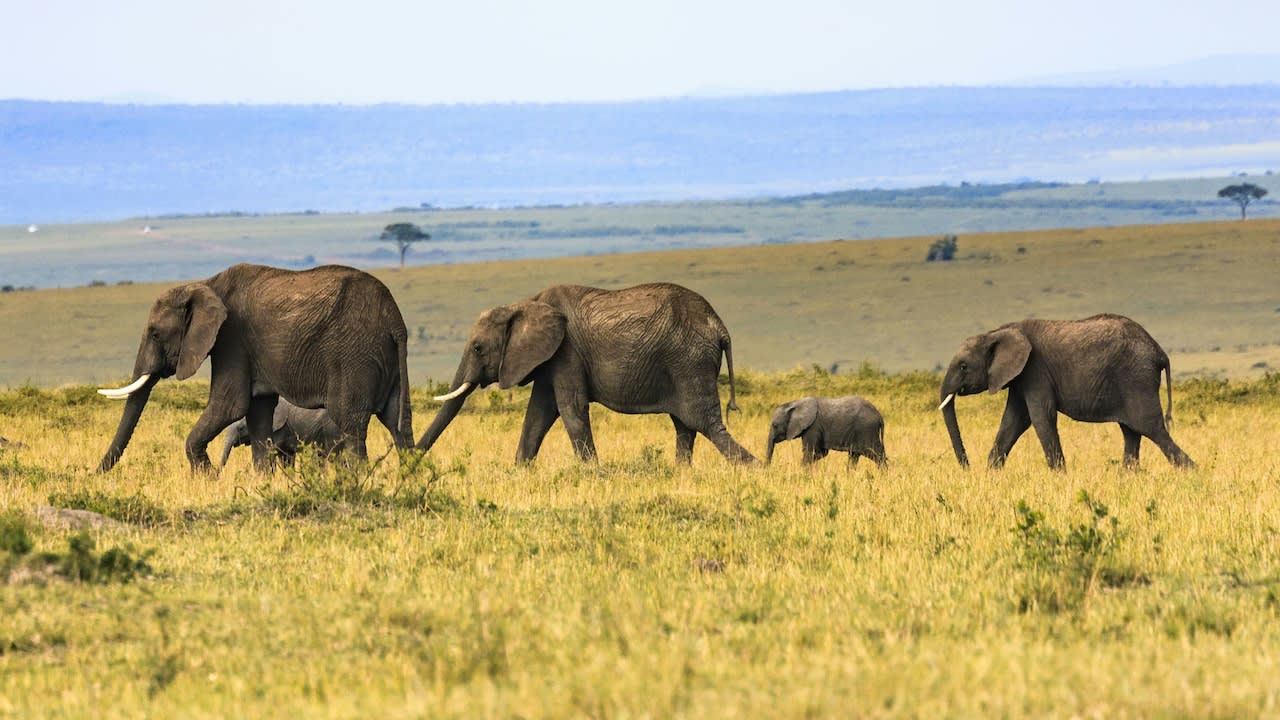
A court has refused to halt the relocation of five elephants from Assam to Tamil Nadu. The decision follows the submission of a formal response by the state to the High Powered Committee.
Legal Stance on Wildlife Relocation
The recent judicial refusal to restrain the transfer of five elephants from Assam to Tamil Nadu marks a significant moment in the intersection of wildlife management and legal oversight. By declining the petition to halt this movement, the court has signaled a reliance on the existing administrative frameworks designed to handle complex biodiversity logistics, specifically the role of the High Powered Committee.
The Role of the High Powered Committee
Central to this decision is the role of the High Powered Committee, an oversight body tasked with reviewing and approving the translocation of protected species. The court’s acknowledgment that the State has filed a response affidavit before this committee underscores the importance of procedural adherence. This committee acts as an expert arbiter, ensuring that the welfare of the elephants is prioritized during the transition between states.
Challenges in Animal Welfare and Logistics
Moving large mammals like elephants across vast geographical distances involves significant welfare considerations. From specialized transport vehicles to veterinary oversight during the journey, the logistics are immense. The court’s decision to allow the process to continue suggests confidence in the current protocols provided by the state to the committee, ensuring that the necessary precautions are being documented and reviewed.
Regional Biodiversity and Conservation
Assam serves as a critical habitat for Asian elephants, and the movement of these animals to Tamil Nadu—which also hosts significant elephant populations—highlights the national scope of wildlife conservation efforts. This transfer likely forms part of a broader management strategy aimed at balancing human-elephant conflict mitigation and population distribution across the country.
Future Implications for Wildlife Policy
Looking forward, this case sets a precedent for how judiciary bodies interact with specialized environmental committees. By deferring to the expert committee’s review process, the court is reinforcing the necessity of administrative expertise in handling wildlife conservation. Future transfers will likely continue to be scrutinized through this committee-based approach, ensuring that legal challenges are balanced against technical wildlife management requirements.
Verification Required?