CPI hardens its stance on Deputy Leader of the Opposition post in Kerala Assembly
Source Entity
India Latest News: Top National Headlines Today & Breaking News | The Hindu
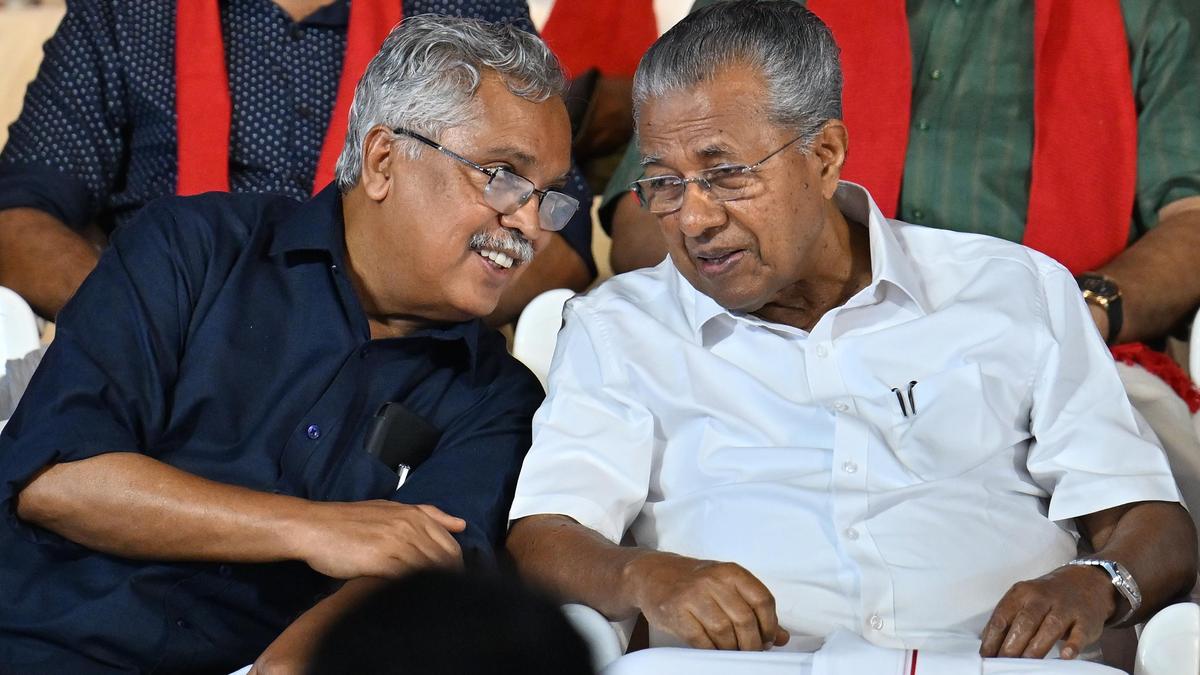
Party’s State secretary Binoy Viswam says it is necessary for Left Democratic Front’s unity; he adds that the demand is intended to strengthen the front
Internal Friction and Strategic Positioning within the LDF
The Left Democratic Front (LDF) in Kerala is currently navigating a period of internal negotiation as the Communist Party of India (CPI) has officially hardened its stance regarding the appointment of the Deputy Leader of the Opposition in the Kerala Assembly. This development, highlighted by the statements of CPI State Secretary Binoy Viswam, underscores a critical moment of power-sharing dynamics within the coalition. The demand is not merely about a title but represents a broader struggle for visibility and proportional representation within the legislative framework of the state.
The Logic of Coalition Unity
According to Binoy Viswam, the insistence on the Deputy Leader of the Opposition post is a strategic necessity intended to "strengthen the front." In the complex ecosystem of Kerala's coalition politics, the LDF is led by the CPI(M), but the CPI remains a pivotal partner. When a smaller partner feels its voice is being marginalized or its contributions overlooked in the assembly, it can lead to friction that weakens the overall coalition. By securing a formal leadership role, the CPI aims to ensure that its policy perspectives and political grievances are articulated with the necessary authority on the assembly floor, thereby preventing internal stagnation.
Historical Context of LDF Power-Sharing
Historically, the relationship between the CPI and CPI(M) has been characterized by a blend of ideological synergy and tactical rivalry. While they share a common goal of socialist governance, the distribution of portfolios and legislative posts has often been a point of contention. In Kerala, where the LDF has a strong organizational grip, the perceived dominance of the larger partner can sometimes alienate smaller allies. This current demand for the Deputy Leader position is a continuation of a long-standing tradition where allies negotiate for specific "slots" of power to maintain a sense of equity and mutual respect within the front.
Broader Political Implications
If the LDF fails to resolve this impasse, it could provide an opening for the opposition, primarily the United Democratic Front (UDF), to exploit perceived cracks in the Left's unity. A fragmented opposition front is less effective at holding the government accountable. Therefore, the CPI's demand is framed as a move for "unity" because a settled agreement on leadership posts removes a point of friction, allowing the coalition to present a monolithic and disciplined front against their political adversaries during legislative sessions.
Predicting Future Trends in Kerala Politics
Looking forward, this standoff is likely to result in a compromise, as neither the CPI(M) nor the CPI can afford a public rupture within the LDF. We can expect a series of high-level coordination committee meetings to finalize the arrangement. This event signals a trend where smaller coalition partners in Kerala are becoming more assertive about their legislative roles, moving away from passive alignment toward a more active, demand-driven partnership. This shift will likely influence how future coalitions are formed and managed across the state.
Conclusion
The CPI's hardening of its stance on the Deputy Leader of the Opposition post is a calculated move to ensure its political relevance and institutional presence in the Kerala Assembly. By framing the demand as a prerequisite for the unity of the Left Democratic Front, Binoy Viswam has placed the onus on the coalition to find a balanced solution. Ultimately, the resolution of this dispute will serve as a litmus test for the LDF's ability to manage internal dissent while maintaining a cohesive political strategy.
Verification Required?