Crusoe abandons $1.25B plan to use Boom turbines at AI data centers
Source Entity
Kirsten Korosec
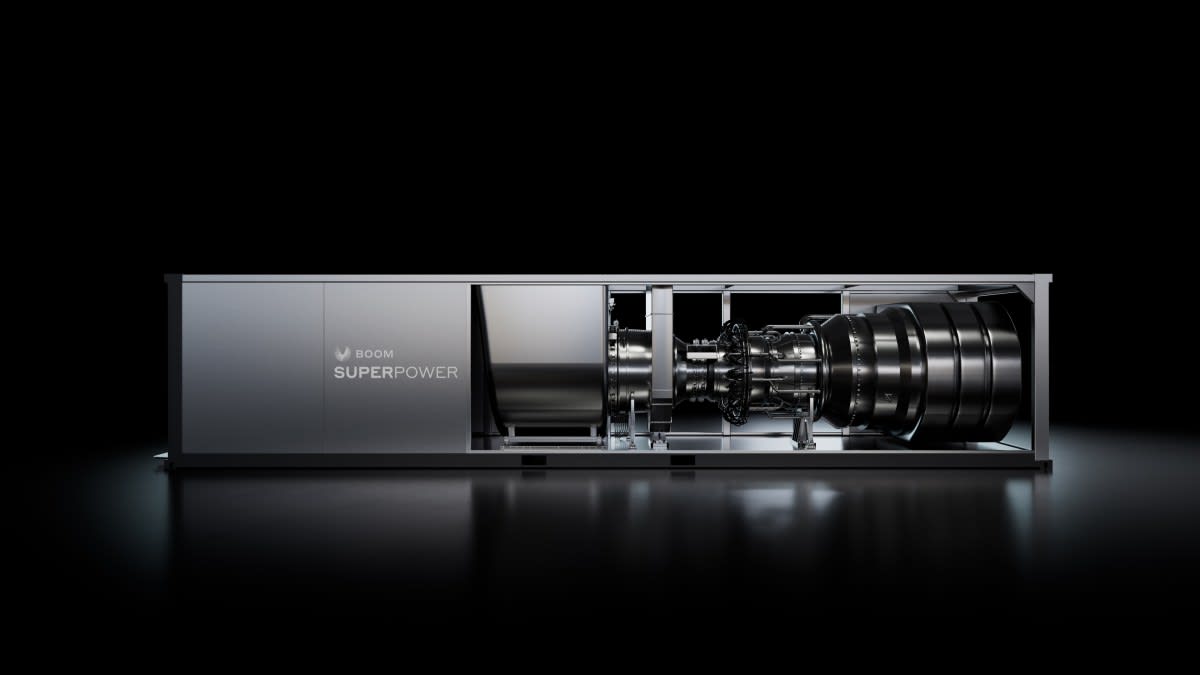
Crusoe has canceled plans to utilize Boom Supersonic's stationary power plants for its AI data centers. The decision marks a shift in strategy for both companies as they adjust their respective infrastructure and development goals.
Strategic Realignment in the AI Infrastructure Sector
In a significant pivot for the burgeoning AI infrastructure market, Denver-based Crusoe has officially abandoned its plans to integrate stationary power plants developed by Boom Supersonic into its data center operations. This decision, confirmed by Boom Supersonic CEO Blake Scholl, highlights the complexities inherent in scaling high-performance computing centers that require massive, reliable energy loads. While Crusoe recently secured a substantial $3.9 billion in funding to expand its footprint, the removal of Boom’s technology from its near-term roadmap suggests a recalibration of its operational strategy.
The Evolution of Crusoe
Crusoe’s trajectory represents the rapid transformation of energy-intensive tech startups. Originally founded in 2018 to monetize excess natural gas from oil fields through bitcoin mining, the company has successfully transitioned into a major player in the AI data center sector. Its current operations include a massive campus in Abilene, Texas, which serves as a critical infrastructure hub for OpenAI. This evolution underscores the growing demand for sustainable and cost-effective power sources to support the immense computational requirements of modern large language models.
Boom Supersonic’s Diversification Efforts
Boom Supersonic, primarily known for its ambitious goal of reviving supersonic passenger travel with its Overture jet, had sought to leverage its engineering expertise into the stationary power market. By repurposing its proprietary 'Symphony' engine technology—sharing approximately 80% of its components—into a product branded as 'Superpower,' the company aimed to create a robust, natural gas-fired energy solution. This initiative was designed to capitalize on the energy-hungry nature of data centers, positioning Boom as both an aerospace innovator and a power infrastructure provider.
The Challenges of Technology Integration
The cessation of the partnership between Crusoe and Boom Supersonic serves as a case study for the risks involved in cross-industry technology deployment. While the synergy between a high-bypass jet engine design and a stationary turbine is theoretically sound in terms of engineering efficiency, the practical application within a data center environment presents unique regulatory, maintenance, and supply chain challenges. For a company like Crusoe, which must prioritize 99.99% uptime for AI clients, the reliability of a relatively untested power source is a critical variable.
Broader Implications for AI Data Centers
This development reflects the broader trend of AI firms seeking energy independence amidst an increasingly taxed power grid. As data centers become more essential to the global economy, the hunt for localized, scalable power solutions—ranging from modular reactors to repurposed turbine technology—will continue to intensify. Crusoe’s decision to move away from the Boom partnership does not necessarily signal a failure of the technology, but rather a strategic choice to prioritize proven power infrastructure to meet its ambitious scaling targets.
Looking Ahead: Future Trends
As the industry matures, we can expect a continued trend of experimentation between tech startups and hardware manufacturers. The high-stakes environment of AI development leaves little room for experimental infrastructure that does not immediately demonstrate reliability. Future developments in this space will likely focus on energy solutions that offer both high output and long-term stability, as companies like Crusoe continue to build the physical backbone of the next generation of artificial intelligence.