Daayra review: Kareena Kapoor Khan, Prithviraj Sukumaran shine in a morally complex drama
Source Entity
Latest News: Todays Latest News Headlines from India & World | Hindustan Times | Hindustan Times
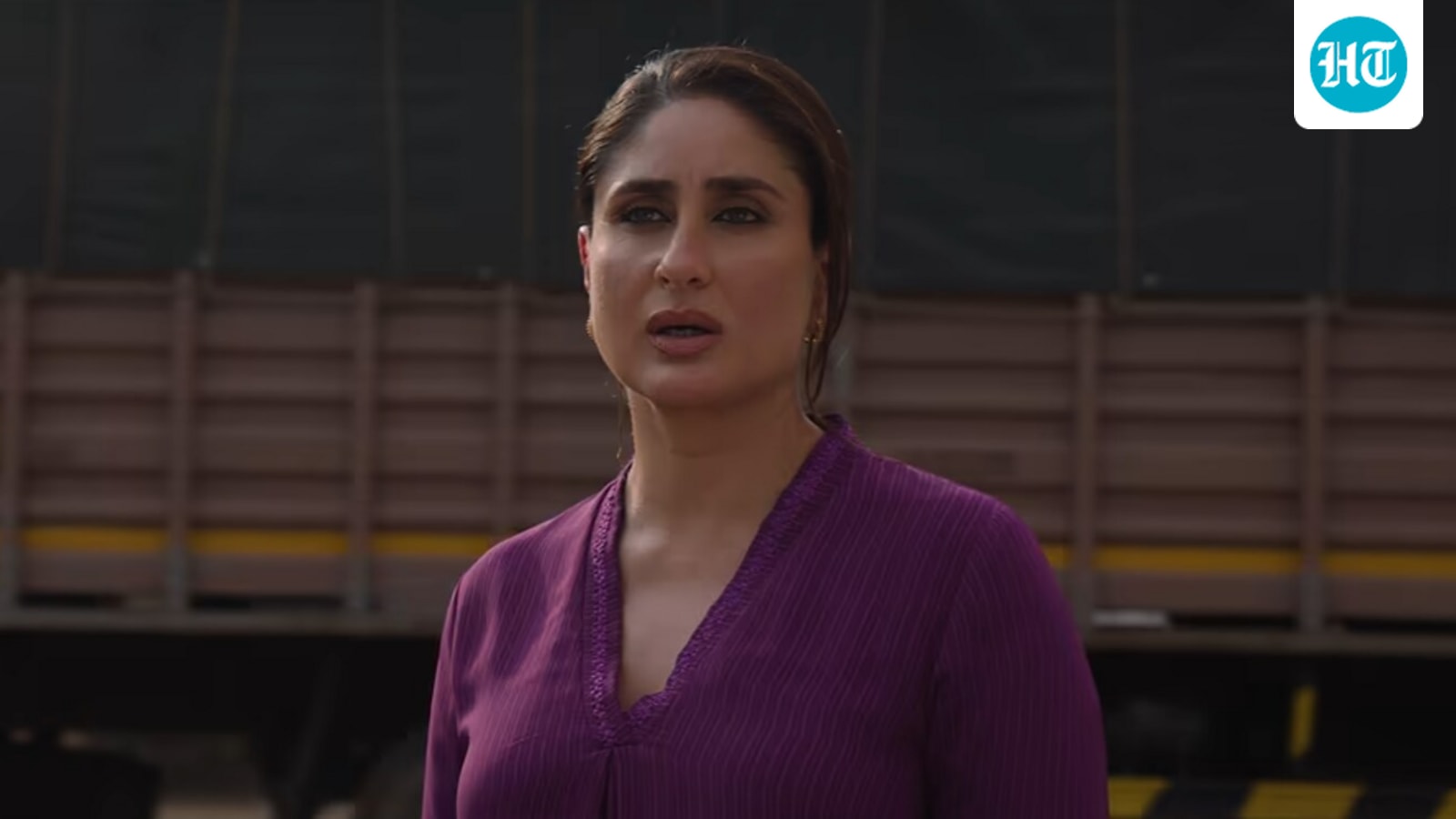
Meghna Gulzar's 'Daayra' features Kareena Kapoor Khan and Prithviraj Sukumaran in a morally complex crime drama. The film challenges traditional depictions of female police officers by emphasizing femininity alongside professional authority.
A New Perspective on Procedural Drama
Meghna Gulzar’s latest directorial venture, Daayra, arrives as a significant addition to the contemporary Indian crime thriller genre. Starring Kareena Kapoor Khan and Prithviraj Sukumaran, the film navigates the murky waters where legal procedure meets moral ambiguity. By centering its narrative on an SIT investigation led by DCP Ajooni, the film attempts to deconstruct the friction between the letter of the law and the pursuit of true justice, a theme that has long been a staple of Indian cinema’s courtroom dramas.
Breaking the Cinematic Mold
One of the most compelling aspects of Daayra is its deliberate subversion of the 'tough cop' archetype. Kareena Kapoor Khan has explicitly addressed the characterization of DCP Ajooni, noting a departure from the 'butch' or 'manly' tropes often associated with female officers in action-oriented cinema. By portraying an investigator who balances femininity—such as wearing lipstick—with stern professional authority, the film challenges audiences to accept that a woman’s power does not require the abandonment of her identity.
The Directorial Vision of Meghna Gulzar
Director Meghna Gulzar is known for her meticulous attention to detail and her ability to handle sensitive subject matter with nuance. In Daayra, she appears to use the investigative lens to explore the inherent sensitivity of the case at hand. This approach shifts the focus from mindless action to a character-driven procedural, where the 'walk' and demeanor of the lead character are as vital to the storytelling as the investigation itself.
Historical Context and Evolution of the Genre
For decades, Indian cinema has been defined by explosive, loud courtroom confrontations, famously epitomized by Sunny Deol’s iconic 1991 dialogue regarding the delay of justice. Daayra positions itself as a modern successor to this legacy, yet it opts for a more subdued, meticulous path. It asks whether the system is truly designed to deliver justice or if it remains a gridlocked machine. This stylistic choice marks a maturation in the genre, favoring intellectual engagement over performative outbursts.
Challenges and Critical Reception
While the film has garnered a 3-star rating and praise for its performances, critics have noted an initially slow pace. This pacing is likely a reflection of the film's commitment to the 'meticulous' nature of a real-world investigation, which often contrasts with the fast-paced demands of commercial entertainment. The collaboration between Kapoor and Sukumaran adds a layer of depth, grounding the narrative in a human experience that extends beyond mere police procedure.
Future Trends in Crime Thrillers
Daayra signals a growing trend in Indian cinema where character development takes precedence over genre tropes. As audiences become more sophisticated, the demand for realistic, morally complex dramas that tackle societal issues through the eyes of nuanced protagonists is likely to increase. By successfully blending high-stakes crime investigation with a study on gender perceptions, the film sets a new benchmark for how female-led police procedurals can be crafted in the future.
Multiple Citing Sources
Verification Required?