Douglas Adams and the exterminated Doctor Who adventure
Source Entity
Hacker News
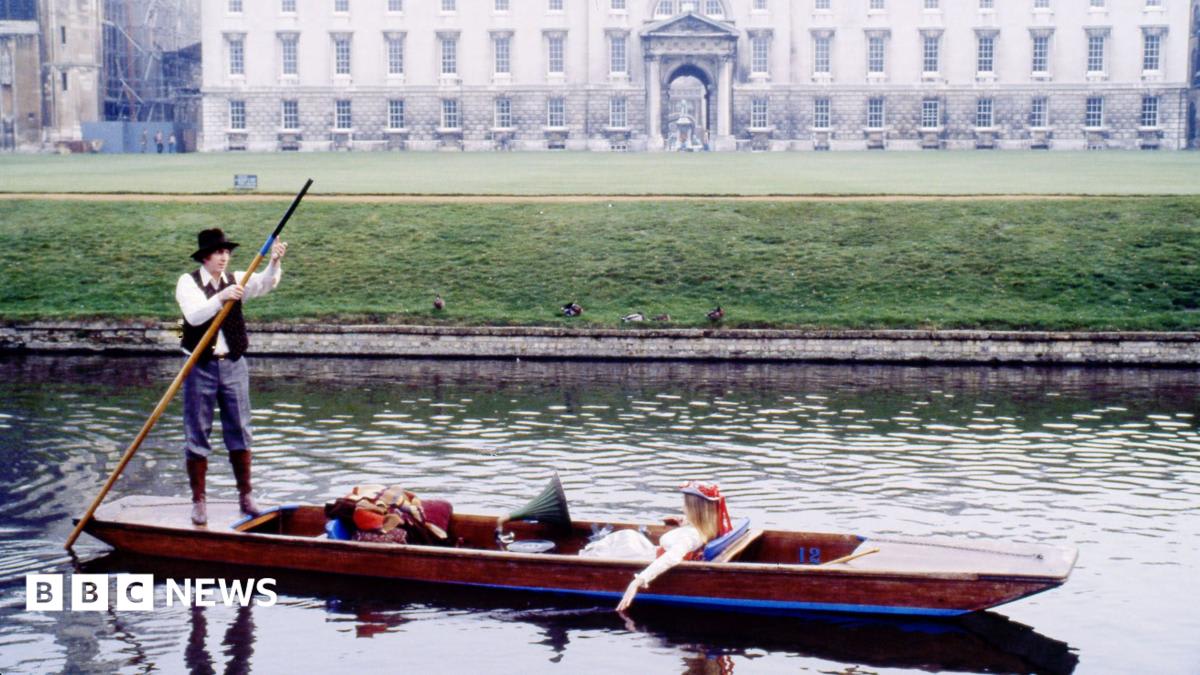
A new BBC documentary sheds light on the troubled 1979 production of the Doctor Who serial 'Shada', written by Douglas Adams. The project faced significant on-set difficulties in Cambridge, including Tom Baker's repeated struggles with punting on the River Cam.
The Lost Legacy of Shada: A Cambridge Production Saga
For over sixty years, Doctor Who has maintained its status as a cornerstone of British science fiction, traversing the complexities of time and space. Yet, the show's extensive history is punctuated by moments of creative ambition that were famously cut short. One of the most notorious examples is the 1979 serial titled Shada, a production that holds a unique place in television lore due to its association with the legendary author Douglas Adams.
The Intersection of Sci-Fi and Academia
In 1979, the Doctor Who production team ventured to the historic city of Cambridge to capture the intellectual and atmospheric backdrop required for Adams' script. The decision to film on location was intended to lend an air of authenticity to the narrative, which featured Tom Baker in his iconic portrayal of the Fourth Doctor. However, the blending of high-concept science fiction with the traditional, often rigid environment of the university city proved to be a logistical challenge.
Challenges on the River Cam
Recent insights shared in the BBC Sounds documentary Doctor Who: Lost in Cambridge have provided a granular look at the difficulties faced during that shoot. Marcus Hearn, editor of Doctor Who Magazine, recounted anecdotes passed down from his father, a porter at Clare College. These accounts highlight the physical comedy that occurred behind the scenes, specifically Tom Baker’s repeated failures to master the art of punting—a traditional method of navigating the River Cam. The resulting falls into the water necessitated direct intervention from college staff, who were tasked with providing the lead actor with blankets and brandy to stave off the chill.
The Impact of Production Disruptions
While these anecdotes add a layer of human charm to the history of the show, they also illustrate the precarious nature of television production in the late 1970s. The 'Shada' project was ultimately left unfinished, serving as a reminder of how external factors, such as location logistics and production constraints, can derail even the most imaginative scripts. The fact that these stories are only now being fully explored in documentary form speaks to the enduring fan interest in the 'lost' elements of the franchise.
Broader Implications for Television History
This narrative highlights the profound influence of Douglas Adams, whose unique voice shaped the tone of Doctor Who during a pivotal era. The struggle to complete Shada remains a case study in the risks of location shooting during that period. By documenting these minor catastrophes, historians and fans alike gain a better understanding of the craftsmanship and sheer perseverance required to maintain a long-running series like Doctor Who under the pressures of a tight production schedule.
Conclusion
The story of Shada is more than just a footnote; it is a testament to the chaotic, often unscripted reality of creating iconic television. Through the lens of the BBC's latest documentary, we see that the legacy of Doctor Who is built not only on the episodes that aired but also on the ambitious, occasionally disastrous attempts to expand the show’s horizons in the heart of Cambridge.