The Daily Catch-Up: Sharad Pawar speculation, Sonam Wangchuk, India vs England
Source Entity
The Indian Express
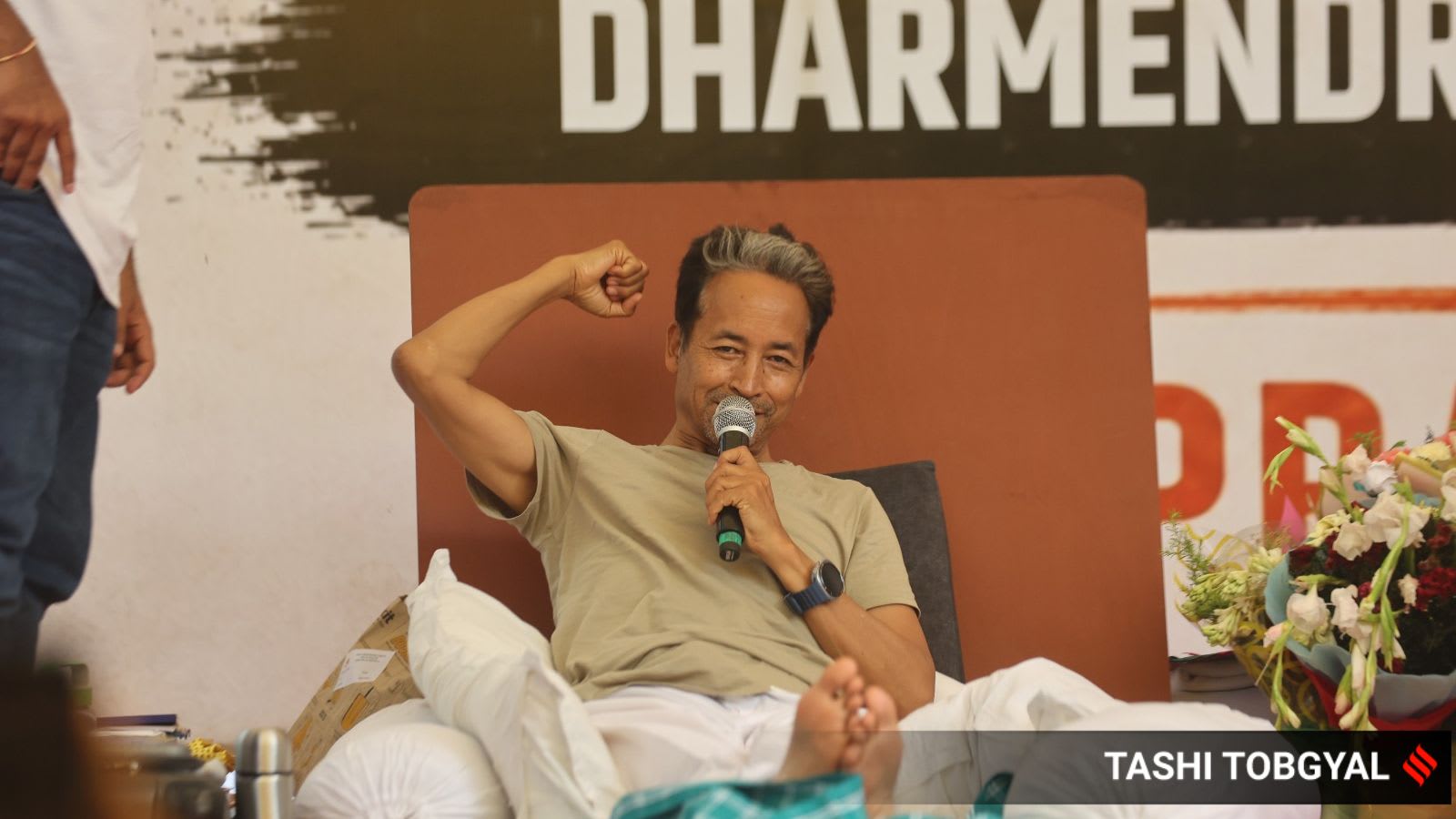
A comprehensive update on current Indian affairs, highlighting political speculation surrounding Sharad Pawar, activist Sonam Wangchuk's protests at Jantar Mantar, and the high-stakes India vs England cricket series.
Analysis of Current Indian Affairs: Politics, Activism, and Sport
The provided news snippet from 'The Daily Catch-Up' offers a condensed snapshot of the multifaceted nature of contemporary Indian public discourse. By grouping political speculation, grassroots environmental activism, and international sports, the report reflects a society where high-level power struggles and marginalized regional demands coexist alongside a unifying passion for cricket. This intersection demonstrates the diverse channels through which Indian citizens engage with authority and identity.
Grassroots Resistance and the Ladakh Struggle
One of the most poignant elements of the report is the mention of activist Sonam Wangchuk and the "Cockroach Janta Party (CJP)" protest at Jantar Mantar in New Delhi. The use of a satirical party name like the CJP is a strategic communication tool, likely designed to highlight the feeling of being 'crushed' or ignored by the central administration. Wangchuk's presence in the capital is deeply tied to the ongoing demands for Ladakh's inclusion in the Sixth Schedule of the Indian Constitution. This legal framework would provide the region with greater autonomy to protect its fragile Himalayan ecology and indigenous cultural identity from unchecked industrialization and administrative neglect.
Political Maneuvering in Maharashtra
The report also touches upon the speculation surrounding Sharad Pawar, a veteran strategist and a central figure in Maharashtra's political landscape. The mention of "speculation" underscores the volatile nature of state politics in India, where alliances are fluid and party loyalty is often contested. As the leader of a significant faction of the Nationalist Congress Party (NCP), Pawar's moves are critical in determining the stability of the state government. The broader implication here is the ongoing tension between established political dynasties and the shifting tides of electoral coalitions, which continues to define the power dynamics of Western India.
The Cultural Weight of India vs England
Interspersed with these political tensions is the sporting narrative of India vs England. In the Indian context, cricket is not merely a game but a significant cultural event that can temporarily bridge political and social divides. A series against a traditional powerhouse like England serves as a benchmark for national prestige and athletic progression. The psychological impact of such matches often mirrors the national mood, providing a sense of collective achievement or shared disappointment that transcends the daily grind of political instability and social protest.
Synthesis: The Duality of Indian Public Life
The juxtaposition of these three stories reveals a striking duality in Indian public life. On one hand, there is the top-down approach to power seen in the strategic calculations of Sharad Pawar; on the other, there is the bottom-up approach to governance represented by Sonam Wangchuk's protests. While the political elite negotiate in closed rooms, activists bring their grievances to the public square of Jantar Mantar. The cricket match acts as a neutral ground, a shared space where the nation's focus converges, regardless of political affiliation or regional identity.
Conclusion and Future Outlook
In summary, the events highlighted in 'The Daily Catch-Up' illustrate a nation in a state of constant negotiation—negotiating for constitutional rights in Ladakh, negotiating for political survival in Maharashtra, and negotiating for sporting dominance on the pitch. Moving forward, the resolution of Wangchuk's demands and the outcome of the political speculation surrounding Pawar will likely dictate the stability of their respective regions. Meanwhile, the India-England series will continue to provide the emotional cadence for the general public, reinforcing the role of sport as a critical pillar of Indian social cohesion.