Dead monkey contaminates hostel water tank at Guwahati college; 43 students fall ill
Source Entity
MUKUT DAS
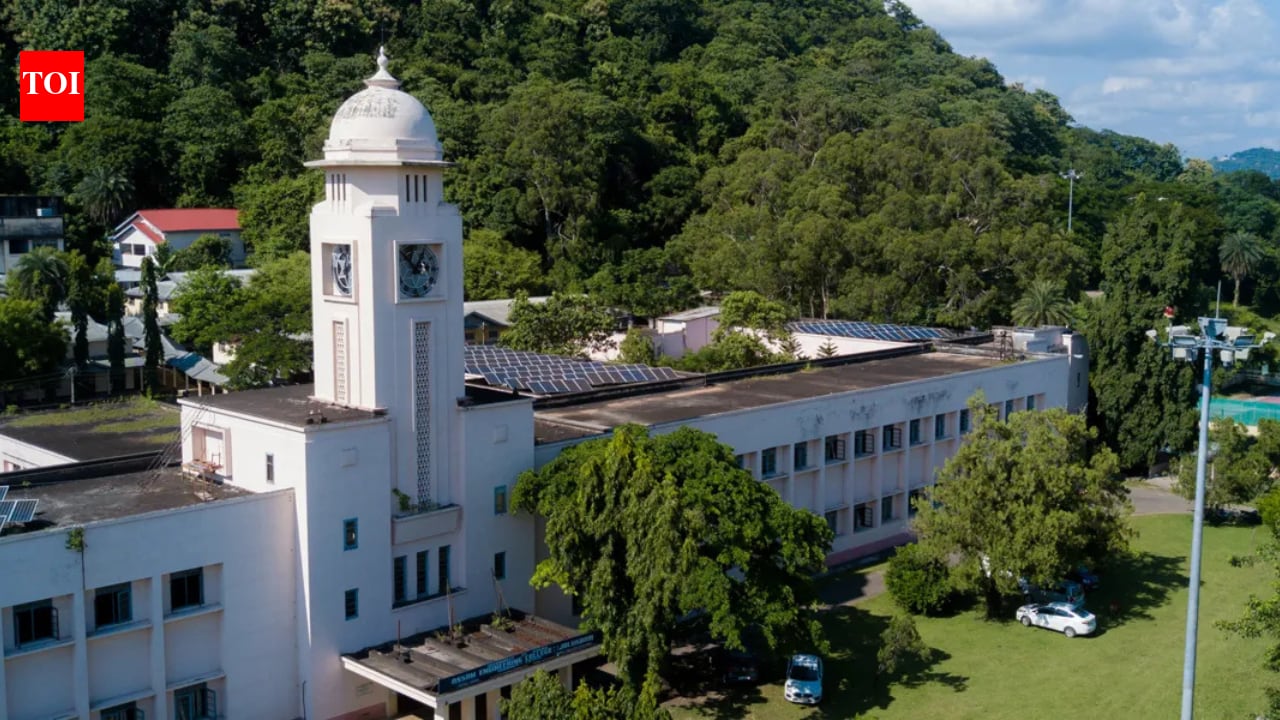
Forty-three to fifty-four students at Assam Engineering College in Guwahati fell ill after consuming water contaminated by a monkey carcass found in a hostel tank. The college administration has initiated cleaning protocols and relocated affected students to ensure safety.
Health Crisis at Assam Engineering College: A Case of Infrastructure Failure
The Incident Overview
A disturbing public health incident occurred at the Assam Engineering College (AEC) in Guwahati, where a significant number of students—reported between 43 and 54 individuals—fell ill due to contaminated water. The source of the contamination was identified as a deceased monkey found inside an overhead water storage tank at Hostel No. 7. Students initially raised alarms after noticing a foul odor emanating from the water supply, followed by symptomatic reactions including vomiting and severe stomach aches.
Immediate Administrative Response
In the wake of the discovery, the college administration, led by Principal Dr. Amrita Ganguly, moved to address the immediate health risks. The facility was subjected to rigorous cleaning and disinfection processes to eliminate pathogens introduced by the decomposing carcass. Furthermore, to mitigate further exposure and ensure student welfare, the administration relocated those residing in the affected hostel to alternative living quarters while the water system underwent necessary sanitation.
The Recurring Monkey Menace
This event highlights a broader, persistent issue regarding the 'monkey menace' on the AEC campus. The proximity of the campus to wildlife habitats has long created friction between the local primate population and student infrastructure. The fact that an animal was able to access an overhead tank suggests significant vulnerabilities in the design or maintenance of the college's water storage systems, which are currently failing to prevent wildlife intrusion.
Broader Public Health Implications
Waterborne illnesses remain a critical concern in institutional settings. When a primary water source is compromised by biological decay, it introduces a cocktail of bacteria and potential pathogens that can rapidly affect a large population. The incident at AEC serves as a stark reminder of the necessity for regular inspections, sealed tank covers, and robust maintenance schedules in public institutions, particularly in regions where wildlife interference is a documented environmental factor.
Future Preventative Measures
Moving forward, the AEC administration faces the challenge of fortifying campus infrastructure to prevent a recurrence. This includes not only repairing existing tanks but potentially installing wildlife-proof covers and implementing a more stringent monitoring protocol for water quality. As academic institutions prioritize student safety, this incident will likely necessitate a comprehensive audit of all campus utilities to ensure that basic living standards are not compromised by environmental or structural failures.
Conclusion
While the students affected by the contaminated water are receiving the necessary medical attention, the incident at Assam Engineering College underscores the fragility of campus infrastructure. By addressing the specific failure points in their water storage systems and tackling the ongoing issue of wildlife intrusion, the college can work toward restoring a safe and healthy environment for its student body.