Delhi’s air cleaner, but government braces for second pollution spell this month, CM Rekha Gupta says step up checks
Source Entity
Alok Singh, Sophiya Mathew
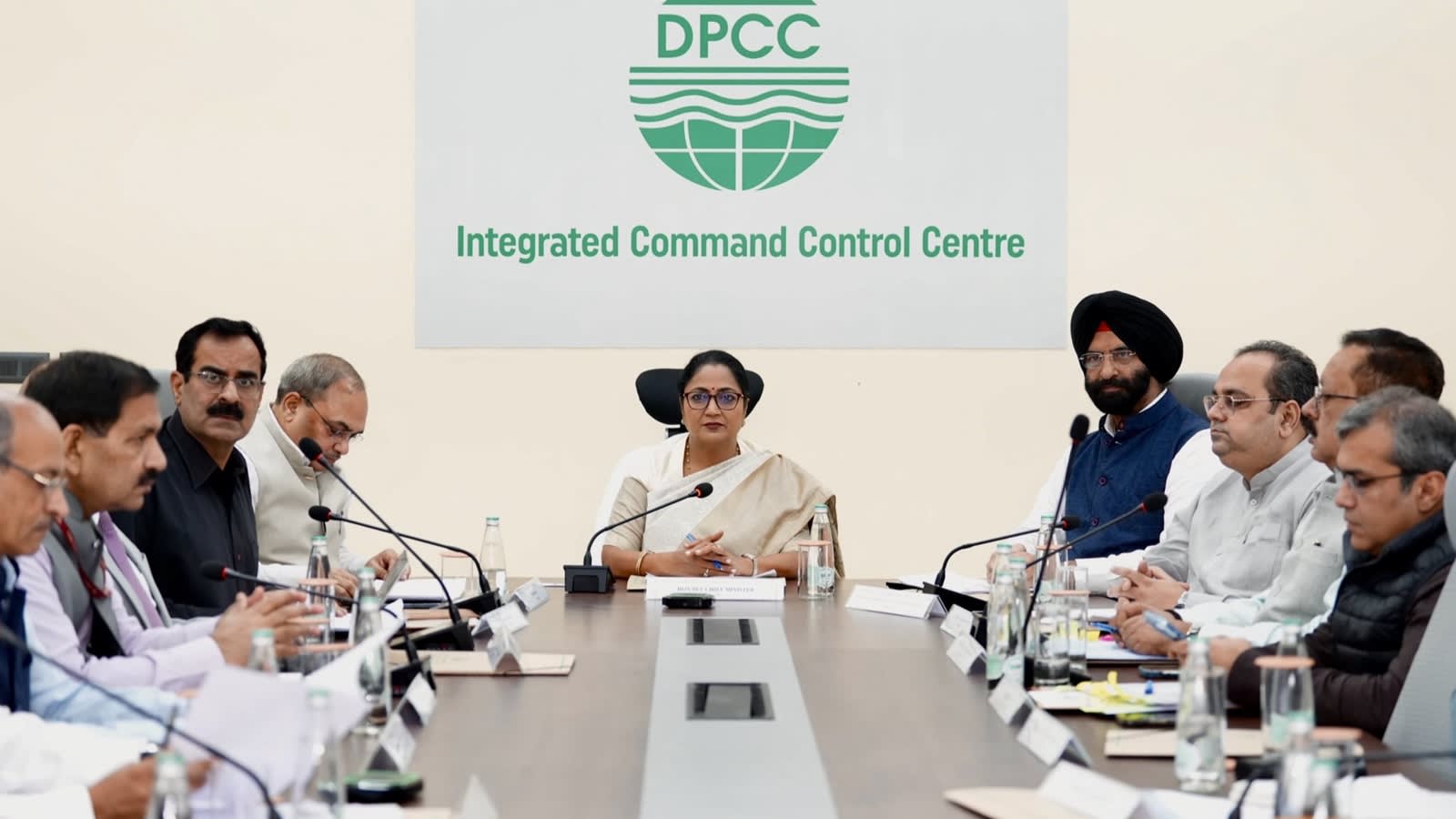
Delhi Chief Minister Rekha Gupta has ordered intensified enforcement and dust-control measures as the city anticipates a second wave of severe air pollution. While current air quality remains in the 'Poor' category, authorities are preparing for a predicted shift to 'Very Poor' levels by the weekend.
Delhi Braces for Escalating Air Quality Crisis
Delhi’s persistent battle with seasonal air pollution has entered a critical phase, with current data showing a fluctuating Air Quality Index (AQI) of 232, categorized as 'Poor.' While the city has seen minor relief, the Delhi government, led by Chief Minister Rekha Gupta, is actively preparing for a second, more severe pollution spell expected to hit the capital within the month. This proactive stance reflects the government's recognition of the recurring nature of Delhi’s winter smog cycles.
Intensified Enforcement and Administrative Directives
In response to the looming threat, Chief Minister Rekha Gupta has issued direct orders to department heads to ramp up field inspections and strengthen enforcement protocols. The government's strategy focuses heavily on the strict implementation of dust-control measures at construction sites and industrial areas. By tightening oversight, the administration aims to mitigate the particulate matter load that typically spikes during periods of low wind speed and adverse meteorological conditions.
Sources of Pollution: A Data-Driven Perspective
According to the Indian Institute of Tropical Meteorology (IITM), the sources of Delhi’s pollution are multifaceted. Vehicles currently contribute to 25% of the PM2.5 levels, while biomass burning—including stubble burning and the use of fuelwood—accounts for 24%. These figures underscore the challenge of managing pollution in a sprawling urban environment where both vehicular density and seasonal agricultural practices converge to degrade air quality.
Regional Impact and Meteorological Projections
The impact is not limited to the national capital; neighboring satellite cities like Gurugram, currently at an AQI of 258, and Noida, at 214, are also experiencing the brunt of this poor air quality. Meteorological projections indicate that the situation may deteriorate further, with the AQI expected to slide into the 'Very Poor' category by Friday. This trend is likely to persist through the weekend, necessitating heightened vigilance from both residents and government bodies.
Broader Implications and Future Trends
The recurring nature of these pollution cycles poses a significant public health challenge, forcing the government to shift from reactive policy-making to sustained, long-term environmental management. As the capital prepares for the upcoming weekend, the focus remains on curbing local emission sources to prevent a total collapse into hazardous air quality. The effectiveness of these intensified field inspections will be the primary indicator of the government’s ability to manage the anticipated second wave effectively.
Concluding Summary
Ultimately, Delhi's air quality crisis remains a complex convergence of vehicular emissions, seasonal biomass burning, and unfavorable atmospheric conditions. While the current 'Poor' status offers a slight reprieve, the government's preparation for a 'Very Poor' forecast reflects a serious commitment to mitigating the health risks posed to the population. Continued enforcement and strict adherence to dust-control guidelines will be essential in navigating the volatile environmental conditions expected in the coming days.