GRAP III Curbs Revoked In Delhi-NCR As Air Quality Improves
Source Entity
NDTV News Search Records Found 1000
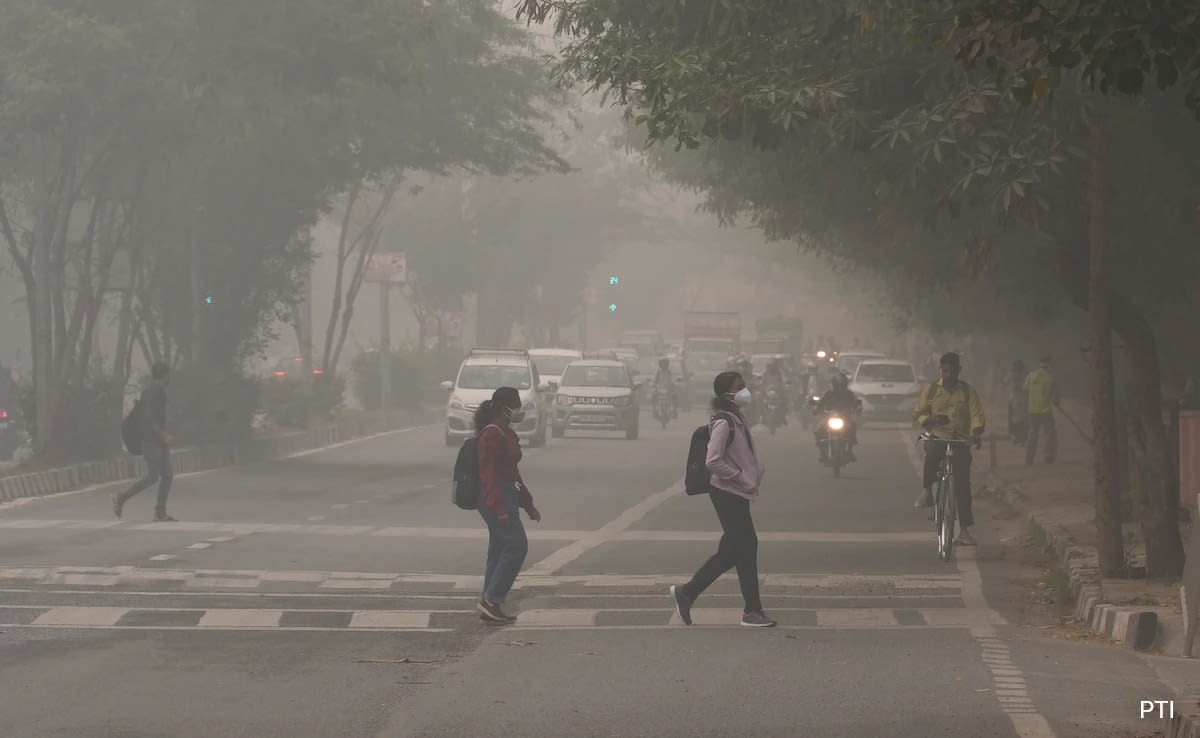
Delhi has seen an improvement in air quality this November, avoiding 'severe' category days for the first half of the month. While temperatures have dropped to seasonal lows, authorities have revoked Stage-III restrictions under the Graded Response Action Plan due to the AQI improvement.
Delhi's Air Quality and Climate Shift: A Mid-November Assessment
For the first time since 2015, Delhi has successfully avoided 'severe' air quality index (AQI) days during the critical period of November 1 to 15. This window is historically the most volatile for the national capital, often characterized by heavy smog and hazardous breathing conditions. The data indicates that average AQI levels this year were significantly lower than the previous year and tracked closely with 2022 figures, signaling a potential shift in the efficacy of pollution management strategies.
The Role of Meteorological Conditions and Policy
The absence of severe pollution days is largely attributed to a combination of favorable meteorological conditions and the stringent enforcement of the Graded Response Action Plan (GRAP). By systematically categorizing and limiting industrial, construction, and vehicular emissions, the Commission for Air Quality Management (CAQM) has created a regulatory buffer. The recent decision to revoke Stage-III restrictions—following a drop in the AQI to 204—demonstrates the responsiveness of these policy frameworks to real-time air quality fluctuations.
Balancing Restrictions and Development
While Stage-III curbs have been lifted, the persistence of Stage-I and Stage-II measures underscores the ongoing nature of Delhi's battle against pollution. These continued restrictions, which include specific limitations on construction activities with allowances for essential infrastructure, represent a delicate balance between urban development and public health. Maintaining these measures ensures that the recent improvements in air quality are not immediately reversed by a surge in localized emission sources.
The Intersection of Cold Weather and Air Quality
As the city navigates its environmental challenges, it is also experiencing a notable shift in weather patterns. Delhi recently recorded its coldest morning of the season, with the minimum temperature at Safdarjung dipping to 11.6°C. Other stations, such as Palam and Ayanagar, reported similar dips, reflecting a broader cooling trend across the region. This drop in temperature often coincides with stagnant air conditions that can trap pollutants; however, the lack of 'severe' AQI days suggests that current mitigation efforts are managing these meteorological risks more effectively than in previous years.
Future Trends and Outlook
The trajectory for the remainder of the winter season remains dependent on the interplay between cooling temperatures, which typically exacerbate pollution, and the rigorous application of the remaining GRAP stages. If the city can maintain its current trajectory of avoiding 'severe' days, it could mark a turning point in Delhi’s long-standing struggle with seasonal smog. The long-term success of these interventions will likely depend on the continued coordination between regional meteorological monitoring and the enforcement of industrial and construction regulations.
Multiple Citing Sources
Verification Required?