Delhi wakes up to 'poor' air, AQI at 249
Source Entity
SIDDHI DHARMADHIKARI
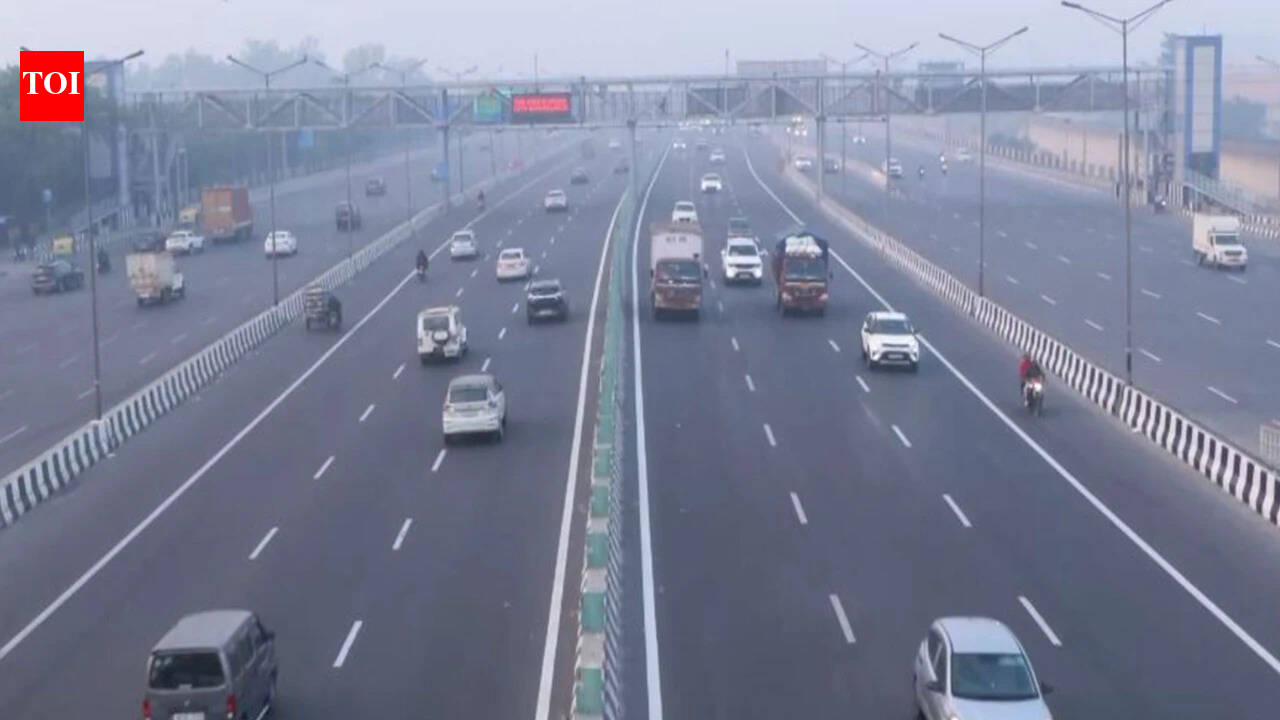
Delhi's air quality has slipped into the 'poor' category with an overall AQI of 249, driven primarily by PM2.5 particulate matter. Calm wind conditions are hindering pollutant dispersion, prompting ongoing oversight by the Commission for Air Quality Management.
Delhi Faces Persistent Air Quality Challenges
Delhi’s atmosphere remains a significant public health concern as the city grapples with an overall Air Quality Index (AQI) of 249. This index, which categorizes the air as 'poor,' underscores a recurring environmental crisis that impacts millions of residents. The data provided by the Central Pollution Control Board (CPCB) highlights a widespread issue, with numerous monitoring stations across the national capital reporting alarming levels of pollutants, signaling that the degradation of air quality is not isolated to a single locality but is a systemic challenge facing the entire metropolitan region.
The Dominance of PM2.5
A critical component of this pollution crisis is the prevalence of particulate matter, specifically PM2.5. Recent data indicates that at 7 am, PM2.5 was the dominant pollutant at 50 out of 58 monitoring stations. These microscopic particles are particularly hazardous due to their ability to penetrate deep into the respiratory system, posing long-term health risks. While PM10 remains a concern in certain pockets, the overwhelming presence of PM2.5 illustrates the complexity of the pollutants currently suspended in Delhi’s air, which are largely influenced by local emission sources and stagnant meteorological conditions.
Meteorological Obstacles to Dispersion
The persistence of 'poor' air quality is exacerbated by unfavorable weather patterns. Meteorological experts have noted that calm wind conditions are currently hindering the effective dispersion of pollutants, trapping them close to the ground. When winds are weak, the natural ventilation of the city is stifled, causing a buildup of hazardous particulates. While the India Meteorological Department has predicted clear skies, the anticipated mist later in the week may further complicate air quality, as moisture can often trap pollutants, leading to a rise in localized AQI levels.
Hotspots and Regional Variability
The distribution of pollution is uneven, with specific areas recording significantly higher levels of toxicity. Punjabi Bagh has emerged as a primary hotspot, consistently reporting some of the highest AQI readings, reaching as high as 282. Other areas such as Bawana (273), Chandni Chowk (271), and NSUT Jaffarpur (346) emphasize that certain neighborhoods are bearing a heavier burden of air pollution. This variability necessitates localized interventions and a more granular approach to pollution management, as residents in these high-AQI zones face more immediate health threats.
Regulatory Oversight and Future Outlook
In response to these conditions, the Commission for Air Quality Management (CAQM) is actively assessing the effectiveness of existing pollution control measures. This oversight role is vital, as the commission must coordinate efforts not only within Delhi but also across neighboring states to address the transboundary nature of air pollution. As the city moves forward, the focus will likely remain on enforcing emission standards and managing dust and vehicular exhaust. The long-term trend suggests that unless significant meteorological shifts occur or aggressive mitigation strategies are implemented, Delhi will continue to face high AQI levels during periods of low wind speed.