No COP31 cover decision leaves India’s equity, finance demands unresolved
Source Entity
Latest News: Todays Latest News Headlines from India & World | Hindustan Times
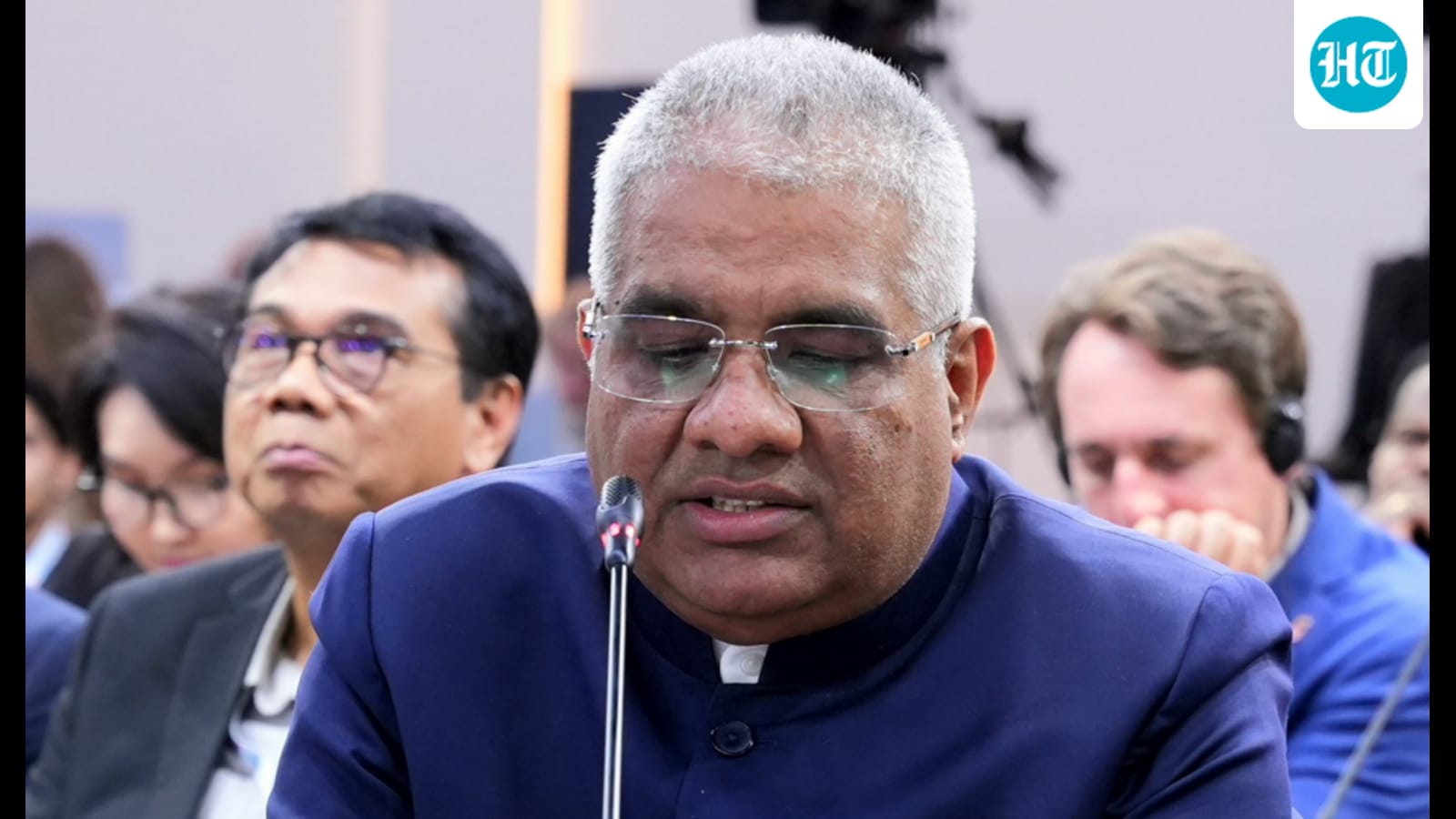
India's Environment Minister Bhupender Yadav affirmed that the nation remains committed to climate action despite the lack of a consensus 'cover decision' at COP31. India continues to advocate for equitable climate finance and technology transfers to support developing nations' energy transitions.
India's Stance on Climate Action Following COP31
At the conclusion of COP31 in Antalya, Turkey, the international community faced a significant hurdle as participating nations failed to reach a consensus on an overarching 'cover decision.' Despite this diplomatic impasse, Union Environment Minister Bhupender Yadav has signaled that India’s commitment to its climate objectives remains steadfast. By framing climate action as an ongoing process rather than one tethered solely to conference outcomes, India has effectively decoupled its national energy trajectory from the immediate failure of multilateral document adoption.
The Pillars of Equity and Climate Justice
Central to India's position at the summit was the insistence on 'climate justice' and the principle of Common But Differentiated Responsibilities and Respective Capabilities (CBDR-RC). Minister Yadav emphasized that energy transitions cannot be forced into a one-size-fits-all model; rather, they must be nationally determined to ensure they remain just and equitable. This approach reflects India’s broader geopolitical strategy of protecting the development space for the Global South, ensuring that the burden of emission reductions does not disproportionately hinder economic growth in developing nations.
Finance as the Catalyst for Transition
India has been vocal in its demand that climate finance must be predominantly public and concessional. The rationale behind this is clear: developing countries should not be burdened with additional debt while attempting to green their economies. By calling for finance, technology, and capacity-building to be treated as essential 'means of implementation,' India is challenging the current global climate finance architecture, which often relies too heavily on private capital that may not prioritize the socio-economic realities of developing nations.
Collaborative Diplomacy and Future Trends
Throughout the summit, India worked closely with the BASIC group (Brazil, South Africa, India, and China) and the Like-Minded Developing Countries (LMDC) bloc. This collaborative diplomacy underscores India's role as a bridge-builder in international climate negotiations. By standing in solidarity with these nations, India ensures that the concerns of emerging economies remain at the forefront of the global agenda, even when consensus proves elusive.
Advancements in Renewable Energy
Beyond the diplomatic rhetoric, India’s domestic achievements serve as the foundation for its international credibility. The Minister highlighted substantial progress in solar power and renewable energy infrastructure. These domestic successes are not merely internal milestones; they are intended to serve as a blueprint for other developing nations, showcasing how rapid, large-scale energy transitions can be executed while maintaining a focus on national security and energy independence.
Conclusion: Moving Beyond the Impasse
Ultimately, the lack of a COP31 cover decision acts as a reminder of the complexities inherent in global climate governance. However, as Minister Yadav noted, the absence of a formal document does not imply a pause in action. India’s strategy moving forward appears to be one of 'persistent engagement'—continuing to push for structural changes in climate finance while aggressively pursuing its own renewable energy targets, thereby proving that climate leadership is demonstrated through action as much as through negotiation.
Verification Required?