One killed in fire at Delhi’s Lajpat Nagar building, police probe if welding work caused it
Source Entity
Sakshi Chand
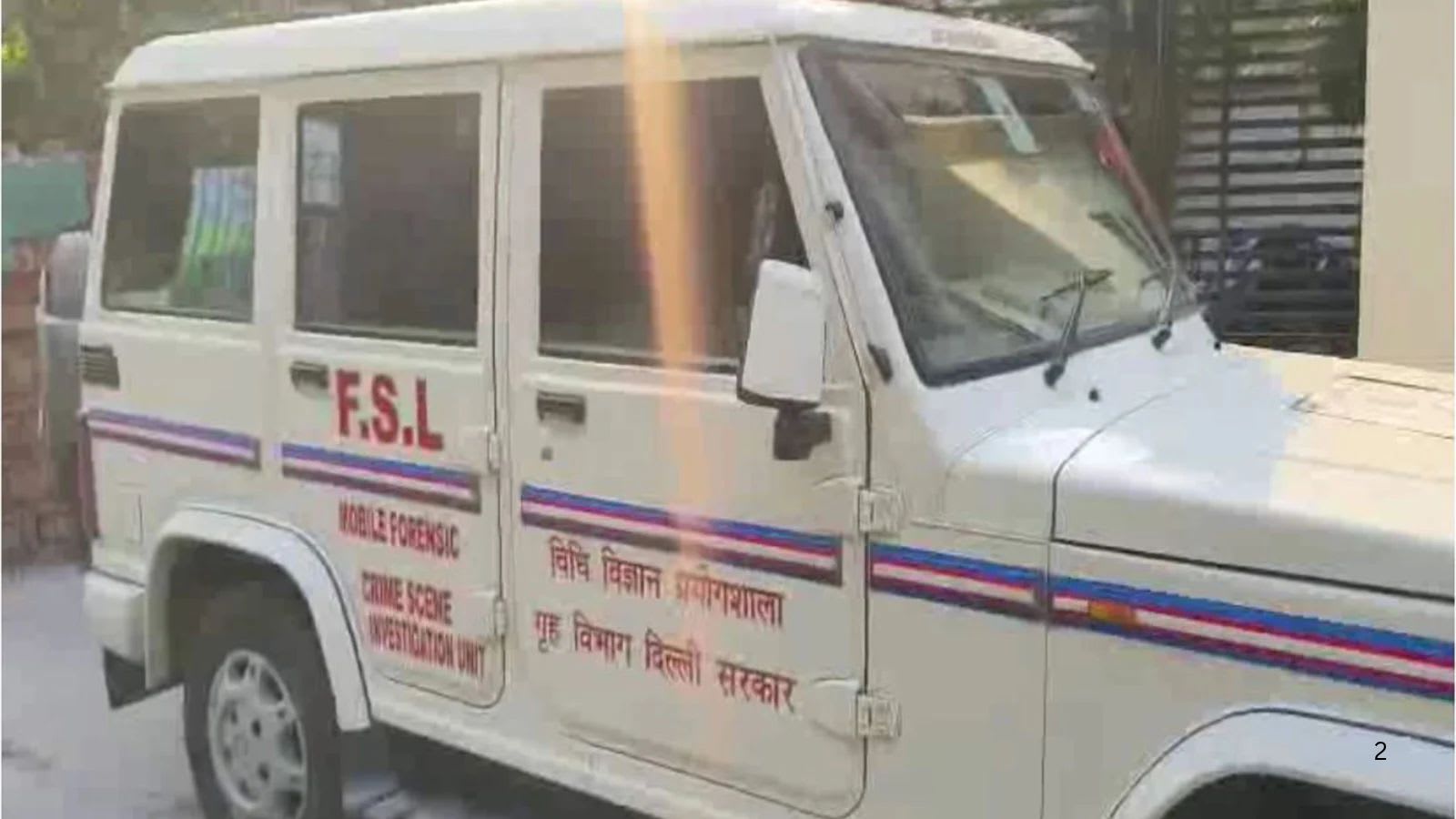
Two separate building-related tragedies in Delhi have resulted in multiple fatalities and subsequent police investigations. Authorities are examining issues of structural neglect in Vivek Vihar and potential safety violations during welding work in Lajpat Nagar.
Structural Negligence and Safety Failures in Delhi
Delhi has recently faced a series of tragic incidents involving building safety, highlighting critical gaps in structural maintenance and regulatory oversight. The collapse of an aging building in East Delhi’s Vivek Vihar, which claimed the lives of a three-year-old child and a 35-year-old man, has led to the arrest of the property’s co-owners, Veer Singh and Surendar Singh. This incident underscores the lethal consequences of ignoring structural decay, as residents had reportedly warned the owners about visible cracks in the building long before the collapse.
The Legal and Regulatory Quagmire
The investigation into the Vivek Vihar collapse has taken a complex turn with the Municipal Corporation of Delhi (MCD) identifying the site as being situated on 'encroached' Railways land. This detail points to a broader systemic issue in urban planning, where unauthorized structures—or those built on disputed land—often bypass essential safety inspections and building code regulations. When property owners operate outside the purview of municipal safety standards, the residents become vulnerable to building failure, as there is no formal mechanism to enforce necessary repairs or evacuations.
Industrial Risks in Residential Zones
Simultaneously, a separate tragedy occurred in a four-storey mixed-use building in Lajpat Nagar-II, where a fire resulted in one fatality and an injury. Police are currently investigating whether welding work being conducted in the basement—where a business known as Milana Craft Works operates—served as the ignition point for the blaze. This incident highlights the inherent dangers of mixing commercial industrial activity, such as welding, with residential living spaces without adequate fire safety protocols or proper zoning enforcement.
The Pattern of Preventable Tragedies
Both the Vivek Vihar collapse and the Lajpat Nagar fire point to a recurring theme: the intersection of human negligence and inadequate safety enforcement. In both cases, the presence of occupants—ranging from relatives of the owner to residential tenants—indicates that the lack of oversight directly endangers lives. Whether through the failure to address structural cracks or the potential hazards introduced by localized industrial work, the lack of rigorous safety standards has proven fatal.
Future Trends and Necessary Interventions
To mitigate such risks in the future, municipal authorities must move toward more stringent building audits, particularly for older structures and those in high-density areas. The identification of 'encroached' land suggests that municipal bodies need to proactively address illegal construction before it reaches a state of terminal disrepair. Furthermore, the enforcement of fire safety norms in mixed-use buildings must become a priority to prevent industrial activities from turning residential zones into death traps.
Conclusion
These recent events in Delhi serve as a somber reminder of the life-or-death importance of property management and safety regulation. As police investigations continue into the culpability of the building owners and the origin of the fire, the city faces a pressing need to overhaul its approach to building safety, ensuring that both property owners and municipal regulators are held accountable for the environments in which citizens reside.
Multiple Citing Sources