Nuclear risks, supply of petroleum and strategic security: What China, Russia and US' 'peace declaration' says
Source Entity
Latest News: Todays Latest News Headlines from India & World | Hindustan Times
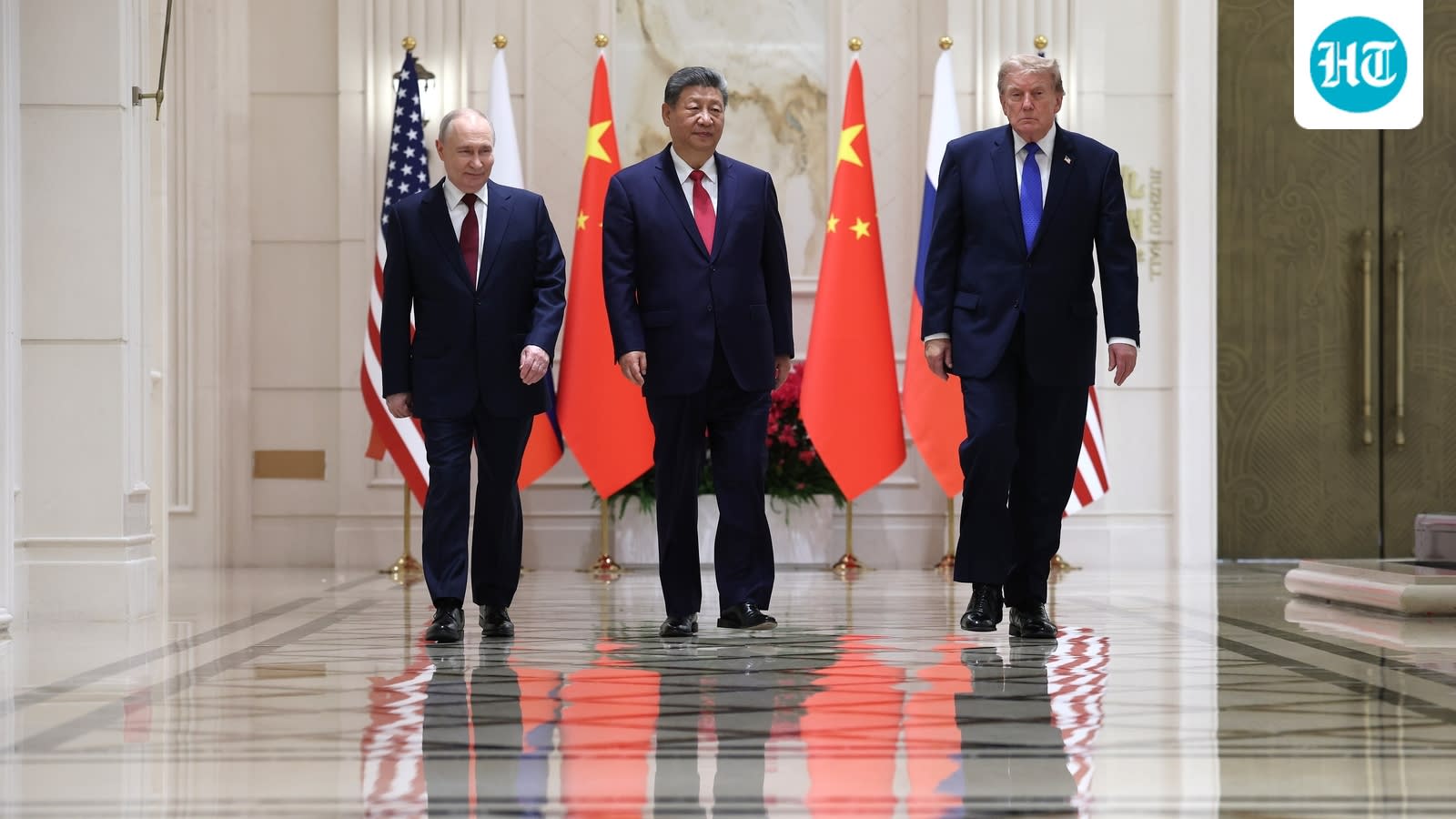
US President Donald Trump, Xi Jinping, and Vladimir Putin are convening in Shenzhen during the APEC summit to address nuclear arms control and ongoing global conflicts. The meeting aims to navigate complex trade and technology rivalries while seeking diplomatic solutions to the wars in Ukraine and Iran.
A New Geopolitical Axis: The Shenzhen Trilateral Summit
The gathering of US President Donald Trump, Chinese President Xi Jinping, and Russian President Vladimir Putin in Shenzhen represents a potential watershed moment in contemporary international relations. By convening on the sidelines of the APEC Economic Leaders Summit, these three leaders are attempting to address a trifecta of global instability: nuclear proliferation, active regional wars, and intensifying technological competition. This meeting signals a departure from traditional multilateral forums, suggesting a shift toward a 'great power' style of diplomacy reminiscent of historical power-brokering.
The Nuclear Conundrum
At the forefront of the agenda is the daunting challenge of nuclear arms control. President Trump has explicitly identified the creation of a three-way dialogue on nuclear weapons as a top priority. Historically, arms control was largely a bilateral endeavor between Washington and Moscow; however, the rapid modernization of China's nuclear arsenal necessitates a shift toward a tripartite framework. Whether these three powers can find common ground remains uncertain, as the strategic interests of each nation regarding deterrence and transparency are currently misaligned.
Navigating the Wars in Ukraine and Iran
Beyond nuclear security, the leaders are tasked with addressing the ongoing conflicts in Ukraine and Iran. The Iran war, currently in its ninth month, continues to exert significant pressure on global energy markets and regional stability. Simultaneously, the Russia-Ukraine war remains a primary driver of geopolitical friction. The Shenzhen meeting serves as a high-stakes arena where personal relationships between the leaders may be tested against the rigid strategic interests of their respective nations, as they seek to negotiate potential de-escalation pathways.
Economic and Technological Rivalry
Compounding the security agenda are the persistent trade tensions and the accelerating race for artificial intelligence dominance. Washington’s recent scrutiny of Nvidia’s chip sales to China exemplifies the tech-centric nature of modern diplomacy. These economic barriers, combined with rising regional tensions—such as the escalation between China and Japan—create a volatile backdrop for the summit. The ability of the three leaders to decouple these economic rivalries from security negotiations will be critical to the success of the summit.
Implications for the Global Order
This summit has drawn comparisons to the historic Yalta Conference, suggesting that we may be witnessing an attempt to redefine the rules-based international order. As the global landscape becomes increasingly multipolar, the ability of these three powers to coordinate on existential threats will define the trajectory of the next decade. The Shenzhen meeting is not merely a diplomatic ritual; it is a pragmatic attempt to manage the friction between competing systems in an era of acute geopolitical transition.
Conclusion: A Fragile Path Forward
Ultimately, the Shenzhen summit reflects the gravity of the current global climate. While the dialogue marks a positive step toward conflict resolution, the path forward remains fraught with historical animosities and diverging national priorities. The world is watching to see if this high-level engagement can translate into tangible policy shifts that stabilize the international system or if it will merely highlight the deep-seated divisions that currently define it.
Multiple Citing Sources
Verification Required?