To tackle patient load, Delhi Cabinet nod for 250-bed trauma block at GTB hospital
Source Entity
Devansh Mittal
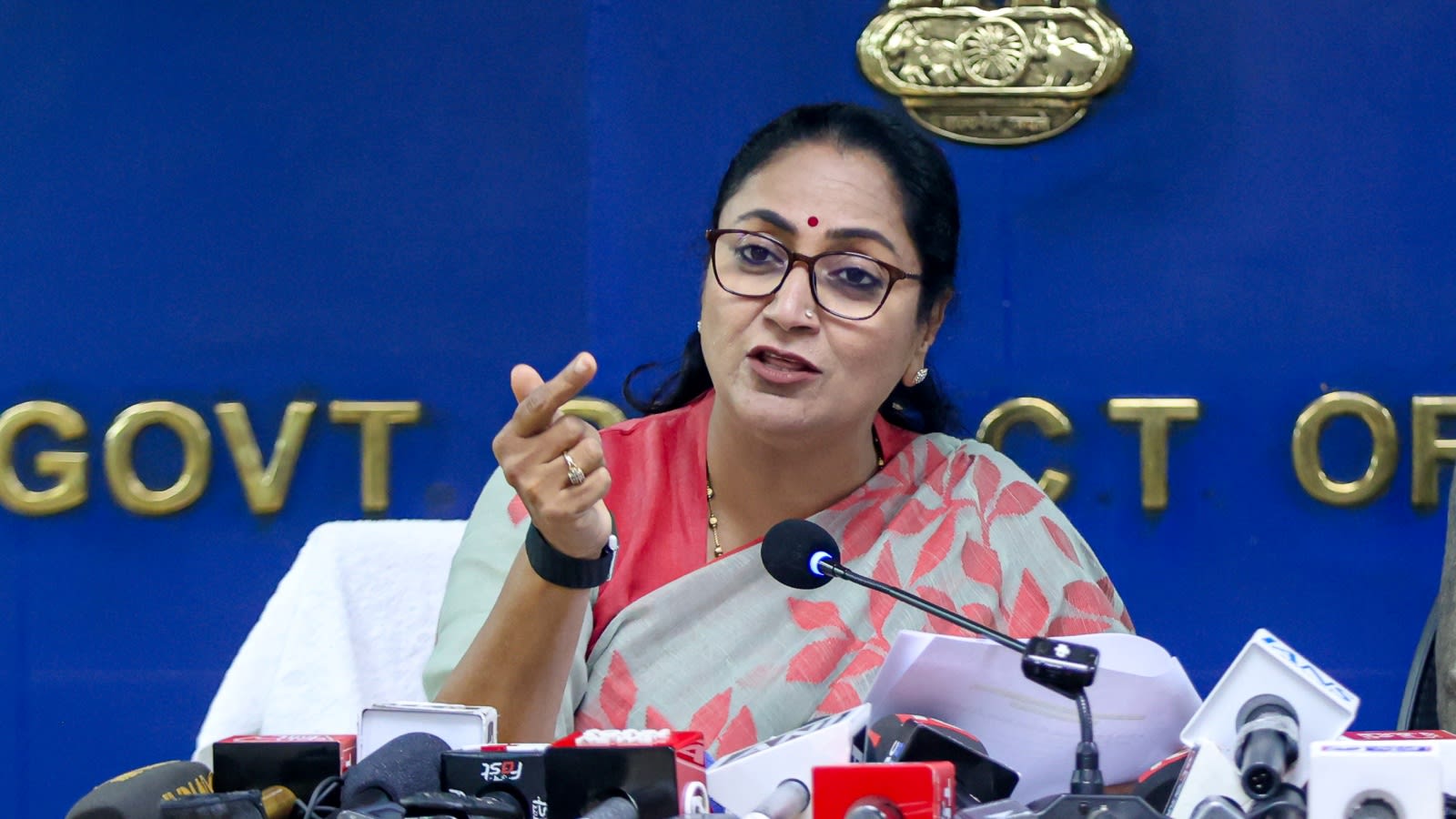
The Delhi Cabinet has approved a 250-bed trauma block at GTB Hospital to alleviate chronic patient overcrowding in East Delhi. The project, costing Rs 244.87 crore, will be executed under the Centre's Pradhan Mantri Swasthya Suraksha Yojana.
Strengthening Healthcare Infrastructure in East Delhi
The Delhi Cabinet’s recent approval of a 250-bed super-speciality-cum-trauma block at Guru Teg Bahadur (GTB) Hospital represents a strategic intervention to address the critical healthcare deficit in East Delhi. As the primary tertiary care facility for the region, GTB Hospital has long grappled with extreme patient volumes, frequently operating at full capacity. By expanding the infrastructure within the existing Dilshad Garden campus, the government aims to mitigate the strain on current resources while providing specialized emergency care that the locality has historically lacked.
Financial Framework and Collaborative Governance
This infrastructure expansion is set to be realized through a collaborative fiscal model, specifically under Phase-IV of the Pradhan Mantri Swasthya Suraksha Yojana (PMSSY). By leveraging central government support alongside state funding, the project reaches a total budgetary allocation of Rs 244.87 crore. This cost-sharing mechanism is essential for large-scale public health projects, ensuring that the burden of capital expenditure does not fall solely on the state exchequer, thereby facilitating faster implementation of critical health services.
Strategic Expansion Without Land Acquisition
One of the most pragmatic aspects of this development is the decision to construct the new block within the existing hospital campus. In a densely populated urban environment like Delhi, land acquisition is often the primary bottleneck for infrastructure projects, leading to years of litigation and delays. By optimizing current land usage, the administration bypasses these traditional hurdles, allowing for a more streamlined construction timeline and immediate integration with existing medical personnel and diagnostic support systems.
Addressing the Trauma Care Gap
Trauma care is a specialized field that requires immediate intervention, sophisticated imaging, and dedicated surgical theaters. Currently, the overcrowding at GTB Hospital likely creates significant wait times for trauma patients, which can lead to adverse clinical outcomes. The addition of a dedicated trauma block is not merely an increase in bed count; it is a qualitative shift toward specialized care, ensuring that emergency cases are triaged and managed with the urgency that trauma medicine demands.
Long-Term Implications for Public Health
Looking ahead, this expansion is poised to serve as a blueprint for how the Delhi government manages its public health assets. As the population of East Delhi continues to grow, the ability to scale specialized services without expanding the physical footprint of hospitals will become increasingly vital. If this project successfully reduces the patient load and improves recovery rates through specialized care, it may pave the way for similar upgrades in other under-resourced hospital clusters across the capital.
Conclusion
Ultimately, the approval of the new trauma block signifies a proactive shift in the capital's public health policy. By combining central financial support with efficient land management, the Delhi Cabinet is taking a necessary step toward stabilizing the healthcare landscape. While the construction phase will require rigorous oversight, the long-term impact promises a more resilient and responsive emergency care network for the residents of East Delhi.