'Taking us for a ride': HC pulls up Kejriwal, AAP leaders over posts against Delhi judge
Source Entity
VIVEK DUBEY
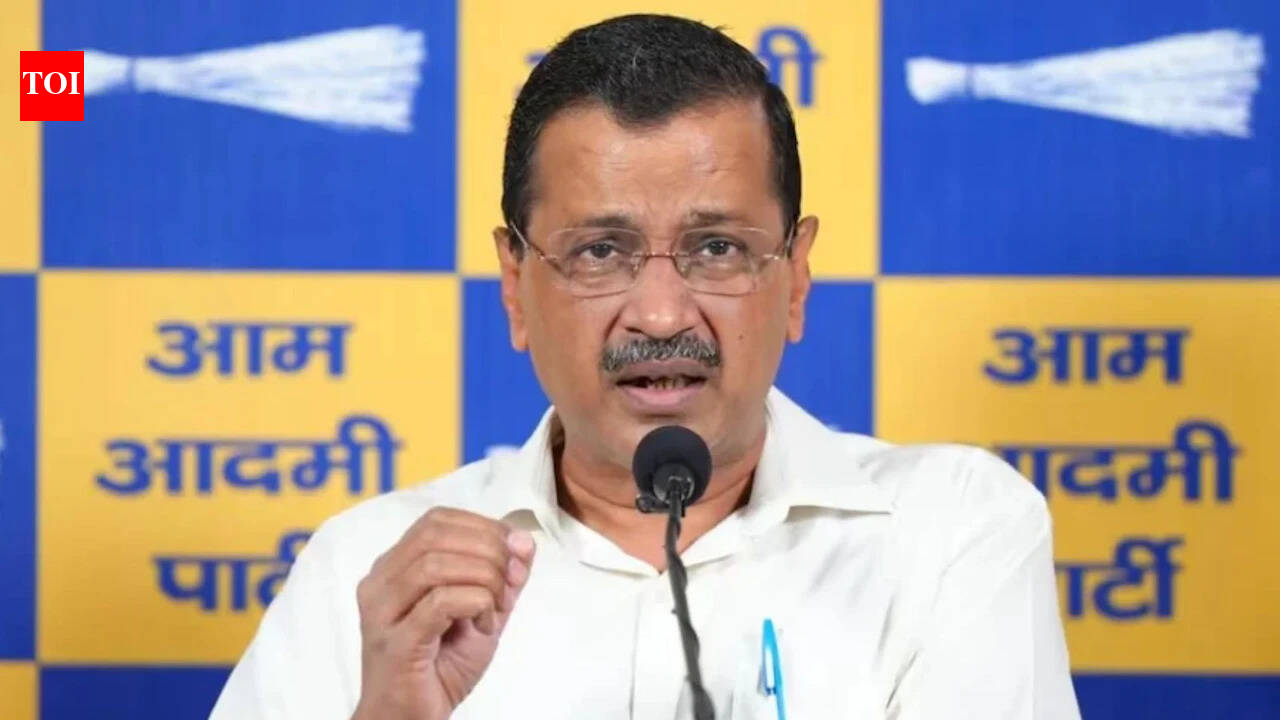
The Delhi High Court has granted Aam Aadmi Party leaders a final three-week deadline to respond to contempt proceedings regarding remarks made against Justice Swarana Kanta Sharma. Simultaneously, the Calcutta High Court has issued a show-cause notice to TMC leader Abhishek Banerjee for alleged contemptuous comments. Both cases highlight growing judicial scrutiny over public critiques of the judiciary by political figures.
Judicial Scrutiny: Contempt Proceedings Against Political Leaders
The judiciary in India has recently intensified its stance on public discourse concerning court proceedings, as evidenced by two high-profile contempt cases involving prominent political figures. In New Delhi, the Delhi High Court has granted a final three-week window to Aam Aadmi Party (AAP) leaders, including Arvind Kejriwal, Manish Sisodia, and Saurabh Bharadwaj, to file their responses to a suo motu criminal contempt case. This action follows their alleged "vilifying" social media posts directed at Justice Swarana Kanta Sharma in connection with the excise policy case.
The Delhi High Court's Stance
Justice Swarana Kanta Sharma initiated these proceedings on May 14, citing the need to protect the sanctity of judicial processes from public attacks. The court’s decision to issue a "final" warning after an initial four-week period underscores the judicial impatience with perceived delays. By stating that the right to respond will be closed if the deadline is missed, the court is emphasizing that procedural compliance is mandatory, even for high-ranking political officials. The court’s sharp remark that it feels like it is being "taken for a ride" reflects a broader frustration within the bench regarding the decorum expected of public representatives.
Expanding Scope: The Calcutta High Court Case
Simultaneously, the Calcutta High Court has issued a show-cause notice to Trinamool Congress (TMC) MP Abhishek Banerjee. This move mirrors the judicial sentiment seen in Delhi, as the court found that Banerjee’s public statements potentially interfere with the administration of justice. The court has granted him 15 days to respond, while also ordering a review of his security arrangements. This development indicates a systemic trend where high courts are increasingly using their contempt powers to curtail rhetoric that they believe undermines judicial authority.
The Intersection of Law and Politics
These cases highlight a critical tension between political expression and judicial immunity. Under Indian law, criminal contempt is defined as any publication or act that "scandalizes or tends to scandalize" the court. While political leaders argue that their statements are protected under the right to free speech, the judiciary maintains that such rhetoric can erode public confidence in the rule of law. The ongoing legal battles suggest that the judiciary is drawing a firm line against the practice of conducting "trial by social media" or using political platforms to attack individual judges.
Broader Implications and Future Trends
Moving forward, these cases could set significant legal precedents regarding the boundaries of political criticism of the judiciary. If the courts successfully hold these leaders accountable, it may lead to a more restrained discourse from political parties regarding ongoing legal matters. Conversely, if these proceedings are perceived as overly restrictive, they might trigger a national debate on the balance between judicial accountability and the freedom of political dissent. The outcomes of these cases will likely influence how future interactions between the political class and the bench are handled, potentially leading to more cautious communication strategies from political entities.