Delhi Civic Body Proposes Rs 10,000 Fine For Burning Garbage In Open
Source Entity
NDTV News Search Records Found 1000
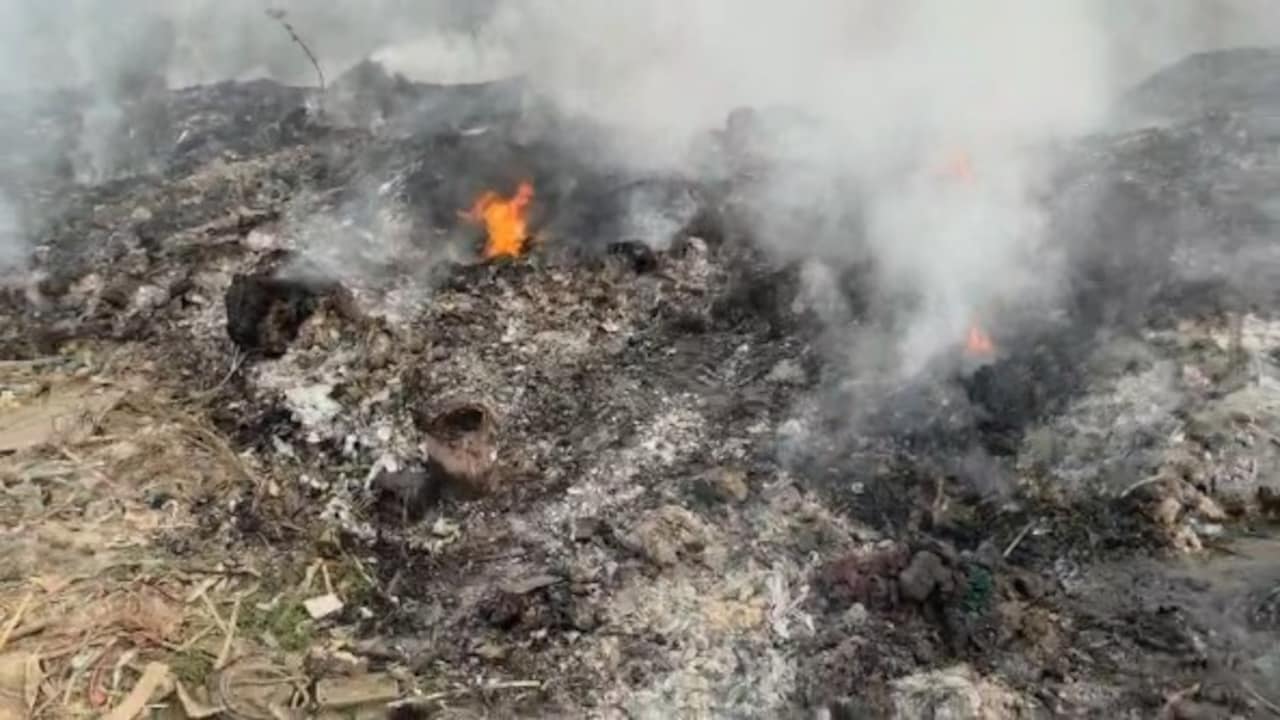
Civic bodies in Gurugram and Delhi are implementing stricter waste management measures, including sealing illegal entry points at the Aravalli Biodiversity Park and introducing heavy fines under the 2026 Solid Waste Management Bye-Laws. These initiatives aim to curb illegal dumping and promote waste segregation through a new graded penalty structure.
Strengthening Urban Sanitation: A Two-Pronged Approach to Waste Management
Protecting Ecological Sanctuaries
The Municipal Corporation of Gurugram (MCG) has taken a decisive step toward environmental preservation by ordering the sealing of illegal entry points into the Aravalli Biodiversity Park. This move, spearheaded by Additional Municipal Commissioner Yash Jaluka, directly addresses the persistent issue of construction and demolition (C&D) waste dumping that has plagued the area. By deploying mobile processing plants rather than constructing permanent facilities within the park, the MCG is prioritizing the restoration of the ecosystem's integrity while maintaining operational efficiency.
The Shift Toward Graded Penalties
Parallel to the efforts in Gurugram, the Municipal Corporation of Delhi (MCD) has introduced the Solid Waste Management Bye-Laws 2026. This legislative update represents a significant shift toward a punitive, yet graded, regulatory framework. By categorizing offenders—ranging from individual residents to large-scale factory owners—the MCD aims to internalize the costs of environmental degradation. Fines now range from ₹500 for household segregation failures to ₹1.5 lakh for industrial packaging violations, reflecting a tiered approach to accountability.
Addressing Residential and Commercial Compliance
The 2026 Bye-Laws mark a sharp departure from the 2016 standards, with some penalties seeing increases of up to 150%. Residential properties are now subject to a ₹500 fine for non-segregation, a notable hike from the previous ₹200. This strategy serves as a behavioral nudge, intended to integrate waste sorting into the daily habits of urban residents, thereby easing the downstream burden on processing facilities.
Economic Implications of Waste Management
The introduction of fixed monthly user charges for various entities—including hotels, restaurants, and commercial institutions—marks a move toward self-sustaining municipal waste services. By mandating these fees, the MCD seeks to generate a reliable revenue stream to fund the entire lifecycle of waste: collection, transportation, and disposal. This financial model is essential for scaling up infrastructure to meet the demands of a growing metropolis.
Future Trends and Environmental Governance
The convergence of these actions—physical site protection in Gurugram and regulatory tightening in Delhi—signals a broader trend of aggressive urban environmental governance. As these cities continue to expand, the reliance on mobile processing units and strict enforcement of bye-laws will likely become the standard. The success of these policies will ultimately depend on consistent enforcement and public cooperation, setting a precedent for other Indian cities struggling with similar waste management crises.
Verification Required?