'Student Deaths Not Ordinary Mishap': High Court On Delhi Building Collapse
Source Entity
NDTV News Search Records Found 1000
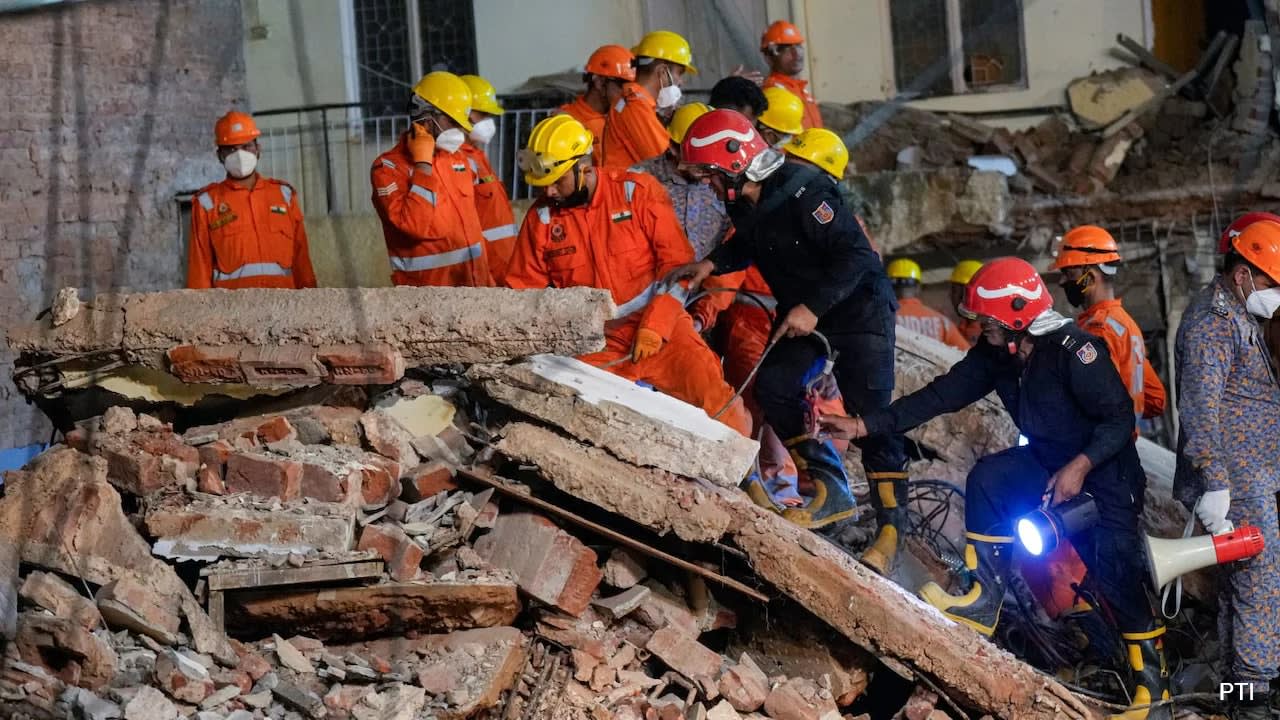
The Delhi High Court has characterized a recent building collapse resulting in student deaths as a grave incident rather than an ordinary mishap. The court is currently hearing a Public Interest Litigation (PIL) filed by Aakarshak Danveer Rathi regarding the tragedy.
Judicial Scrutiny of the Delhi Building Collapse
The Delhi High Court has taken a firm stance regarding a recent building collapse that claimed the lives of students, explicitly rejecting the notion that such a tragedy should be classified as an 'ordinary mishap.' By framing the incident in this manner, the judiciary has signaled its intent to hold authorities accountable for structural negligence and systemic failures that often plague urban infrastructure in densely populated capital regions.
The Role of Public Interest Litigation
This judicial intervention stems from a Public Interest Litigation (PIL) filed by petitioner Aakarshak Danveer Rathi. PILs serve as a critical mechanism in the Indian legal system, allowing concerned citizens to approach the courts to protect the rights of the public. In this instance, the court's willingness to hear the matter underscores the severity of the loss and the public outcry regarding safety standards in educational hubs and residential buildings.
Analyzing Systemic Urban Negligence
Building collapses in urban centers are frequently the result of a complex web of unauthorized construction, lack of structural audits, and systemic corruption in building approval processes. The High Court's observation suggests that the investigation will likely move beyond the immediate event to scrutinize the regulatory bodies responsible for oversight. This indicates a potential shift toward stricter enforcement of safety codes and accountability for municipal officials tasked with ensuring building integrity.
Broader Implications for Student Safety
For students, particularly those residing in coaching hubs or high-density areas, this case represents a pivotal moment for safety advocacy. The classification of these deaths as more than an 'ordinary mishap' shifts the narrative from individual misfortune to a failure of public safety. This necessitates a broader review of fire safety, structural stability, and the legality of commercial operations in residential zones, which are common issues in Delhi’s sprawling landscape.
Future Trends in Urban Governance
Moving forward, this legal challenge is likely to set a precedent for how the court handles future cases of structural failure. We can anticipate more rigorous mandatory structural audits and potentially a crackdown on non-compliant buildings. If the High Court maintains this trajectory, it may force urban planning authorities to reform their inspection protocols, ensuring that safety is prioritized over the rapid, often unregulated, expansion of urban infrastructure.
Conclusion: A Call for Accountability
The involvement of the High Court in the case of Aakarshak Danveer Rathi’s PIL is a necessary step toward justice for the victims. By refusing to treat the collapse as a routine accident, the court is emphasizing that the sanctity of human life must be the primary metric for urban development. The final verdict will likely serve as a benchmark for future safety litigations across the country.
Verification Required?