‘Abuse of position of trust’: Delhi High Court upholds life sentence of cop for 2011 double murder
Source Entity
Nirbhay Thakur
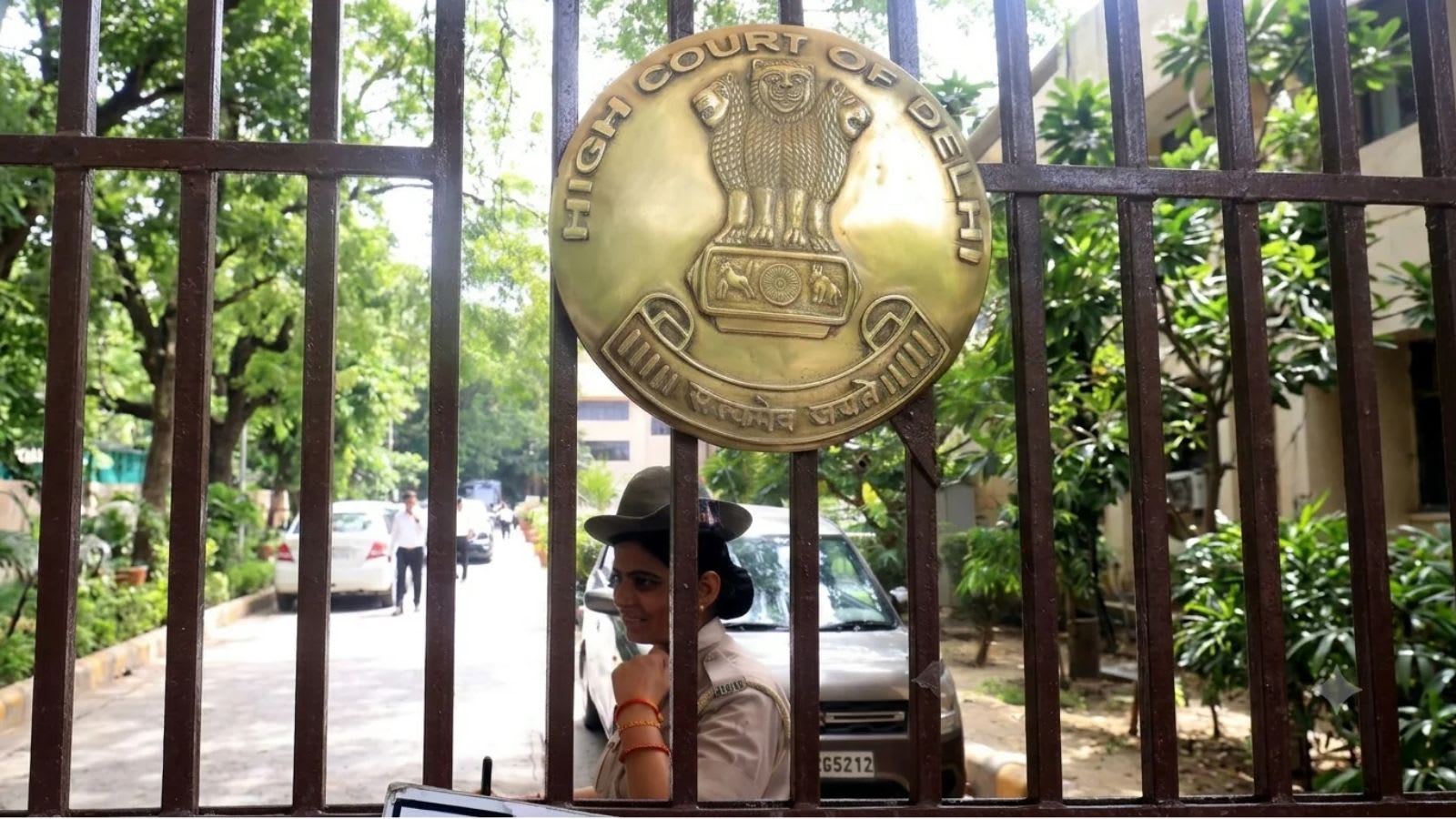
The Delhi High Court has upheld the life sentence of a Delhi Police Head Constable, Ajay Kumar Tomar, for a 2011 double murder and armed robbery. The court emphasized that his betrayal of public trust as a law enforcement officer served as a major aggravating factor in the sentencing.
Judicial Upholding of Justice in the 2011 Double Murder Case
The Delhi High Court recently issued a landmark judgment, affirming the conviction and life imprisonment of Ajay Kumar Tomar, a Delhi Police Head Constable. The legal proceedings stem from a brutal 2011 incident where Tomar, misrepresenting himself as a Sub-Inspector, engaged in armed robbery that ultimately escalated into the cold-blooded murder of two individuals. This ruling marks a definitive end to a prolonged legal battle, reinforcing the judiciary's stance on criminal conduct within the ranks of law enforcement.
Betrayal of the Uniform
A critical component of the bench's decision, delivered by Justices Navin Chawla and Ravinder Dudeja, centers on the 'abuse of position of trust.' The court noted that Tomar was legally obligated to protect the lives and property of the citizens he served. By transitioning from a guardian of the law to a perpetrator of violent crime, Tomar fundamentally undermined the integrity of the Delhi Police force. The court explicitly highlighted that his status as an officer was an aggravating circumstance that necessitated the harshest scrutiny.
The Anatomy of the Crime
The details of the case reveal a harrowing narrative of greed and violence. In September 2011, Tomar leveraged his authority and the guise of a higher rank to orchestrate an armed robbery. The situation spiraled into tragedy when he took the lives of two people. One murder was driven by his avarice, while the second victim, an innocent civilian named Sunny, was killed during Tomar’s desperate attempt to evade capture. This sequence of events underscores the extreme danger posed when power is weaponized for personal gain.
Broader Implications for Law Enforcement
This case serves as a somber reminder of the necessity for rigorous accountability within police departments. When officers commit heinous crimes, it damages the fragile trust between the state and the public. By upholding the life sentence, the Delhi High Court has sent a clear message that the uniform does not grant immunity from the rule of law. Instead, it places a higher moral and legal burden on the individual, where any transgression is viewed with increased severity by the judicial system.
Future Trends in Judicial Accountability
Moving forward, such verdicts are likely to influence how courts handle crimes committed by public servants. The emphasis placed by the Delhi High Court on the 'position of trust' suggests a trend toward harsher sentencing for officials who commit violent felonies. This ensures that the justice system remains a deterrent against systemic corruption and the criminalization of those tasked with maintaining public order. The finality of this judgment provides a measure of closure for the families of the victims and reaffirms the supremacy of the law.