Rajasthan panchayat election results: Congress takes early lead; 5 reasons why these polls matter
Source Entity
Hamza Khan
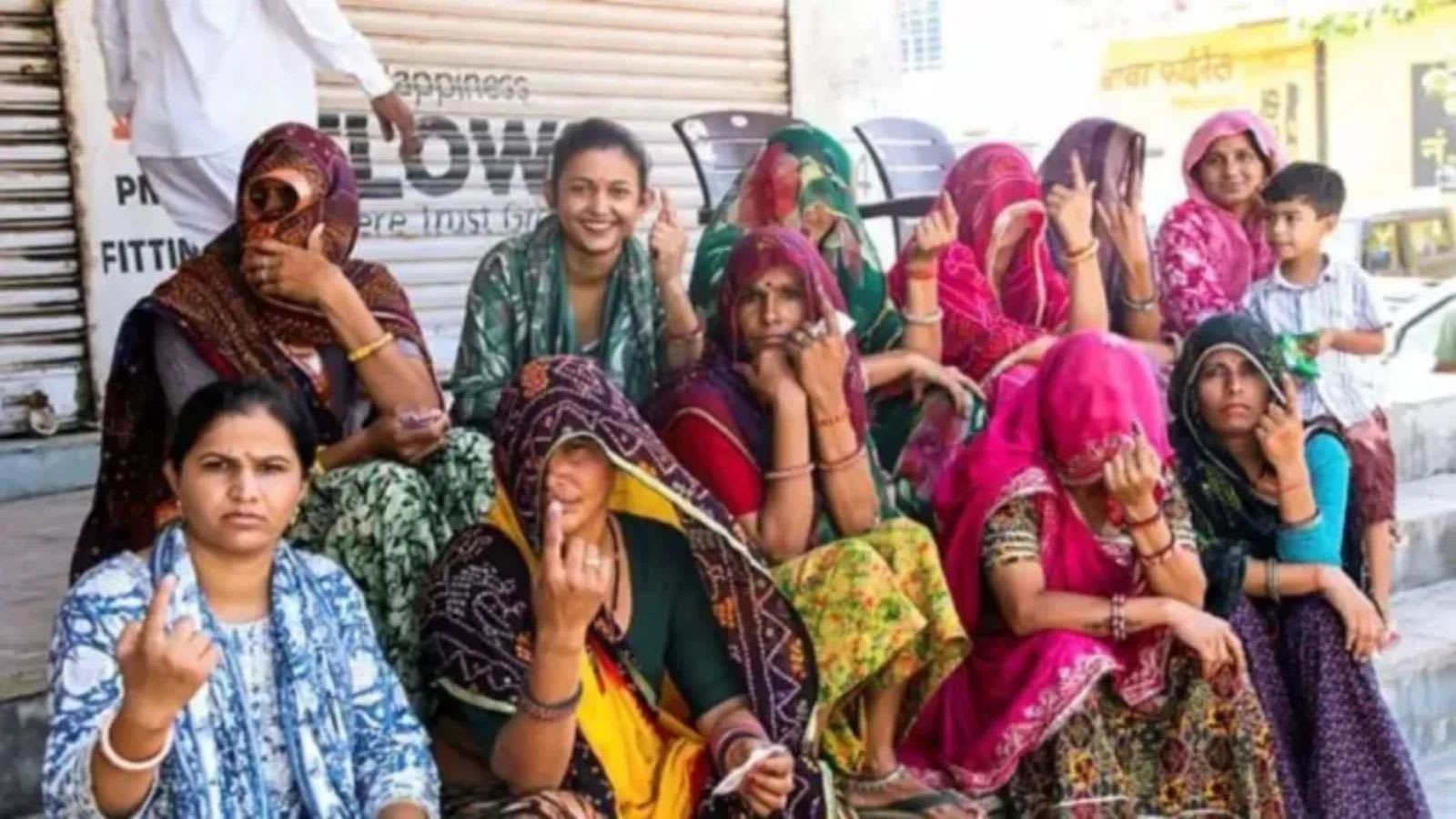
Rajasthan is conducting the counting of votes for the 2026 Panchayat Samiti and Zila Parishad elections on November 20. The results will determine local leadership across 37 districts, impacting rural development governance.
The 2026 Rajasthan Panchayat Elections: A Crucial Verdict
The 2026 Rajasthan Panchayat Elections represent a pivotal moment for the state's grassroots democracy. With voters casting their ballots across 1,275 Zila Parishad and 7,543 Panchayat Samiti wards, the electoral process serves as a direct barometer for public sentiment regarding local governance and rural infrastructure development. As the state prepares for the declaration of results on November 20, the anticipation surrounding these outcomes reflects the high stakes involved in rural administration.
The Mechanics of Local Governance
To understand the significance of these elections, one must look at the structural importance of the bodies involved. The Panchayat Samiti operates at the block level, acting as the primary engine for development initiatives across clusters of villages. Simultaneously, the Zila Parishad functions at the district level, providing high-level planning, oversight, and monitoring of rural welfare schemes. Together, these two tiers form the backbone of Rajasthan’s rural governance framework, directly influencing the daily lives of citizens through resource allocation and policy execution.
Electoral Logistics and Scale
The 2026 electoral exercise was massive in scale, spanning 41 districts and conducted in four distinct phases—October 22, October 28, November 3, and November 14. With 27,872 candidates vying for Panchayat Samiti seats alone, the competition highlights the intense political engagement at the village level. The counting process, scheduled for November 20 at district headquarters, follows standard protocols, beginning with postal ballots before moving to the electronic vote counts.
Regional Focus: The Bikaner Example
Specific districts, such as Bikaner, illustrate the complexity of these elections. With 41 Zila Parishad wards and 15 Panchayat Samitis, Bikaner serves as a microcosm of the state-wide contest. The outcomes here, as in other districts, will dictate the trajectory of local development projects for the coming term. Voters have participated with the expectation that their chosen representatives will effectively address regional needs and bridge the gap between state-level policy and local implementation.
Broader Implications and Future Trends
These elections are far more than a selection of ward members; they are a referendum on local leadership and the efficacy of ongoing development work. As the Rajasthan State Election Commission oversees the final tally, the results will likely influence future political strategies in the state. By empowering local representatives, these elections ensure that rural voices remain central to the democratic process, setting the stage for subsequent administrative priorities in the rural heartlands of Rajasthan.
Multiple Citing Sources