Facing backlash, Assam Medical College rolls back order asking resident doctors to postpone marriage
Source Entity
The Indian Express
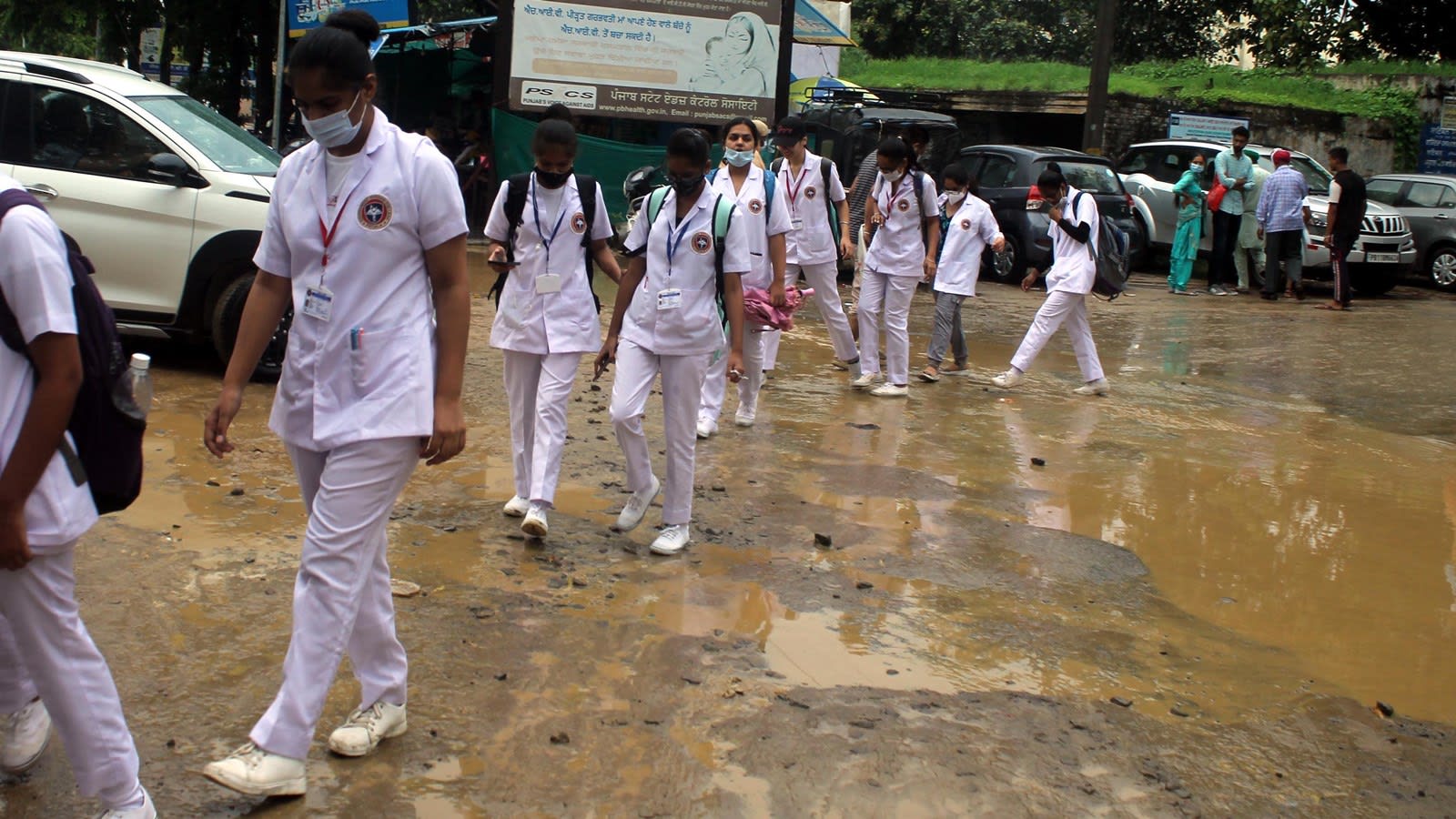
Assam Medical College and Hospital has withdrawn a controversial order that advised postgraduate medical trainees to defer marriage until the completion of their residency. The directive faced immediate and severe backlash from doctors' organizations and social media users, prompting the Chief Minister's office to intervene.
Controversy Over Residency Restrictions at Assam Medical College
The Incident and Immediate Withdrawal
In a highly unusual administrative move, the Department of Medicine at Assam Medical College and Hospital (AMCH) in Dibrugarh issued an order on November 18, 2026, advising postgraduate trainees (PGTs) to defer "personal milestones such as marriage" until their residency tenure was complete. This directive, signed by the Head of the Department, Professor Prasanta Dihingia, argued that students' primary focus should remain exclusively on clinical duties, patient care, and academic research. However, the order was short-lived, as it was rescinded within hours following intense public and professional scrutiny.
The Role of Public and Professional Backlash
The backlash was swift and multifaceted. Doctors' organizations and social media users criticized the directive as an overreach into the personal lives of adult professionals. In the modern medical education landscape, the imposition of non-academic constraints on postgraduate students is generally viewed as an infringement on individual autonomy. The intensity of the reaction forced the institution to formally cancel the order, citing a need to address the concerns raised by the medical community.
Intervention by State Authorities
The controversy reached the highest levels of state governance, with the office of Assam Chief Minister Himanta Biswa Sarma confirming that the order had been withdrawn. This intervention underscores the sensitivity of administrative policies within government-run medical institutions. When institutional mandates clash with the personal rights of high-pressure healthcare workers, the state often feels compelled to step in to prevent further reputational damage and labor unrest.
The Broader Context of Medical Education
Residency programs in India are notoriously rigorous, often involving long hours and high-stress environments. The attempt by the AMCH department to prioritize academic and clinical focus is reflective of the immense pressure placed on medical institutions to maintain high standards of patient care. However, the attempt to regulate life events like marriage highlights a growing tension between traditional institutional control and the evolving expectations of a new generation of doctors who demand a better work-life balance.
Implications for Future Administrative Policy
This incident serves as a cautionary tale for medical administrators regarding the boundaries of institutional authority. As medical education evolves, policies that govern student behavior must be balanced against the realities of human life. The withdrawal of this order sets a precedent that administrative mandates regarding the personal lives of trainees will likely face significant resistance. Moving forward, academic institutions will need to focus on supporting resident well-being rather than imposing restrictive personal milestones to ensure long-term sustainability in medical training.
Multiple Citing Sources