Punjab records 23.5% decline despite 22.4% spike in stubble burning incidents
Source Entity
Anju Agnihotri Chaba
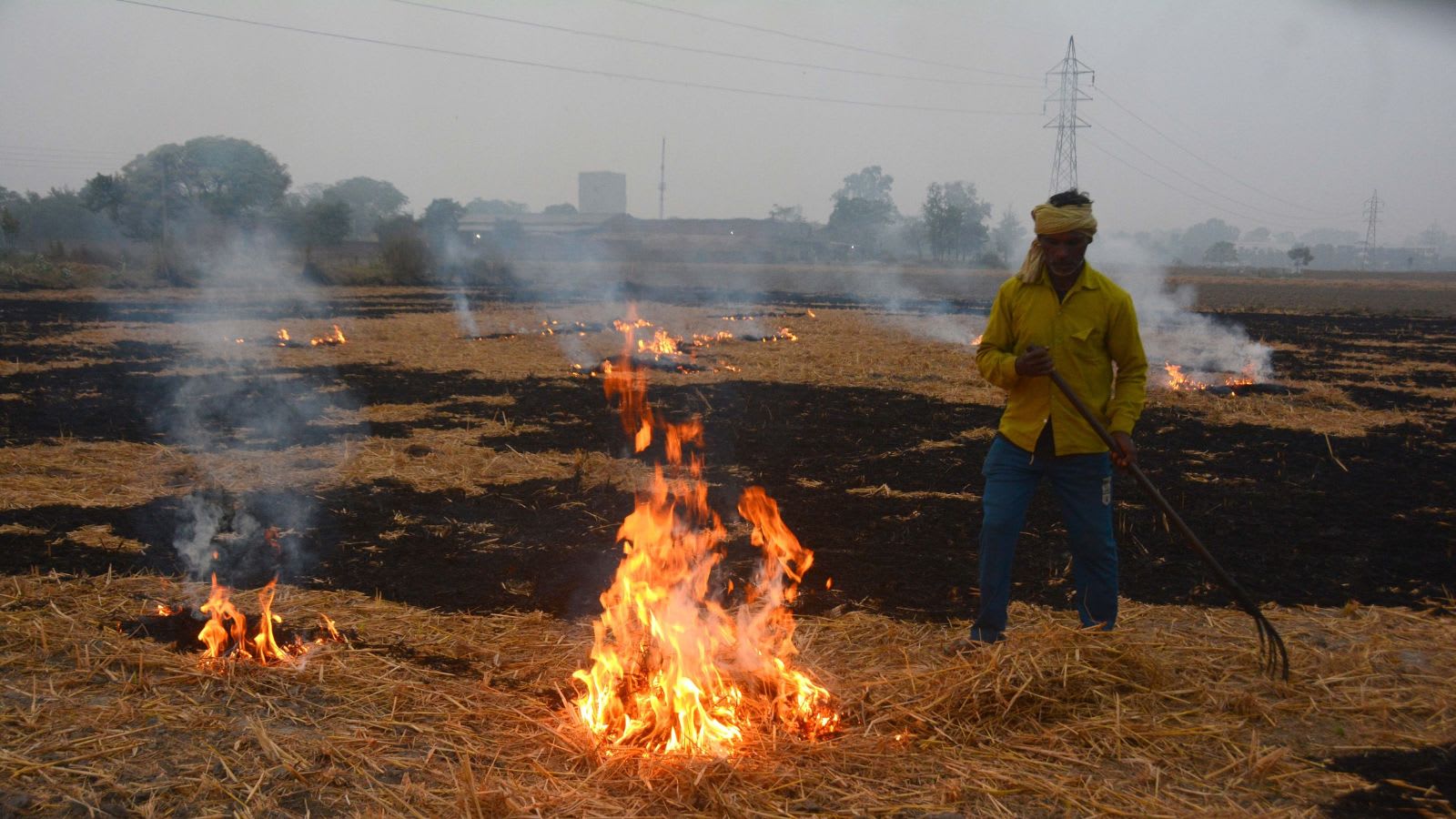
Punjab has reported a 22.4% increase in the frequency of stubble burning incidents this season. Despite this, satellite data reveals a 23.5% decline in the total agricultural land area affected by these fires compared to last year.
The Paradox of Punjab’s Stubble Burning: Frequency vs. Intensity
Recent data from the Punjab Pollution Control Board (PPCB) has unveiled a counterintuitive trend regarding agricultural residue management in Punjab. While the state has observed a 22.4% spike in the frequency of stubble burning incidents between September 15 and November 15, there has been a simultaneous 23.5% reduction in the total agricultural land area affected by these fires. This divergence suggests a fundamental shift in how paddy residue is being handled on the ground, potentially indicating that while more fires are being lit, they are occurring on smaller, more localized plots of land.
Analyzing the Satellite-Based Data
The shift is substantiated by satellite-based burnt-area data, which offers a more granular view of the environmental impact than incident counts alone. The cumulative burnt area across the state dropped significantly from 19.41 lakh hectares in 2025 to 14.84 lakh hectares in the current season. This net reduction of 4.57 lakh hectares across the state is a critical metric, as it suggests that the total biomass being incinerated is decreasing despite the higher number of recorded fire events.
Geographical Distribution of the Decline
The reduction in burnt area is not an isolated phenomenon but a widespread trend, with 21 out of Punjab’s 23 districts reporting a decrease in the extent of land affected. This consistency across the state points toward broader policy impacts or changes in farming practices that have moved beyond localized solutions. The fact that only two districts saw a marginal increase underscores the success of current interventions, suggesting that the vast majority of the state is trending toward better residue management.
Broader Environmental and Policy Implications
This data complicates the traditional narrative surrounding stubble burning, which typically focuses solely on the number of fire points detected. Policymakers have long struggled to balance the immediate need for farmers to clear fields for the wheat sowing cycle with the severe air quality degradation caused by crop residue burning. The current findings imply that while the 'number of fires' remains a high-visibility metric for regulatory bodies, the 'burnt area' metric provides a more accurate reflection of the total environmental burden placed on the atmosphere.
Future Trends and Strategic Outlook
Moving forward, agricultural authorities must investigate why the frequency of fires remains high even as the total burnt area shrinks. It is possible that smaller-scale burning is becoming more prevalent, or that farmers are adopting partial incorporation methods that lead to smaller, more fragmented fire events. Understanding this behavioral shift is crucial for refining future incentive programs and technology distribution, such as the promotion of in-situ residue management machinery, to ensure that the downward trend in land area affected continues to accelerate.