SC declines Tamil Nadu's plea seeking 11 TMC Cauvery water from Karnataka
Source Entity
ABHISHEK MISHRA
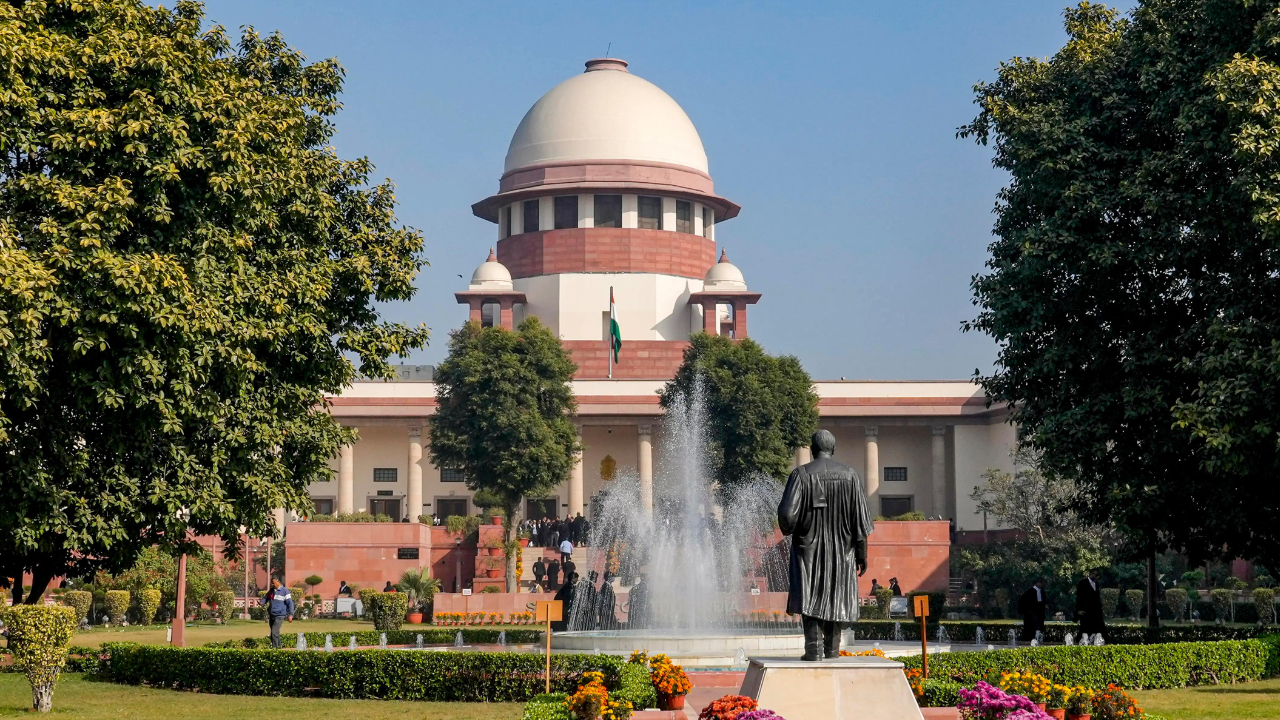
The Supreme Court of India has dismissed Tamil Nadu's plea for an additional 11 TMC of Cauvery river water from Karnataka. The bench rejected claims that Karnataka was withholding water despite having sufficient reserves.
Supreme Court Rejects Tamil Nadu's Plea in Cauvery Dispute
The Supreme Court of India has formally dismissed two applications filed by the state of Tamil Nadu, which sought judicial intervention to compel the state of Karnataka to release additional Cauvery river water. The bench, presided over by Justices Vikram Nath and Aparesh Singh, delivered the verdict, effectively halting the immediate legal push by Tamil Nadu to secure 11 TMC (thousand million cubic feet) of water that the state claimed was in arrears.
The Core of the Contention
At the heart of this legal battle was a specific claim by Tamil Nadu regarding a shortfall in water inflows at the Billigundulu border measuring point. According to the petition, Tamil Nadu asserted that there was a deficit of approximately 11.719 TMC in the water due to it up to October 6, 2026. The state argued that this shortfall was not due to a lack of resources, but rather a deliberate withholding of water by Karnataka, which Tamil Nadu alleged possessed sufficient reserves of roughly 49 TMC.
Legal Arguments and Tribunal Standards
Tamil Nadu’s argument relied heavily on the water-sharing arrangements established by the Cauvery Water Disputes Tribunal (CWDT) award. The state contended that under these established legal frameworks, it was entitled to 64 TMC of water during the specified period. By failing to meet these benchmarks, Tamil Nadu argued that Karnataka had violated the spirit of the inter-state water-sharing agreement, necessitating urgent intervention from the apex court to protect the interests of its agricultural and residential sectors.
Karnataka’s Defense and Court Findings
In response to the accusations, Karnataka had previously submitted affidavits to the Supreme Court countering the claims of intentional water withholding. The state maintained that its reservoir management was consistent with its obligations and environmental realities. The Supreme Court, after reviewing the arguments from both sides, found the grounds for the additional release insufficient, leading to the dismissal of the applications. This ruling reinforces the current status quo regarding water distribution between the two states.
Broader Implications for Water Governance
The Cauvery dispute remains one of India's most complex and long-standing inter-state conflicts, reflecting the increasing pressures of climate variability and rising agricultural demand. The Supreme Court's decision highlights the difficulty of managing shared natural resources in a federal structure where both states face competing needs for irrigation, drinking water, and power generation. This verdict serves as a reminder that judicial resolutions in water disputes are often constrained by the technical metrics defined by previous tribunal awards.
Conclusion and Future Outlook
As the Supreme Court rejects this specific plea, the focus will likely shift back to the regulatory bodies tasked with monitoring the Cauvery water flows. While this ruling provides temporary clarity, the underlying tension over water rights between Tamil Nadu and Karnataka persists. Future management will require continued reliance on scientific data from the Billigundulu measuring point and strict adherence to the existing tribunal mandates to mitigate future conflicts.