Kiran Bedi backs Jantar Mantar de-notification, explains why site is ‘least suited’ for protests
Source Entity
Latest News: Todays Latest News Headlines from India & World | Hindustan Times | Hindustan Times
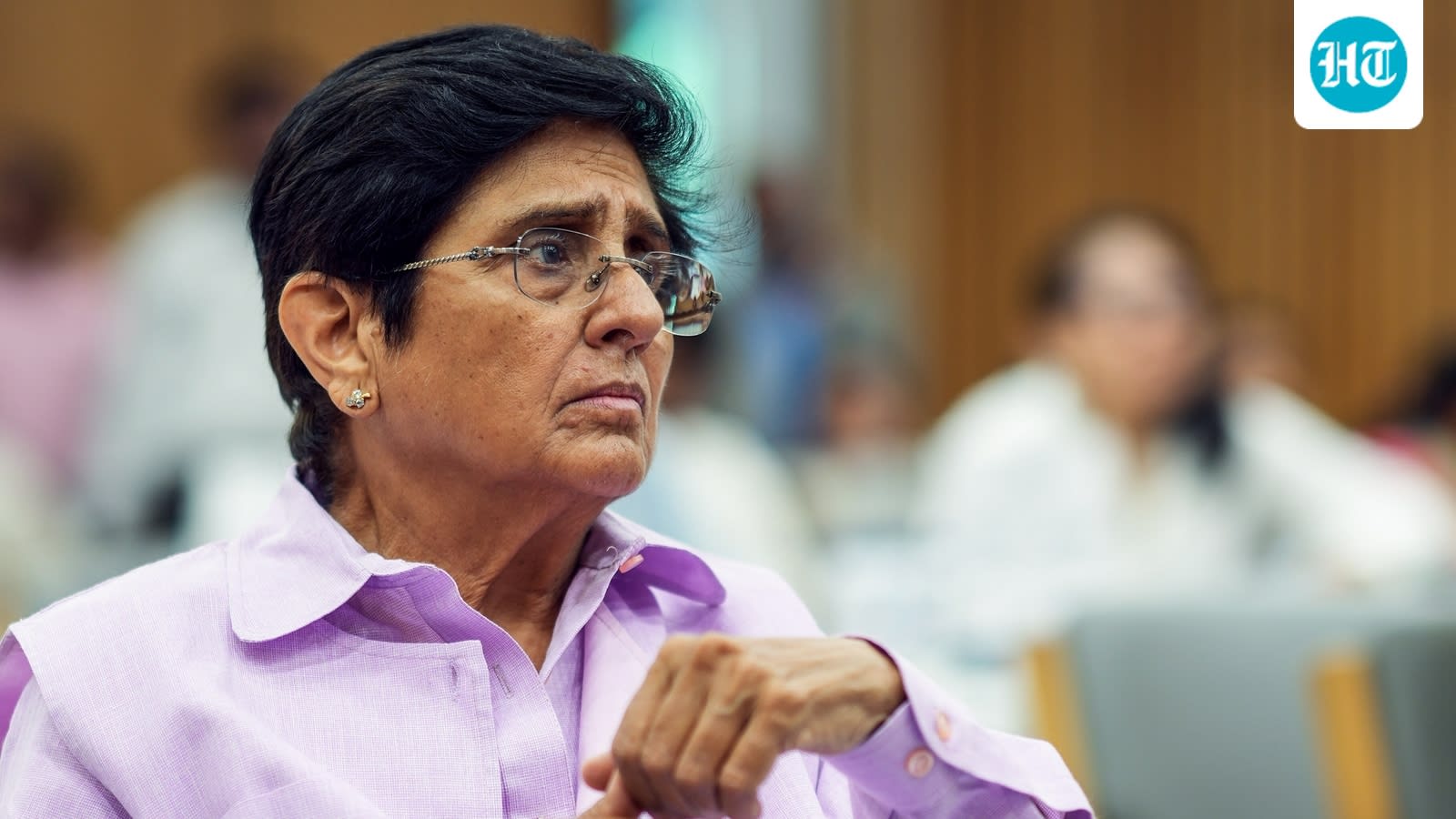
The Delhi government has officially de-notified Jantar Mantar as a designated protest site, directing demonstrators to new venues at Ramlila Ground, Burari Ground, and CBD Ground. The Delhi High Court has scheduled a hearing to address legal challenges against this closure while monitoring related Supreme Court proceedings.
The Shift in Delhi's Protest Landscape
In a significant administrative move, the Ministry of Home Affairs (MHA) has officially de-notified Jantar Mantar as a designated venue for public protests and demonstrations. This decision, announced by Delhi Police Commissioner Anurag Kumar on October 12, 2026, marks the end of an era for the historic site, which has long served as the epicenter of dissent and civic activism in the national capital. The MHA arrived at this conclusion following the recommendations of a committee specifically tasked with identifying suitable alternatives for citizens to exercise their democratic right to assembly.
New Designated Venues
To replace the central Jantar Mantar location, authorities have officially sanctioned three alternative sites: the Ramlila Ground in Central Delhi, the Burari Ground in North Delhi, and the CBD Ground in East Delhi. This decentralization of protest activity reflects a broader governmental effort to manage urban traffic and public order in the heart of the city. However, the move has ignited immediate debate regarding the accessibility and effectiveness of these new locations compared to the highly visible Jantar Mantar.
Legal Challenges and Judicial Oversight
The transition has faced immediate legal scrutiny. On October 12, 2026, a plea was presented before a Bench of Acting Chief Justice Nitin Wasudeo Sambre and Justice Sanjay Sharma, challenging the closure of Jantar Mantar. Counsel for the petitioners argued that peaceful protests are being effectively quelled by the lack of a suitable, accessible alternative site. The Delhi High Court, while acknowledging the urgency, declined to hear the matter on Monday, noting that the Supreme Court is already seized of the broader issues surrounding protest regulations in the capital.
Concerns Over Security and Civil Rights
Beyond the logistical debate, there are growing concerns regarding the safety of participants at these demonstrations. The High Court has also agreed to hear a separate petition alleging that "outsiders" infiltrated a protest held over the weekend, resulting in the harassment of activists. This incident underscores the tension between the state's duty to maintain public order and the fundamental right of citizens to protest without fear of interference or intimidation.
Future Trends in Civic Dissent
The shift away from Jantar Mantar reflects a growing trend of authorities moving protests away from high-density, sensitive administrative zones toward the periphery of the city. While the government maintains that these measures are necessary for public safety and administrative efficiency, critics argue that such moves diminish the visibility of dissent. As the Delhi High Court prepares to revisit these petitions on October 13, 2026, the judicial outcome will likely set a critical precedent for how the right to protest is balanced against urban management in India's capital moving forward.
Multiple Citing Sources
Verification Required?