Delhi To Karnal In 90 Minutes: How Rs 33,051 Crore Namo Bharat Corridor Will Transform Connectivity
Source Entity
NDTV News Search Records Found 1000
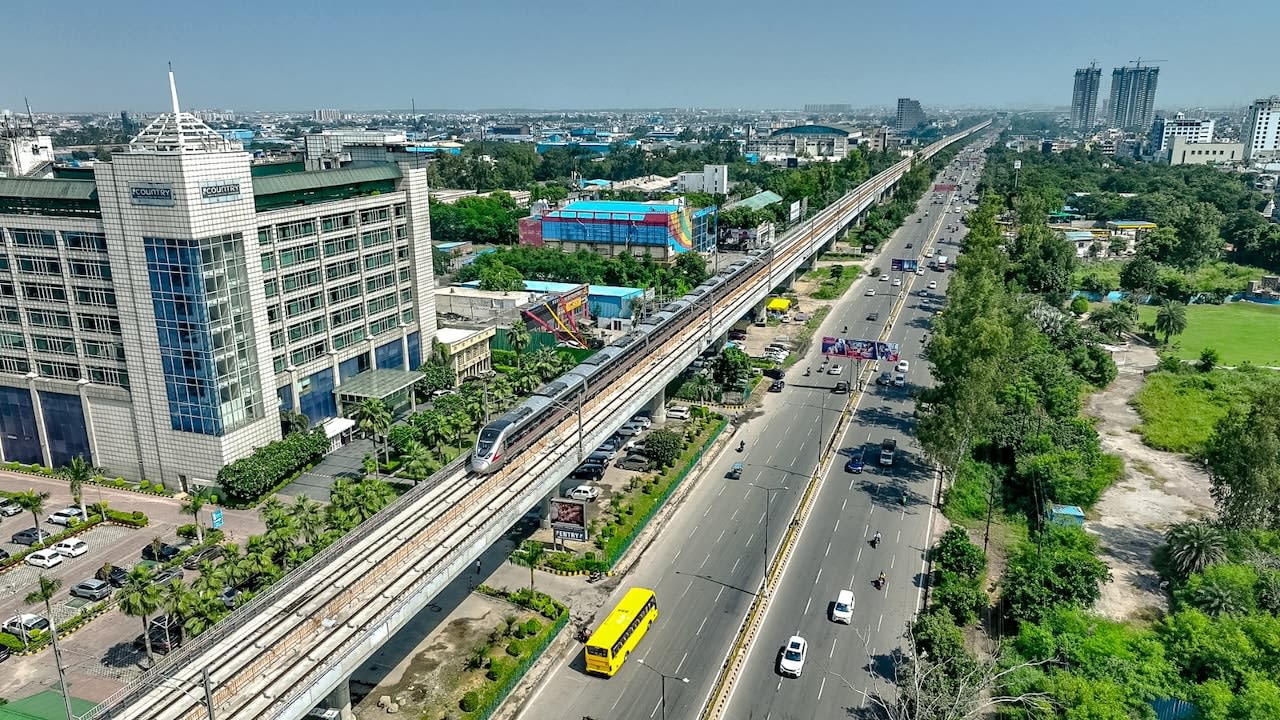
The Namo Bharat corridor project aims to drastically reduce travel time between Delhi and Karnal. With trains capable of 160 kmph operating speeds, this infrastructure investment promises to reshape regional connectivity.
Transforming Regional Mobility: The Namo Bharat Corridor
The infrastructure landscape of Northern India is set for a monumental shift with the implementation of the Namo Bharat corridor project, a massive Rs 33,051 crore undertaking. By bridging the critical gap between the national capital, Delhi, and the city of Karnal, this project represents a strategic move to optimize regional transit. The core objective is to reduce travel time to a mere 90 minutes, significantly improving the efficiency of daily commutes and long-distance regional travel within the National Capital Region.
Advanced Engineering and Speed Specifications
At the heart of this transformation are the high-speed Namo Bharat trains. These units are engineered for superior performance, boasting a maximum design speed of 180 kmph. In practical, day-to-day operations, they are slated to maintain a high-efficiency operating speed of 160 kmph. This engineering standard aligns the project with global rapid transit benchmarks, ensuring that commuters can traverse large distances in a fraction of the time currently required by traditional rail or road transit.
Economic Implications of Enhanced Connectivity
Large-scale infrastructure investments, such as this Rs 33,051 crore corridor, serve as economic multipliers. By slashing travel time to 90 minutes, the project effectively integrates the economic zones of Delhi and Karnal. Such connectivity facilitates labor mobility, allowing professionals to reside in satellite cities while working in the capital, thereby easing the demographic pressure on Delhi’s urban core and fostering growth in surrounding areas.
Strategic Importance to the National Capital Region
The development of this corridor is a critical component of broader efforts to decongest the National Capital Region (NCR). As the population density in Delhi continues to rise, the reliance on road transport often leads to gridlock and increased carbon emissions. The transition to a high-speed rail corridor provides a sustainable alternative, encouraging a shift toward public transit that is both faster and more reliable than existing vehicular options.
Future Trends and Regional Development
Looking forward, the success of the Namo Bharat corridor could serve as a blueprint for future regional rapid transit systems across India. By prioritizing high-speed connectivity, the government is setting a precedent for 'transit-oriented development.' This approach not only focuses on moving people but also on creating integrated hubs that stimulate local commerce and real estate development along the transit path.
Conclusion
In summary, the Namo Bharat corridor is more than just a rail project; it is a vital artery for the future of Northern India’s connectivity. By leveraging advanced train technology with 160 kmph operating speeds, the project addresses the urgent need for faster, safer, and more efficient transit. As construction moves forward, the impact of this Rs 33,051 crore investment will be measured not only in the 90-minute transit time but in the long-term economic prosperity it brings to the region.
Verification Required?