‘Car giving 12-13 km per litre is now giving 9-10’: Delhi mechanics on E20 fuel impact
Source Entity
Devansh Mittal
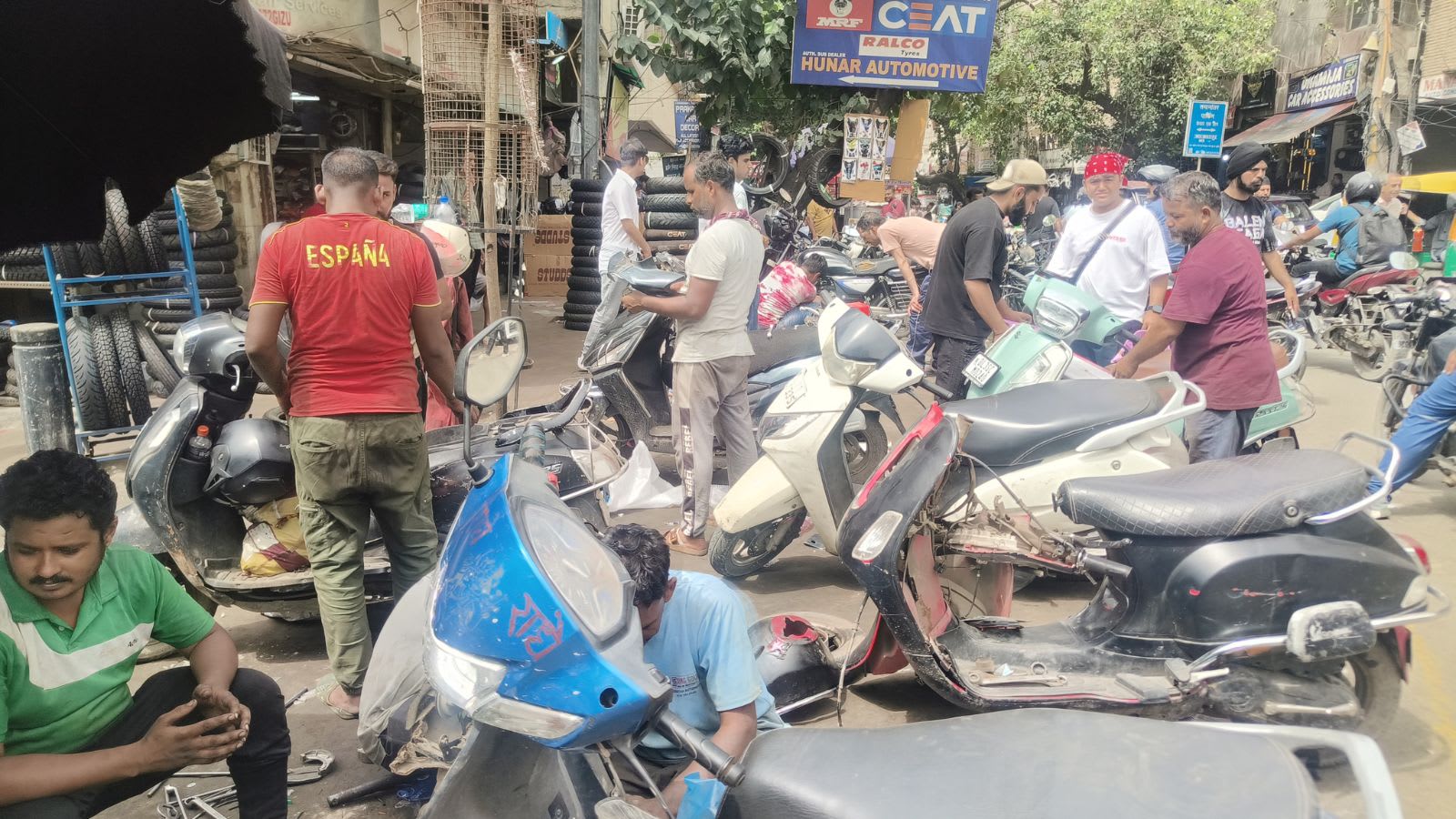
By mid-morning, Mayapuri Scrap Yard in Delhi settles into a steady rhythm of work. A mechanic is beneath a hatchback balanced on a hydraulic lift. Nearby, another wipes grease from his hands before li...
The E20 Transition: Ground Realities of Fuel Efficiency in Delhi
The shift toward E20 fuel—a blend of 20% ethanol and 80% gasoline—is a cornerstone of India's strategy to reduce crude oil imports and lower carbon emissions. However, reports emerging from the heart of Delhi's automotive hubs, such as the Mayapuri Scrap Yard, reveal a stark disconnect between policy goals and consumer experience. Mechanics on the ground are observing a tangible decline in fuel economy, with vehicles that previously delivered 12-13 kilometers per litre (kmpl) now struggling to reach 9-10 kmpl. This anecdotal evidence from skilled technicians suggests that the transition is creating an immediate economic burden for vehicle owners who are seeing their operating costs rise due to decreased efficiency.
The Science Behind the Mileage Drop
To understand why Delhi mechanics are reporting this specific drop in performance, one must look at the chemical properties of ethanol compared to pure gasoline. Ethanol possesses a lower energy density (calorific value) than gasoline. Specifically, ethanol contains roughly 33% less energy per unit volume than petrol. When the blend is increased to 20%, the overall energy content of the fuel is reduced. Consequently, an internal combustion engine must consume more fuel to produce the same amount of energy required to move the vehicle, leading directly to the observed decrease in mileage. For a driver in a congested city like Delhi, a drop of 3 kmpl is not merely a statistic but a significant increase in the frequency of fuel station visits.
Compatibility Issues and Mechanical Risks
Beyond the immediate loss of mileage, there is a critical concern regarding vehicle compatibility. Most older vehicles in India were designed for E5 or E10 blends. Ethanol is hygroscopic, meaning it absorbs water from the atmosphere, and it is more corrosive than gasoline. In non-E20 compliant engines, this can lead to the degradation of rubber seals, gaskets, and fuel lines, and can cause corrosion in metal components of the fuel system. The mechanics in Mayapuri are likely seeing the early stages of these systemic failures, where the fuel blend is not only reducing efficiency but potentially shortening the lifespan of the engine's fuel delivery system.
Economic Implications for the Consumer
While the Indian government promotes ethanol blending to support sugarcane farmers and save foreign exchange reserves, the financial burden is partially shifted to the end-user. If a vehicle's efficiency drops by approximately 20-25%, the cost per kilometer increases proportionally. Even if E20 fuel is priced slightly lower at the pump, the loss in mileage often offsets any price advantage. This creates a paradoxical situation where a policy intended for national economic gain results in a micro-economic loss for the average car owner, particularly those driving older, non-compliant vehicles who cannot simply upgrade their engines.
Broader Policy Context and Environmental Goals
India's Ethanol Blended Petrol (EBP) program is an ambitious attempt to achieve energy security. By integrating agricultural produce into the fuel supply chain, the government aims to reduce its reliance on volatile global oil markets. Environmentally, ethanol is considered a cleaner-burning fuel that can reduce tailpipe emissions of carbon monoxide and hydrocarbons. However, the transition period is proving volatile. The gap between the introduction of the fuel and the widespread adoption of E20-compliant vehicles creates a 'compatibility vacuum' that leaves millions of legacy vehicles underperforming.
Future Trends and Market Shifts
Looking ahead, this trend will likely accelerate the phase-out of older internal combustion engines in urban centers like Delhi. We can expect a surge in demand for E20-compliant vehicles and a possible growth in the aftermarket for 'ethanol-conversion kits' or specialized fuel system reinforcements. Furthermore, the frustration over dwindling mileage may push consumers toward hybrid or fully electric vehicles (EVs) more rapidly than anticipated, as the perceived reliability and efficiency of traditional petrol engines are challenged by the new fuel standards.
Conclusion
The reports from Delhi's mechanics serve as a critical reality check for the E20 rollout. While the macro-economic and environmental arguments for ethanol blending are strong, the immediate impact on vehicle performance and fuel economy is undeniable. The transition highlights the necessity for clearer consumer communication and potentially more support for vehicle owners to adapt their machines to new fuel standards to prevent widespread mechanical failure and economic dissatisfaction.