Delhi’s ‘expiry date’ racket: How relabelled food products may have reached consumers through e-commerce apps
Source Entity
Alok Singh
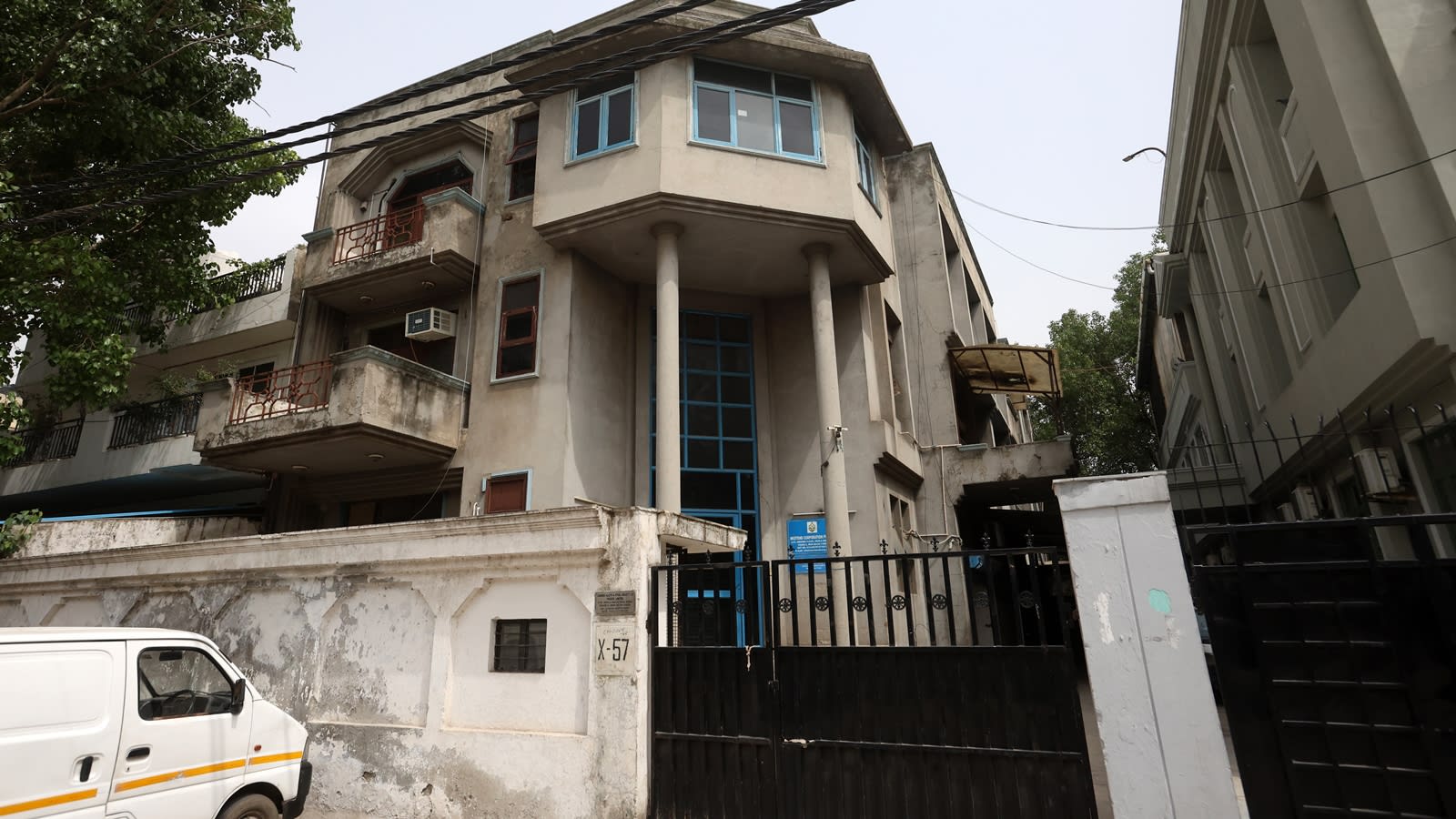
Behind a tall black iron gate on plot X-57 in southeast Delhi’s Okhla Industrial Area stands a seemingly ordinary three-storey commercial building. The basement houses a curtain warehouse, while the f...
Unmasking the Okhla Food Fraud: A Deep Dive into the Expiry Date Racket
The uncovering of a sophisticated food relabeling operation in Delhi's Okhla Industrial Area highlights a dangerous intersection between fraudulent trade and the rapid growth of digital marketplaces. Located at plot X-57, the operation utilized a three-story commercial building, cleverly masking its illegal activities behind a legitimate curtain warehouse located in the basement. This facade allowed the perpetrators to operate with relative impunity, manipulating the 'expiry dates' of food products to deceive consumers and prolong the profitability of unsellable stock.
The Modus Operandi of Deception
The core of this racket lies in the deceptive practice of relabeling. By stripping old date stamps and applying new, fraudulent labels, the operators transformed expired goods into 'fresh' inventory. This process is not merely a clerical fraud but a direct assault on consumer health. In the context of Delhi's dense industrial zones, such clandestine hubs often emerge, utilizing the anonymity of industrial estates to house makeshift factories that lack basic hygiene and regulatory oversight. The use of a 'cover' business—the curtain warehouse—suggests a calculated effort to mislead inspectors and avoid suspicion during routine checks.
The E-commerce Vulnerability
A critical component of this scandal is the distribution channel: e-commerce apps. The rise of 'quick-commerce' and third-party marketplaces has created a systemic gap in the supply chain where verification is often sacrificed for speed. These platforms often rely on a network of small-scale distributors or 'dark stores' that may not undergo rigorous physical inspections. This case demonstrates how bad actors can exploit the digital layer of retail to push hazardous products into homes, bypassing the traditional scrutiny that a brick-and-mortar store manager might provide when checking shelf dates.
Public Health Implications
From a health perspective, the implications of consuming relabeled expired food are severe. Processed foods, once past their expiry, can suffer from lipid oxidation, nutrient degradation, and, more dangerously, the growth of pathogens such as Salmonella or Clostridium botulinum if the packaging integrity is compromised. The systemic nature of this racket suggests that thousands of consumers may have been exposed to suboptimal or toxic food, potentially leading to widespread gastrointestinal issues or more severe long-term health complications, especially in vulnerable populations like children and the elderly.
Regulatory Gaps and Enforcement Challenges
This incident exposes significant loopholes in the enforcement of the Food Safety and Standards Act in India. While the Food Safety and Standards Authority of India (FSSAI) provides comprehensive guidelines, the actual monitoring of small-scale warehouses in industrial areas remains a logistical challenge. The ability of this racket to operate out of a commercial building in Okhla indicates a need for more integrated, intelligence-led raids rather than scheduled inspections, as the latter are easily circumvented by sophisticated operators who can hide evidence quickly.
Future Trends in Food Safety and Tech
Looking forward, this event will likely trigger a demand for greater transparency in the e-commerce supply chain. We can expect a shift toward 'track-and-trace' technologies, such as QR-code-based blockchain systems, where consumers can verify the origin and batch date of a product independently of the printed label. Additionally, e-commerce platforms may be forced to implement stricter KYC (Know Your Customer) and mandatory audit requirements for food vendors to avoid legal liability for selling adulterated or expired goods.
Conclusion
In summary, the Okhla expiry date racket is a wake-up call for both regulators and consumers. It reveals a predatory business model that prioritizes profit over human life by exploiting the trust inherent in digital shopping. To prevent a recurrence, a multi-pronged approach involving stricter industrial zoning audits, platform accountability, and increased consumer awareness is essential to ensure that the convenience of e-commerce does not come at the cost of public safety.