Not just K-pop, Delhi’s K-culture paglus are also discovering Korean folk music and here's how
Source Entity
Latest News: Todays Latest News Headlines from India & World | Hindustan Times | Hindustan Times
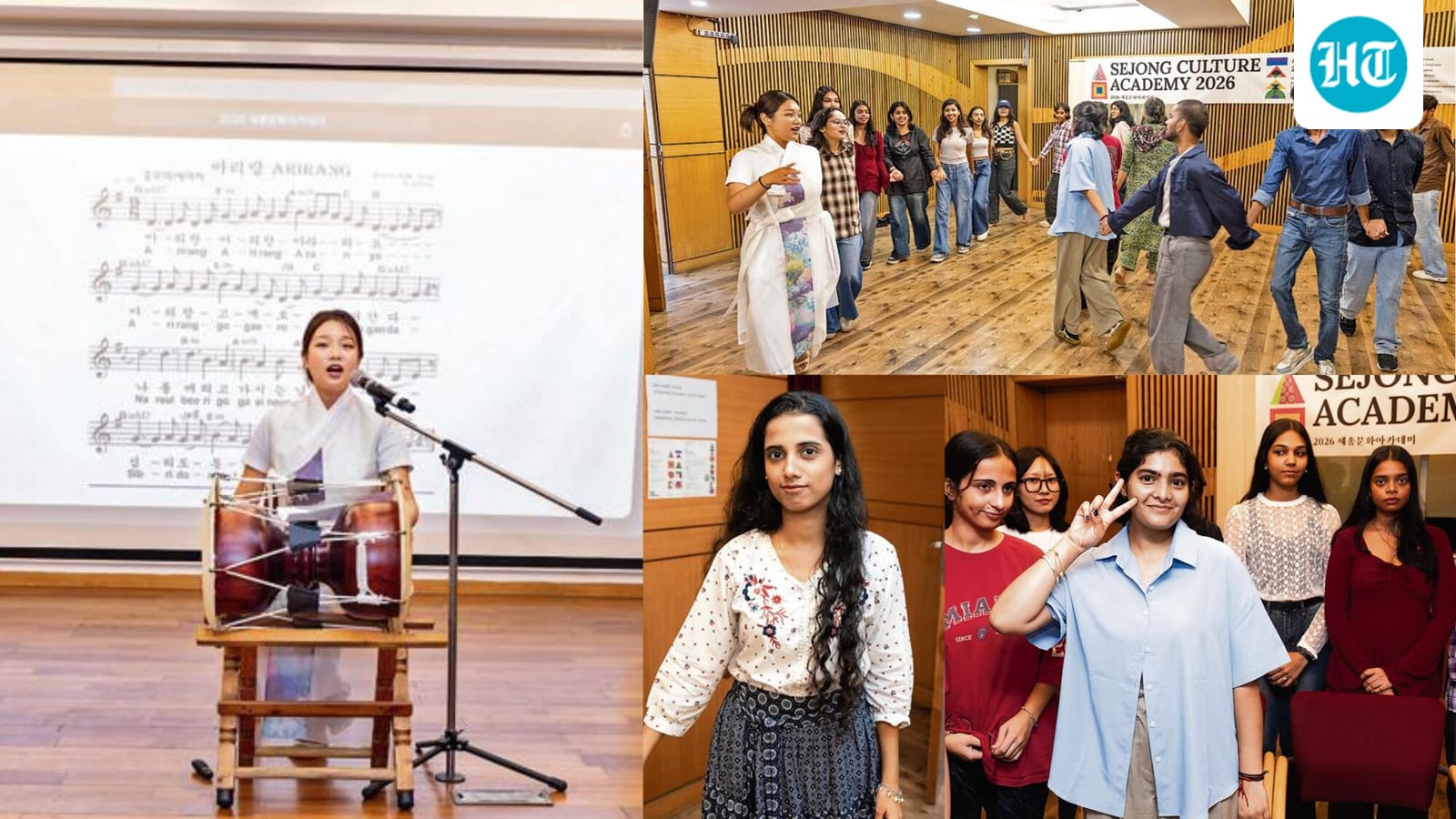
Delhi’s youth are expanding their interest in Korean culture by exploring traditional folk music, or Minyo, through workshops at the Korean Cultural Centre India. Led by expert Cho Eun Joo, these sessions bridge the gap between modern K-pop and centuries-old Korean heritage.
The Evolution of K-Culture Interest in Delhi
For years, the global perception of South Korean cultural exports has been dominated by the high-energy, polished aesthetic of K-pop groups like BTS and Blackpink. However, a significant shift is occurring in Delhi, where the fascination with the peninsula is maturing. The recent three-day workshop at the Korean Cultural Centre India (KCCI), held from September 8 to 10, marks a pivotal moment where enthusiasts are moving beyond contemporary pop charts to engage with the roots of Korean artistic identity: Minyo.
Bridging the Modern and the Traditional
The initiative, titled Korean Minyo: Learning Korean Traditional Folk Songs through K-Pop and Film, serves as an educational bridge. By contextualizing traditional music within the familiar frameworks of modern cinema and pop culture, the workshop demystified complex folk forms. Participants were introduced to Gyeonggi Minyo, specifically the iconic Arirang, and the rhythmic Namdo Minyo style, exemplified by Ganggangsullae. This pedagogical approach acknowledges that while K-pop acts as an effective 'gateway' to Korea, sustainable cultural exchange requires deep-diving into historical forms.
Expert Guidance and Cultural Exchange
The sessions were led by Cho Eun Joo, a distinguished practitioner of Gyeonggi Minyo. Her visit to the Capital represents a crucial exchange of expertise, as she utilized dance videos and movement-based instruction to make centuries-old songs accessible to a contemporary Indian audience. By integrating modern K-pop elements with traditional vocal techniques, the instruction successfully lowered the barrier to entry for local participants, fostering a more nuanced appreciation for the tonal and structural complexities of Korean folk music.
The Growth of the 'Hallyu' Wave in India
The success of these workshops highlights the depth of the 'Hallyu' (Korean Wave) phenomenon in India. What began as a niche interest in dramas and music has evolved into a structured engagement with Korean language, cuisine, and now, traditional performing arts. The fact that six batches of youngsters participated demonstrates a robust demand for authentic cultural experiences that go beyond the superficial consumption of digital media.
Future Trends in Cross-Cultural Engagement
Looking forward, this trend suggests that cultural institutions in Delhi will likely continue to diversify their programming. As the audience becomes more sophisticated, there will be increased demand for workshops that explore the history behind the trends. This transition from consumer to student is vital for the longevity of international cultural ties, ensuring that the relationship between India and South Korea remains rooted in mutual respect for heritage rather than just fleeting pop-culture trends.
Conclusion
The discovery of Minyo by Delhi's youth is a testament to the power of cultural curiosity. By embracing traditional music, participants are not just learning songs; they are participating in a global dialogue that values historical preservation alongside modern innovation. This expansion of interest is a healthy sign of a maturing cultural landscape in the city, promising a more comprehensive understanding of Korea’s vibrant and multifaceted history.
Verification Required?