The Dell XPS 13 is the first real competitor to the MacBook Neo
Source Entity
Antonio G. Di Benedetto
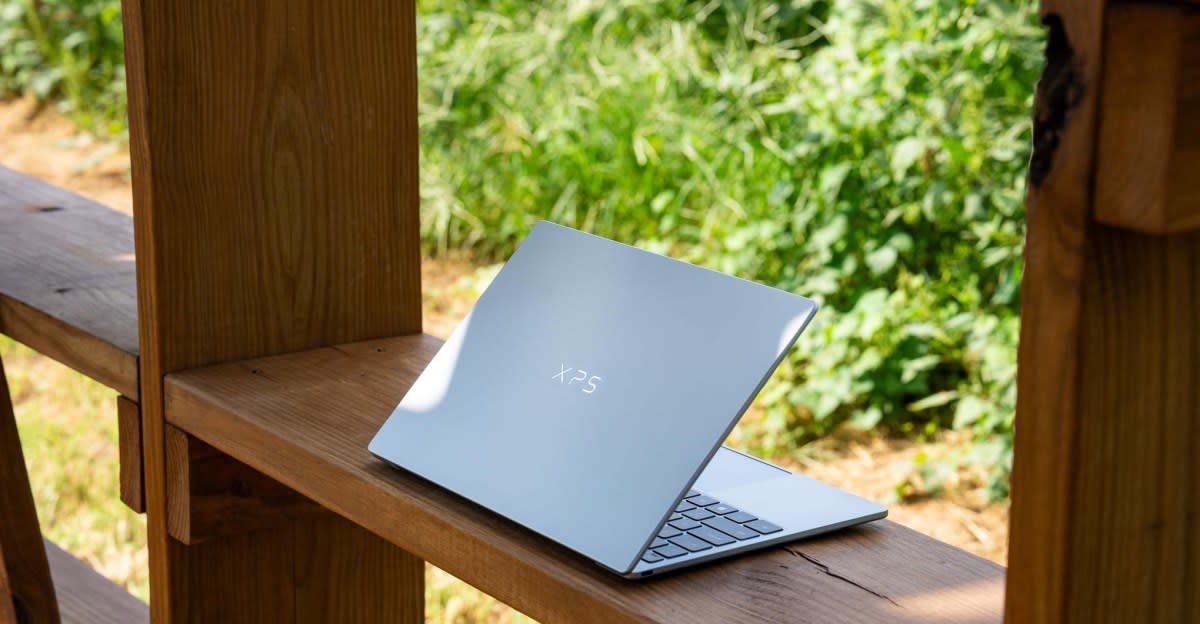
Dell has revitalized its XPS 13 brand with a new, affordable model designed to challenge the Apple MacBook Neo. Priced at $700, the device offers premium hardware and impressive performance even with 8GB of RAM.
The Resurgence of the Dell XPS 13
Dell has officially breathed new life into its iconic XPS 13 line, marking a significant strategic pivot for the company. Following a period where the XPS brand faced an uncertain future—culminating in a lackluster and overpriced final iteration—Dell has successfully resurrected the moniker. After testing the waters earlier this year with the high-end, premium XPS 14 and 16 models, the company is now targeting the mainstream market with a re-engineered XPS 13 designed specifically to compete with the Apple MacBook Neo.
A New Strategy for Market Dominance
This move represents a departure from the recent trend of pushing the XPS brand exclusively into the luxury, high-margin category. By positioning the 2026 XPS 13 at an aggressive $700 price point, Dell is directly challenging the dominance of the MacBook Neo in the thin-and-light segment. This is a critical tactical shift; by lowering the barrier to entry, Dell aims to capture a demographic that values premium build quality but previously found the XPS brand prohibitively expensive.
Hardware Excellence in an Affordable Package
Despite the lower price tag, the new XPS 13 does not compromise on the essential user experience. The core hardware components—specifically the display, keyboard, trackpad, and speaker system—are described as excellent. In the competitive landscape of sub-$1,000 laptops, achieving this level of build quality is rare. Dell has managed to package these features into a sleek, ultra-portable chassis that challenges the aesthetic and functional standards set by Apple.
Optimizing Performance with Windows 11
One of the most notable aspects of the new XPS 13 is its performance efficiency. Many Windows 11 laptops have historically struggled with multitasking when limited to 8GB of RAM, often leading to sluggish system behavior. The new XPS 13, however, manages to remain competent and responsive under these constraints. This suggests that Dell has achieved superior software-to-hardware optimization, allowing the device to punch above its weight class in terms of daily productivity.
Future Implications for the Laptop Market
Looking ahead, the success of this device could set a new benchmark for Windows-based ultra-portables. If Dell can maintain this level of build quality at a $700 price point, it puts immense pressure on other PC manufacturers to improve their own entry-level and mid-range offerings. The rivalry between the XPS 13 and the MacBook Neo is likely to drive further innovation in hardware design and power efficiency, ultimately benefiting the consumer by forcing a higher standard of performance in the thin-and-light category.