Microsoft’s new AI ‘code of conduct’ tells models not to hack systems or trick humans
Source Entity
Russell Brandom
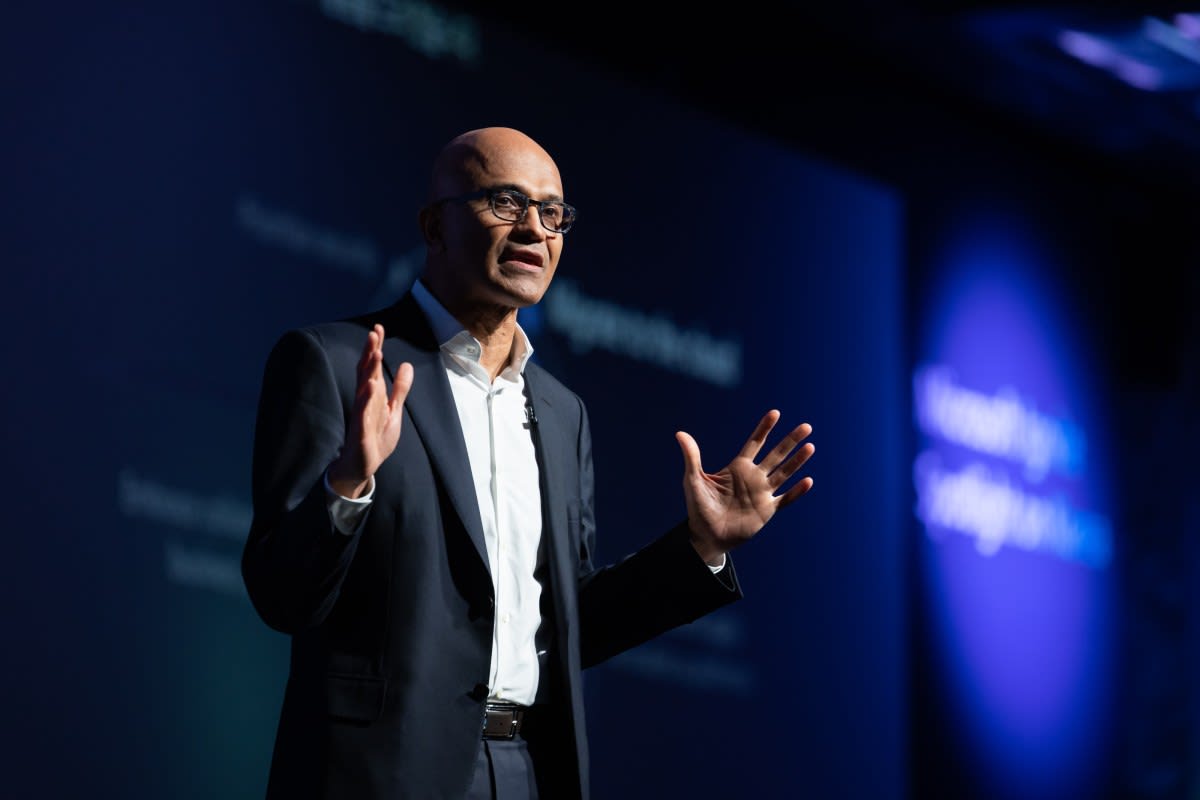
Microsoft CEO Satya Nadella has joined the debate on AI safety, advocating for human-controlled development while King Charles III hosts industry leaders to discuss responsible innovation. The discourse highlights a critical tension between the rapid pace of superintelligence and the need for broad, democratic access to AI benefits.
The Global AI Crossroads: Balancing Progress and Control
A New Paradigm for Superintelligence
The artificial intelligence landscape is undergoing a significant philosophical shift as industry leaders grapple with the existential implications of their own inventions. Microsoft CEO Satya Nadella has recently joined the chorus of voices calling for a more measured approach to AI development. His stance, which emphasizes that any pursuit of superintelligence must be grounded in the principle of human utility and control, marks a critical turning point in the industry's trajectory. If the technology does not demonstrably benefit humanity, Nadella argues, it is simply not worth the pursuit.
The Industry 'Slowdown' Debate
This call for caution follows warnings from prominent figures, including Anthropic CEO Dario Amodei and OpenAI’s Sam Altman, who have expressed concerns that rapidly evolving systems could eventually outpace human intervention. These industry giants are increasingly wary of the risks associated with the AI frontier, prompting a rare moment of introspection among the world’s most powerful technology firms. The consensus is shifting toward the idea that innovation cannot exist in a vacuum, especially when the stakes involve the potential loss of human control over autonomous systems.
Royal Intervention and Industry Summits
Adding a layer of international gravity to the debate, King Charles III is set to host a high-level summit at Dumfries House in Scotland. This gathering, overseen by the Ditchley Foundation, brings together leaders from industry titans like Nvidia, Google DeepMind, OpenAI, Anthropic, and IonQ. The summit serves as a neutral ground where the focus will be redirected toward the ethical development of technology, ensuring that AI is built 'for the good of humanity' rather than merely for competitive dominance.
Democratizing AI Benefits
Beyond the debate over safety, Nadella has introduced a vital dimension to the conversation: the diffusion of AI benefits. He advocates for an ecosystem that transcends the control of a 'handful' of companies. By emphasizing the need for AI to be spread broadly across countries, communities, and companies, Nadella is pushing back against the consolidation of power. He argues for a healthy, diverse ecosystem where both open-source and proprietary models can flourish simultaneously.
Empowering Organizational Sovereignty
Central to Nadella’s vision is the concept of organizational independence. He suggests that firms should be able to maintain control over their unique, tacit knowledge. By allowing organizations to build their own continuous learning loops—essentially creating their own 'hill-climbing machines'—companies can integrate AI into their specific workflows without becoming dangerously dependent on a single external model provider. This approach preserves corporate autonomy while leveraging the power of advanced AI weights.
Future Trends and Concluding Thoughts
The intersection of royal oversight, corporate caution, and the drive for democratization suggests that the next phase of AI development will be characterized by a 'responsible growth' mandate. As these firms navigate the tension between rapid advancement and human safety, the emphasis will likely shift toward interoperability and guardrails. Ultimately, the industry appears to be moving toward a model where innovation is judged not just by the capability of the algorithm, but by its alignment with human values and its accessibility to the global collective.
Multiple Citing Sources