2,000 flights delayed in US as Delta suffers tech issue ahead of Thanksgiving: What we know
Source Entity
The Indian Express
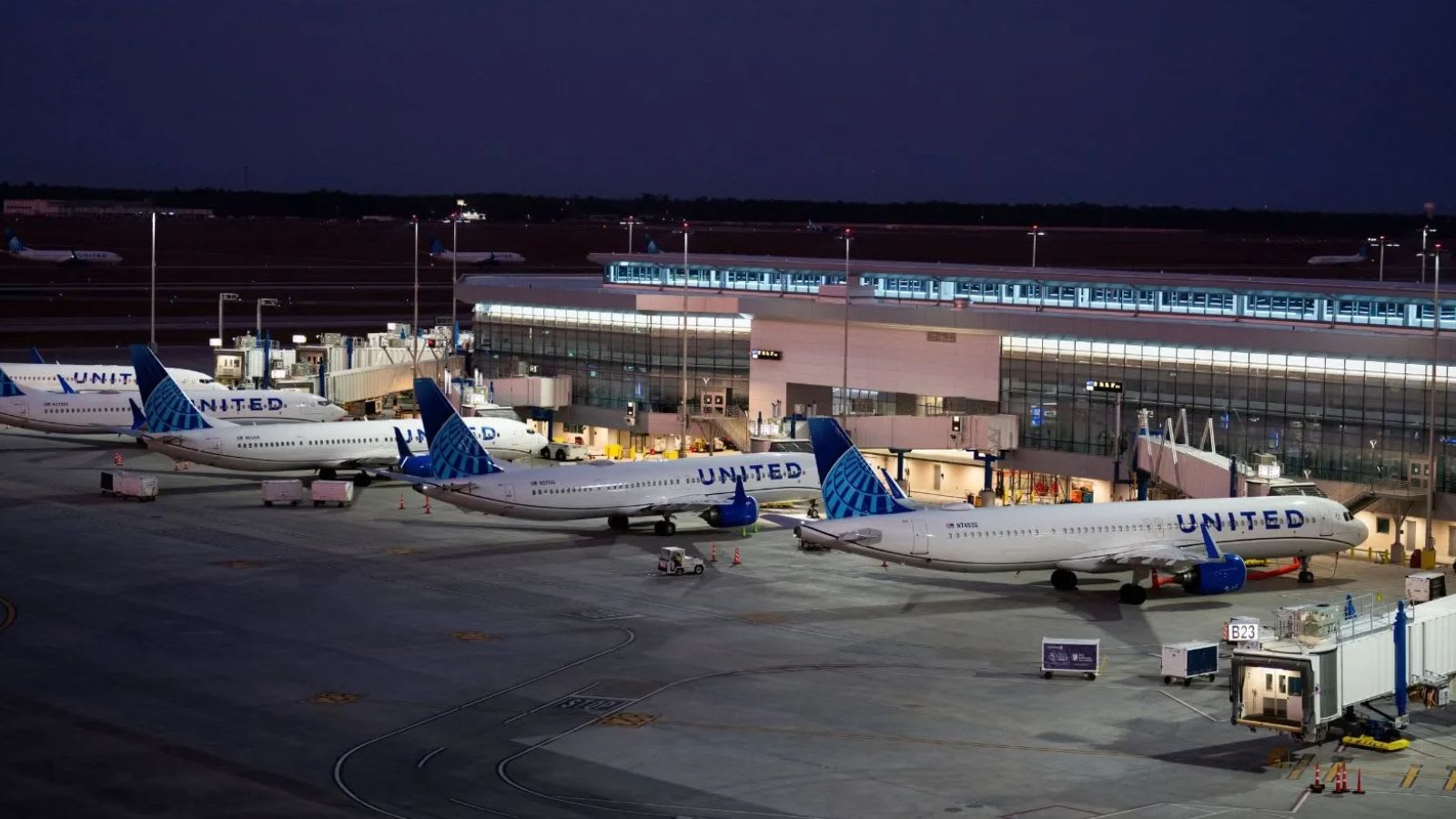
Delta Air Lines is experiencing nationwide flight delays due to a critical automation failure in its weight and balance calculation system. The airline is currently utilizing manual workarounds to minimize disruptions at its Hartsfield-Jackson Atlanta hub.
Operational Disruption at Delta Air Lines
Delta Air Lines is currently grappling with a widespread operational challenge as a technical failure within its flight automation systems has triggered cascading delays across its domestic network. The issue centers on the airline's automated weight and balance system, a critical component of aviation safety protocols that determines the distribution of mass, fuel, and passenger load on an aircraft before departure.
The Role of Weight and Balance
At the heart of this disruption is the complex mathematical calculation required to ensure an aircraft operates within its structural and aerodynamic limits. This system calculates the total weight of the airframe, fuel, cargo, passengers, and baggage. Furthermore, it determines the center of gravity, a vital data point that ensures the plane remains stable throughout flight. When this automated system fails, airlines are forced to pause departures to ensure that every calculation meets strict FAA safety mandates.
Impact on the Atlanta Hub
Hartsfield-Jackson Atlanta International Airport, serving as Delta’s primary global hub, has been hit particularly hard by this outage. As one of the busiest airports in the world, any disruption at this location creates a ripple effect, causing delays for connecting flights across the entire United States. The Federal Aviation Administration (FAA) has issued a ground delay advisory, reflecting the severity of the bottleneck created by the system's inability to process departure data automatically.
Navigating Manual Workarounds
In response to the technological failure, Delta has initiated manual workarounds to facilitate departures. While these manual processes ensure that safety standards are upheld, they are significantly slower than the automated systems the airline relies on for high-frequency operations. This transition from automated, high-speed processing to manual verification is the primary driver behind the current widespread schedule slippage.
Broader Industry Implications
The incident highlights the aviation industry's profound reliance on complex, integrated software systems. As airlines increasingly automate ground operations to increase efficiency and throughput, the margin for error in digital infrastructure becomes thinner. This event serves as a reminder of the fragility of hyper-connected airport ecosystems, where a single localized system failure can disrupt a massive national carrier’s entire daily itinerary.
Future Outlook and Conclusion
As Delta’s technical teams work to restore the automation software, the airline faces the secondary challenge of re-balancing its schedule and managing passenger expectations. Moving forward, this incident will likely prompt a review of contingency protocols and redundant systems for weight and balance calculations. For now, passengers are advised to monitor flight status updates closely as the airline works to return to normal operations following the restoration of its critical ground systems.
Multiple Citing Sources