Bisleri water samples declared 'unsafe' by food regulator; company responds
Source Entity
AADRITA HALDER
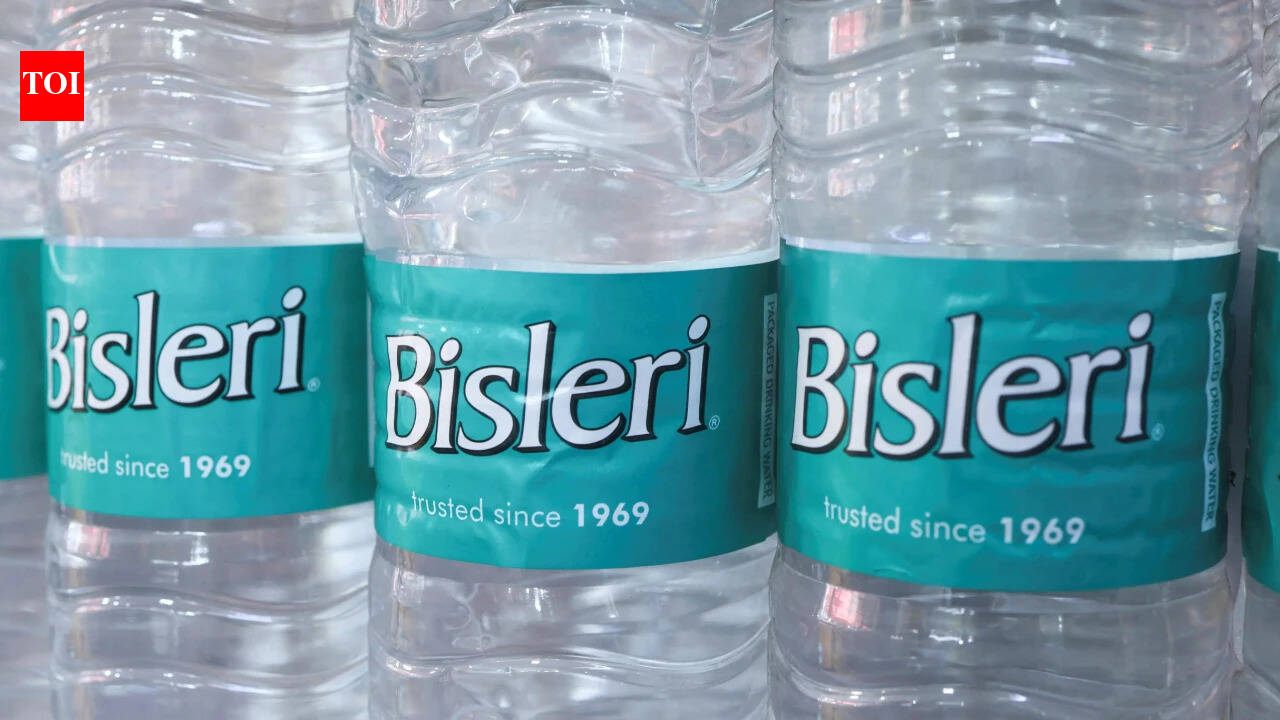
The FSSAI has initiated legal action against Bisleri International after a sample of its packaged drinking water was declared unsafe due to excess bromate levels. As a market leader with a 60% share, this regulatory intervention highlights critical concerns regarding manufacturing quality controls.
Regulatory Crackdown: The Bisleri Prosecution Case
The Food Safety and Standards Authority of India (FSSAI) has officially sanctioned the prosecution of Bisleri International Pvt Ltd following the discovery of non-compliant packaged drinking water. The regulatory action was triggered after a sample, collected directly from the company's premises, failed to meet the safety standards established under the Food Safety and Standards (FSS) Act, 2006. Specifically, the sample was found to contain bromate levels exceeding the permissible limits, leading the regulator to classify the product as "unsafe."
Implications of the Bromate Violation
Potassium bromate is a chemical compound that, when present in water beyond regulated limits, can pose significant health risks to consumers. The FSSAI's decision to pursue legal proceedings suggests a zero-tolerance approach toward lapses in quality control, especially concerning products that are staples in the Indian consumer market. This development marks a serious regulatory hurdle for a company that has long been synonymous with the packaged water category in India.
Market Dominance and Sectoral Impact
Bisleri currently holds an estimated 60% market share in the packaged drinking water industry. Given this massive footprint, the FSSAI’s move is expected to send ripples across the entire sector. Manufacturers and bottlers are now likely to face heightened scrutiny regarding their own filtration and purification processes. The sheer scale of Bisleri's operations means that any "unsafe" designation could force a broader industry-wide audit of quality assurance protocols to maintain consumer trust.
The Role of FSSAI in Consumer Safety
This incident underscores the critical function of the FSSAI as the primary gatekeeper for food and beverage safety in India. By collecting samples directly from manufacturing premises, the regulator ensures that accountability starts at the point of production. The prosecution of such a prominent entity serves as a clear signal that market leadership does not grant immunity from regulatory compliance, and that safety standards are non-negotiable.
Future Trends in Quality Control
Moving forward, the industry is likely to see an increase in mandatory testing frequency and more rigorous compliance documentation. Companies will need to invest heavily in modernizing their water treatment facilities to ensure that chemical byproducts like bromate are kept well within the safety thresholds defined by the 2006 Act. For consumers, this event highlights the importance of regulatory oversight in ensuring that "safe" water is not just a marketing claim but a verified product standard.
Conclusion
The prosecution of Bisleri International by the FSSAI is a watershed moment for the Indian bottled water industry. As the sector grapples with the fallout, the focus will inevitably shift toward transparency and stricter adherence to safety norms. Whether this leads to a permanent shift in manufacturing practices remains to be seen, but the regulatory message is clear: quality control is the paramount requirement for market sustainability.
Multiple Citing Sources