Trump's handpicked prosecutor resigns from DOJ probe after clash with attorney general
Source Entity
PRISHA PATNAIK
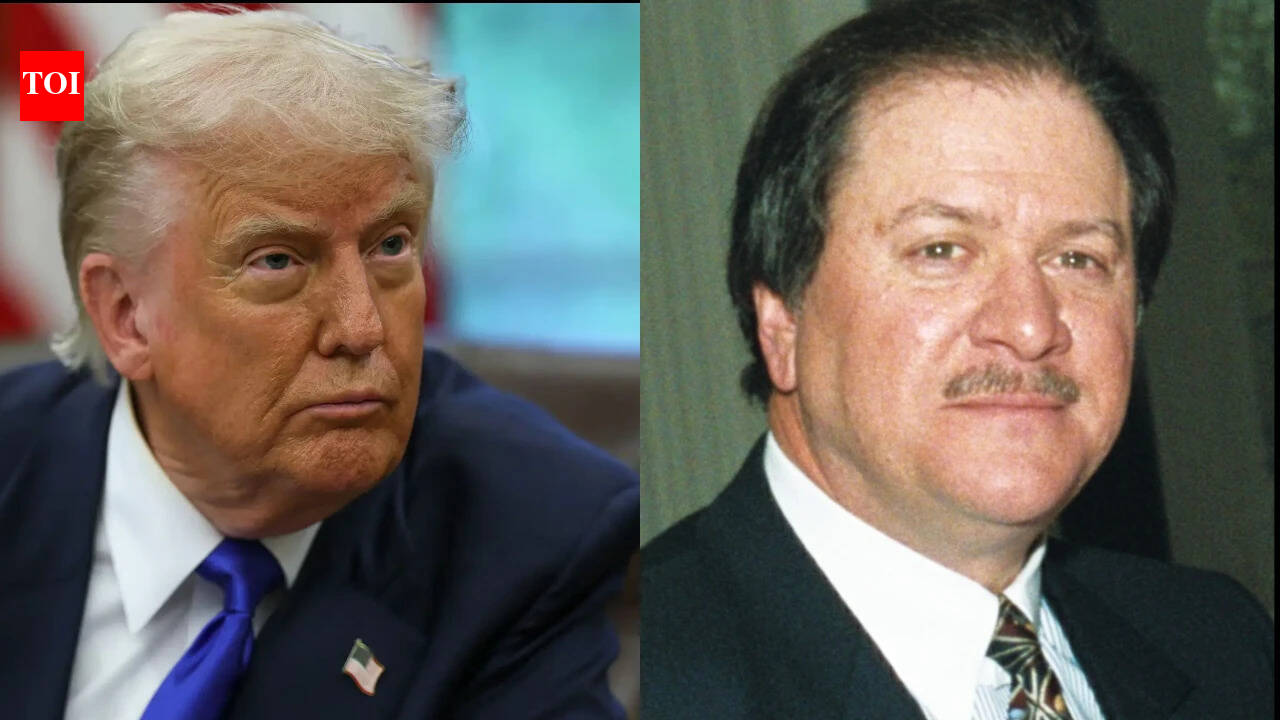
Prosecutor Joseph diGenova has resigned from his role leading a DOJ investigation into former officials who probed Donald Trump. His departure follows a direct conflict with Attorney General Todd Blanche regarding the oversight and staffing of the inquiry.
The Resignation of Joseph diGenova and the Future of the DOJ Probe
A Leadership Void in a High-Stakes Investigation
The recent resignation of Joseph diGenova, a prosecutor handpicked to lead a sensitive Department of Justice (DOJ) investigation, marks a significant disruption in an inquiry focused on former U.S. officials who previously investigated President Donald Trump. This development comes at a time when the administrative control of the Justice Department is under intense scrutiny, highlighting the friction between political appointments and institutional oversight. The departure of a lead prosecutor often signals deep-seated disagreements regarding the scope and methodology of a legal inquiry.
The Anatomy of the Conflict
At the heart of diGenova’s resignation is an irreconcilable clash with Attorney General Todd Blanche. Reports indicate that the tension reached a breaking point following a contentious phone call, triggered by diGenova’s attempts to restrict or exclude lawyers sent from DOJ headquarters in Washington from participating in his South Florida-based team. This struggle for control reflects a broader tension within the executive branch regarding the autonomy of special investigations versus the centralized oversight of the Attorney General’s office.
Challenges to DOJ Institutional Integrity
The dispute over who manages the investigation—the appointed lead prosecutor or the career-oriented staff sent from DOJ headquarters—touches on fundamental questions of how the Department of Justice maintains its operational standards. By attempting to block the intervention of departmental lawyers, diGenova challenged the traditional hierarchy of the DOJ, which typically mandates that high-level investigations remain subject to oversight from senior leadership. This clash underscores the difficulty of managing politically charged probes under the current administrative framework.
Implications for the Investigation
With diGenova’s resignation, the investigation faces immediate uncertainty. The loss of a handpicked lead investigator necessitates a transition period that could cause significant delays in the gathering of evidence and the filing of potential charges. The probe, which was intended to scrutinize the actions of past officials involved in investigations against President Trump, now risks losing momentum, potentially impacting the credibility of the entire endeavor in the eyes of the public and legal observers alike.
Future Trends and Political Fallout
Looking ahead, the vacancy left by diGenova will likely become a focal point for political debate. The administration must now decide how to staff the remainder of the probe in a way that satisfies both internal legal requirements and the original mandate of the investigation. As the DOJ navigates this leadership crisis, it will likely be forced to clarify its internal protocols regarding the autonomy of prosecutors to prevent similar conflicts from stalling future high-profile government inquiries.
Conclusion
In summary, the resignation of Joseph diGenova is more than an internal personnel matter; it is a symptom of the ongoing struggle to balance executive influence with institutional control within the Department of Justice. The investigation into former officials remains in a precarious position, awaiting a resolution that can reconcile the competing visions of the Attorney General and the lead investigative team.