Donald Trump's Own SIR? How An American Voter-Citizenship Mass Check Takes Cue From India
Source Entity
NDTV News Search Records Found 1000
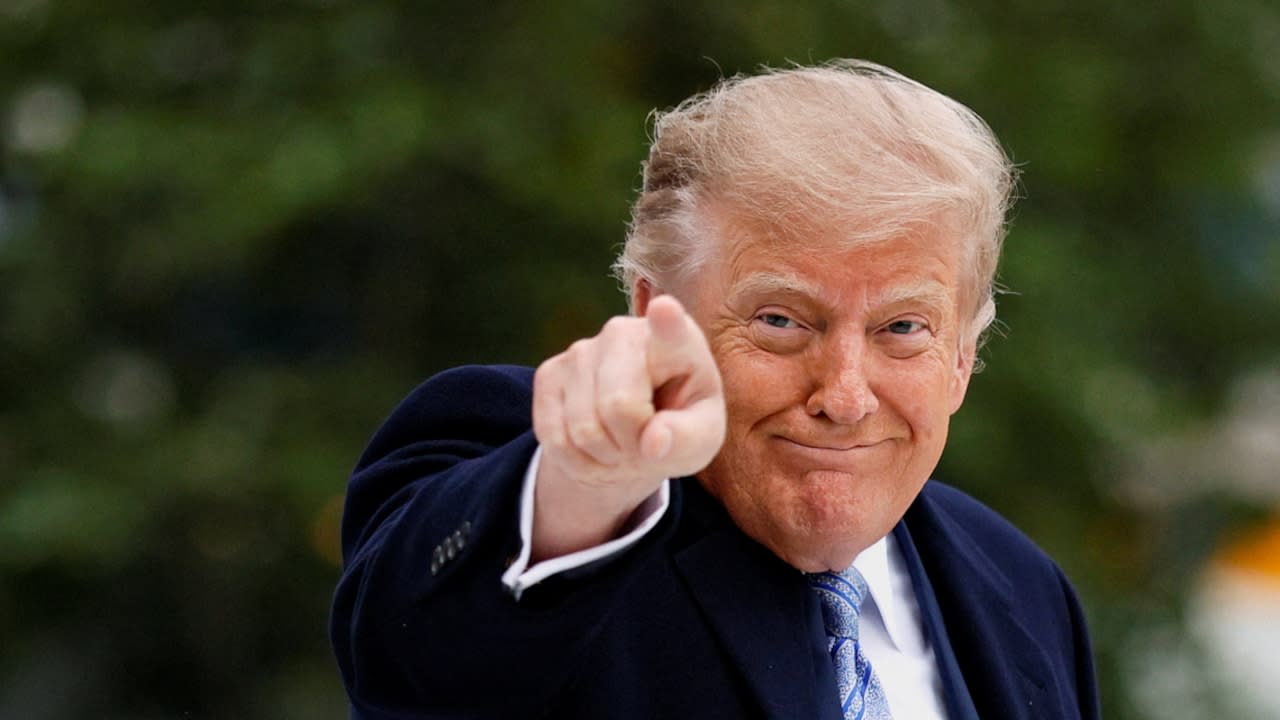
Donald Trump has referenced former Indian Election Commissioner Gyanesh Kumar while advocating for mandatory citizenship verification for US voters. This comparison highlights a growing international discourse on electoral integrity and the potential adoption of stricter verification protocols in Western democracies.
The Intersection of Electoral Integrity and Global Policy
Recent political discourse in the United States has seen a notable cross-pollination of ideas regarding electoral security. Former President Donald Trump has explicitly name-checked Gyanesh Kumar, a former Indian Election Commissioner, to bolster his advocacy for mandatory citizenship checks for American voters. By invoking a figure associated with the rigorous administrative frameworks of the world's largest democracy, Trump is signaling a shift toward utilizing international precedents to validate domestic policy proposals concerning voter eligibility.
The Context of Gyanesh Kumar’s Influence
Gyanesh Kumar’s tenure in the Indian electoral system was marked by the implementation of complex administrative protocols designed to maintain the sanctity of the voter roll. In the Indian context, citizenship verification is a foundational element of the electoral process, managed through centralized databases and strict documentation requirements. Trump’s reference to Kumar suggests an intent to mirror these robust verification mechanisms within the US system, aiming to address concerns regarding the participation of non-citizens in federal elections.
Administrative Challenges and Comparative Governance
The American electoral system, characterized by its decentralized, state-led administration, faces significant logistical hurdles if it were to adopt a centralized citizenship verification model similar to India's. While India benefits from a unified national identity framework, the US relies on a patchwork of state-level databases. Trump’s proposal implies a necessity for a federal mandate that would override current state-based autonomy, potentially creating a seismic shift in how American elections are managed and verified.
Implications for US Electoral Policy
By leveraging the example of India’s electoral management, the political narrative in the US is moving toward a more centralized approach to voter eligibility. If such a policy were implemented, it would likely require significant legislative effort to standardize citizenship reporting across all fifty states. This move is not merely a technical adjustment; it represents a fundamental ideological shift toward prioritizing voter identity validation over ease of access, a topic that remains a central point of contention in American political life.
Historical Precedents and Future Trends
Historically, electoral reforms in the United States have often been reactive to perceived vulnerabilities. The comparison to India’s system serves as a strategic rhetorical device to shift the conversation from domestic partisan bickering to a global standard of 'best practices.' If this trend continues, we may see further scrutiny of international electoral models by US policymakers looking for ways to bolster public confidence in the integrity of the ballot box. The reliance on models like those managed by figures such as Gyanesh Kumar indicates that the global exchange of administrative techniques is becoming a hallmark of modern election security debates.
Verification Required?