Dow Jones Futures Rise After Hawkish Fed, Warsh Hit Stocks, Trump Fumes; AMD, Bloom Energy Eye Buy Points
Source Entity
Yahoo Finance
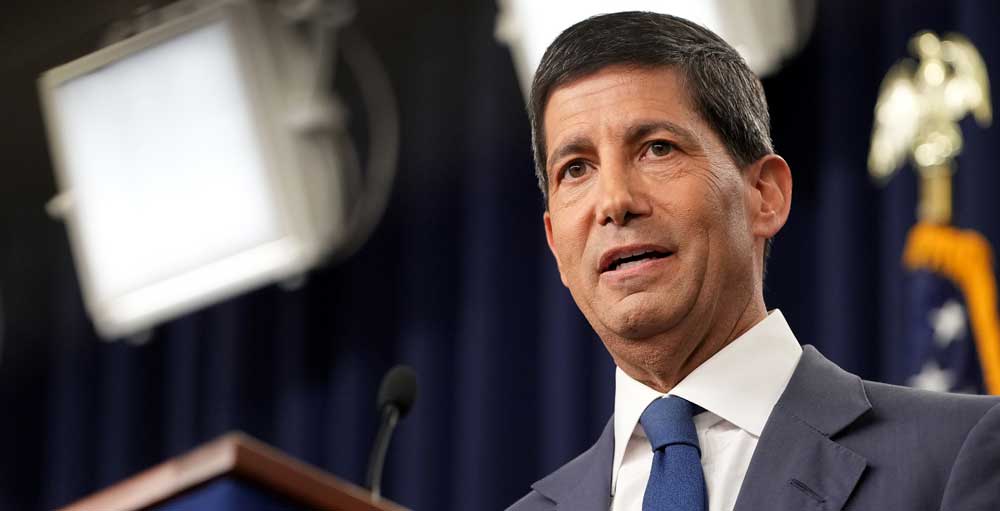
US stock futures rebounded following an initial decline after the Federal Reserve's recent interest rate hike. Investors appear to be finding confidence in the central bank's hawkish stance on inflation despite political pressure from President Trump.
Market Rebound Following Federal Reserve Policy Shift
Following a volatile session on Wednesday, U.S. stock market futures—including the Dow Jones Industrial Average, S&P 500, and Nasdaq—showed a strong recovery in early Thursday trading. This rebound comes in the wake of the Federal Reserve’s decision to raise interest rates by 25 basis points, marking the first such increase in three years. While the market initially reacted with a decline to the central bank's hawkish posture, the subsequent recovery suggests that investors are beginning to digest the long-term implications of this policy shift.
The Role of Hawkish Rhetoric and Credibility
A critical factor in this market stabilization is the rhetoric surrounding Federal Reserve Chairman Kevin Warsh. Analysts have pointed out that his hawkish communication style has played a pivotal role in restoring market confidence regarding the Fed’s commitment to curbing inflation. By signaling a clear path forward—including the projection of at least one additional rate hike this year—the central bank is attempting to anchor inflation expectations, which is essential for long-term economic stability.
Political Friction and Economic Policy
The policy move has not been without controversy, specifically regarding the public stance of President Donald Trump. The President has expressed significant dissatisfaction with the central bank’s decision, actively demanding large interest rate cuts. This creates a complex dynamic between the executive branch and the independent monetary authority, as the market must now weigh the Fed’s technical inflation-fighting mandate against the potential for political pressure to influence future fiscal or monetary outcomes.
Macroeconomic Indicators and Market Movers
Beyond the Fed’s immediate policy actions, the market’s recovery is being buoyed by broader economic data. Reports indicating stronger-than-expected jobs and manufacturing numbers have provided a foundation for investor optimism. Additionally, the retreat of crude oil prices and Treasury yields has served to lower overhead costs for businesses, offering a reprieve that allowed individual equities—such as Generac, Nebius, Bloom Energy, and AMD—to see positive movement in early trading.
Future Trends and Investor Sentiment
Looking ahead, the tension between the Federal Reserve’s restrictive policy and the administration’s growth-oriented demands will likely remain a central theme for market participants. The ability of the economy to absorb higher borrowing costs while maintaining growth in sectors like technology and energy will dictate the performance of the indexes in the coming months. If the Fed successfully balances its credibility with the necessity of a soft landing, the current positive reaction may signal the beginning of a more stable, albeit higher-interest-rate, economic environment.