DUSU launches WhatsApp helpline for students to report unsafe spots on campus
Source Entity
Latest News: Todays Latest News Headlines from India & World | Hindustan Times | Hindustan Times
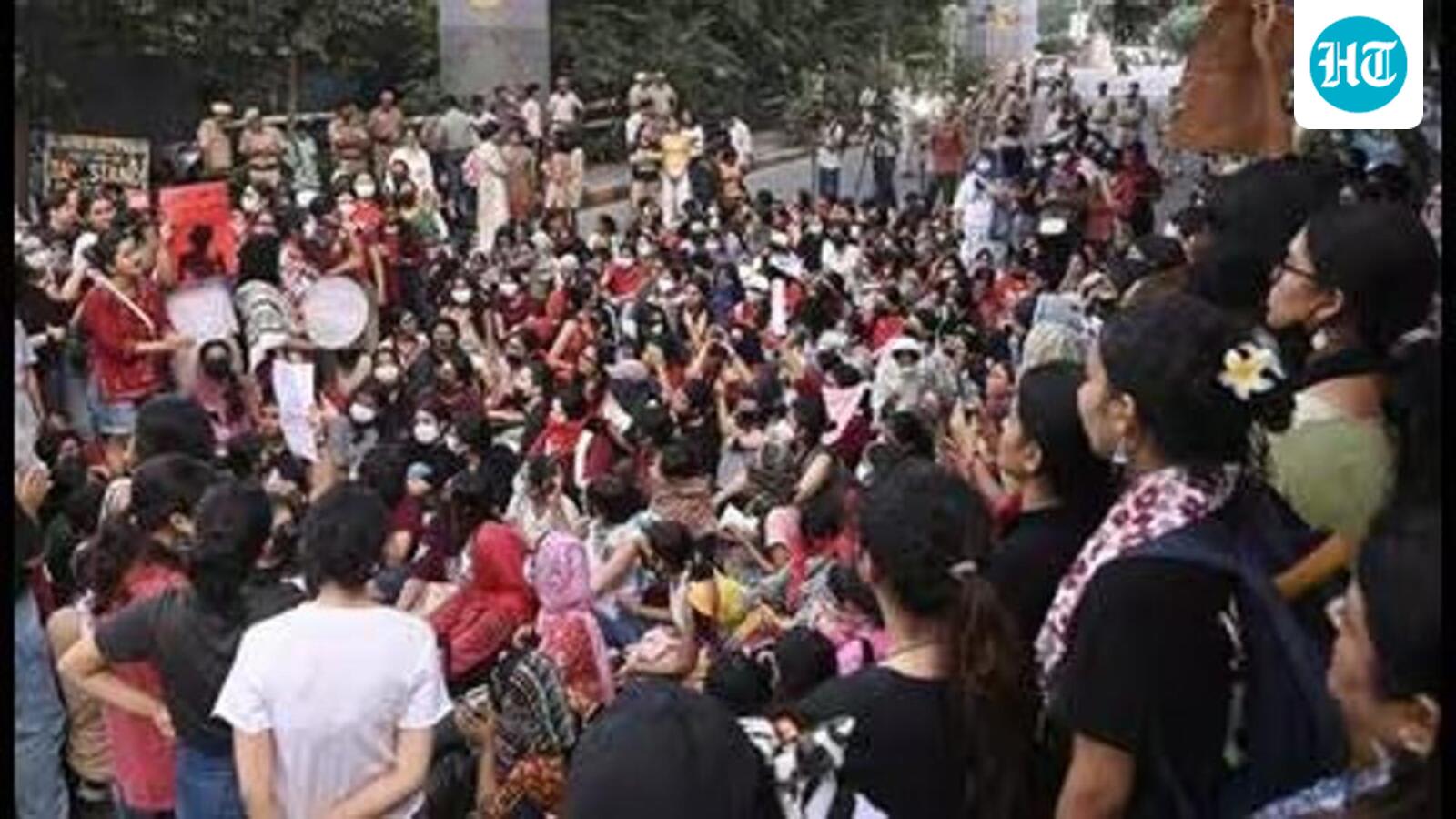
The Delhi University Students’ Union has launched a WhatsApp helpline for students to report unsafe campus areas following a surge in public concern over women's safety. This initiative aims to increase accountability by allowing students to submit geo-tagged photos of poorly lit or dangerous locations.
Addressing Campus Security: A New Digital Vigilance Initiative
Following the distressing reports of a violent assault at Aastha Kunj Park, the Delhi University Students’ Union (DUSU) has taken a proactive step by launching a dedicated WhatsApp helpline. This initiative, spearheaded by DUSU president Yash Dabas, empowers students to identify and report unsafe or poorly lit areas across the expansive university campus by submitting geo-tagged photographs. By leveraging mobile technology, the student body aims to create a verifiable database of security gaps that can be presented directly to university and municipal authorities for immediate remediation.
The Catalyst: A Crisis of Public Safety
The urgency of this measure is deeply rooted in the recent, harrowing incident involving a 17-year-old student who was allegedly gang-raped at gunpoint within the 142-acre Aastha Kunj Park near Kalkaji Temple. The crime, which occurred during evening hours, has ignited widespread student protests and forced a critical re-evaluation of public space security in Delhi. The incident has served as a grim reminder of the vulnerabilities faced by young individuals in isolated or inadequately monitored public areas, sparking a wave of activism demanding better lighting and increased patrols.
Empowering Students Through Geo-Technology
The implementation of a geo-tagged reporting system is a significant tactical shift in how student unions approach advocacy. By requiring students to provide precise location data, DUSU is moving beyond general grievances toward actionable, evidence-based lobbying. This digital approach forces institutional accountability, as the authorities can no longer dismiss safety concerns as anecdotal or vague. It creates a transparent chain of evidence that highlights exactly where infrastructure, such as street lighting or security personnel, is currently lacking.
Institutional Challenges and Advocacy
While the WhatsApp helpline is a vital tool for immediate reporting, it also signals the beginning of a broader campaign. DUSU has committed to taking the aggregated data from this initiative to the relevant administrative bodies, pushing for structural changes that go beyond cosmetic fixes. The challenge remains in the implementation phase; identifying an unsafe spot is only the first step, and the university administration must demonstrate the political and financial will to address these infrastructure deficits in a timely manner.
Future Trends in Student-Led Safety
This initiative reflects a growing trend where students are utilizing personal technology to bridge the gap between institutional inaction and the urgent need for campus safety. If successful, this model of crowd-sourced security reporting could be adopted by other universities across India. As the student body continues to demand safer environments, the integration of digital reporting tools will likely become a standard component of campus safety policy, forcing administrators to maintain higher standards of public space management and illumination.
Verification Required?