Odisha spent Rs 175 crore printing school books — then found 1,741 errors
Source Entity
The Indian Express
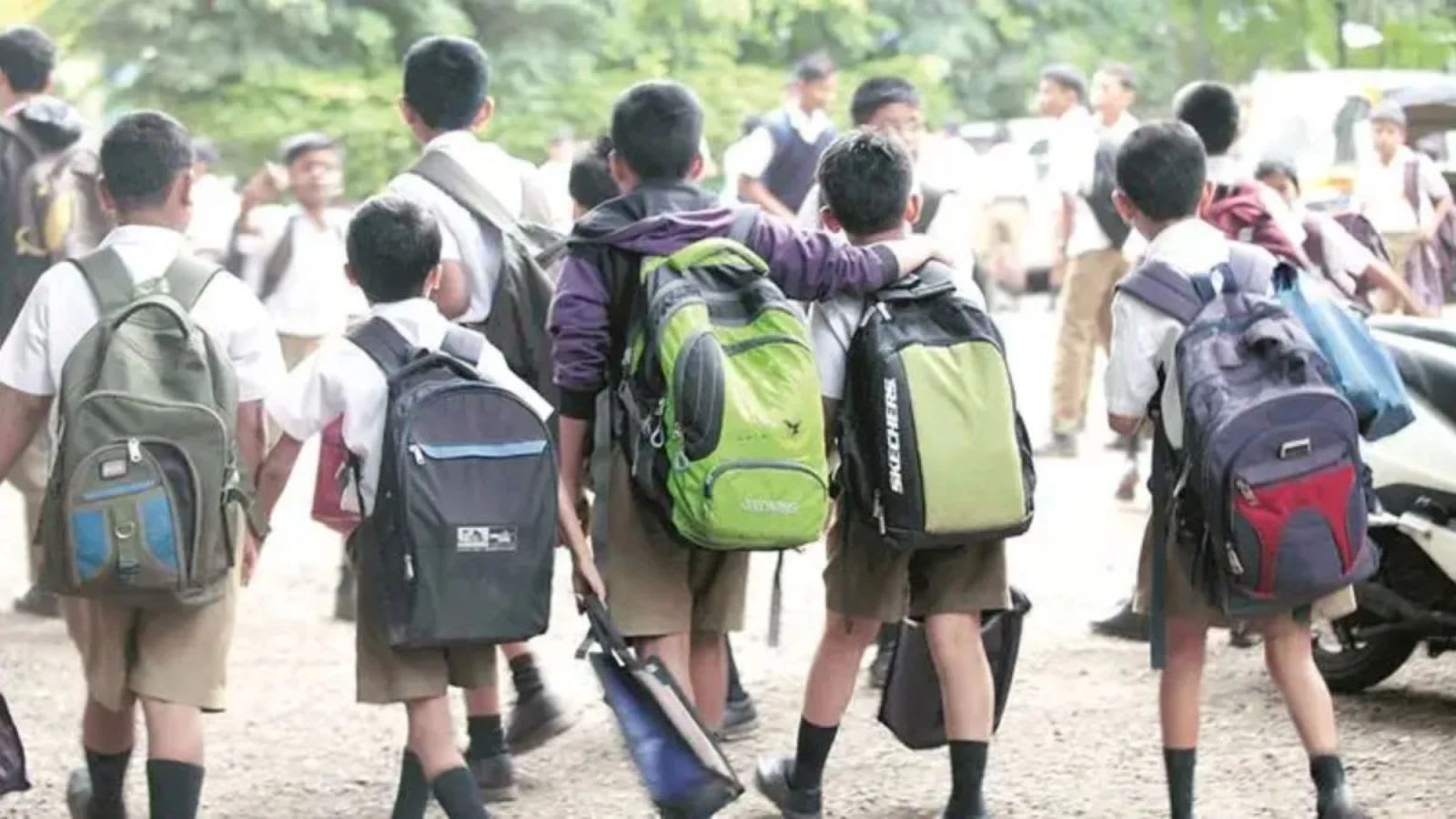
The Odisha government has launched a probe after discovering 1,741 errors in primary school textbooks printed at a cost of Rs 175 crore. Officials attributed the inaccuracies, which include factual and grammatical mistakes, to rushed production timelines and poor proofreading.
Educational Crisis in Odisha: A Case of Institutional Oversight
The recent revelation that the Odisha government spent Rs 175 crore on printing school textbooks for classes 1 to 8, only to discover 1,741 errors, marks a significant lapse in the state's educational quality control mechanisms. State School and Mass Education Minister Nityanand Gond confirmed in a legislative session that these inaccuracies span 55 new SCERT textbooks, undermining the integrity of the state’s primary education system.
Dissecting the Nature of the Errors
According to the official response provided to Congress MLA Sofia Firdous, the errors are not merely typographical. While the bulk of the inaccuracies are classified as grammatical or spelling-related—totaling 1,075 instances—the presence of five distinct 'factual and conceptual' errors is particularly alarming. Textbooks serve as the foundational bedrock for student knowledge; when these resources contain conceptual flaws, they risk embedding long-term misinformation in the minds of young learners, potentially hindering their academic development.
The Root Cause: Rushed Timelines and Process Failure
Government officials have pointed toward 'rushed timelines' and 'inadequate proofreading' as the primary drivers of this failure. In the push to meet academic cycles, it appears that the procedural rigor required for content vetting was bypassed. The fact that an additional 661 suggestions for improvement were documented suggests that the textbooks were released in a state of 'unfinished readiness,' prioritizing the physical distribution of books over the accuracy of the curriculum contained within them.
Broader Implications for State Governance
This incident highlights a systemic breakdown in the procurement and oversight process for public goods. Spending Rs 175 crore is a substantial fiscal commitment, and such an investment demands a robust multi-stage review process that includes academic experts, editors, and subject matter specialists. The failure to catch over 1,700 errors before the printing stage indicates a lack of accountability within the departments tasked with curriculum development and quality assurance.
Looking Ahead: Accountability and Reform
The state government’s decision to order a probe into this matter is a necessary first step, but it must lead to tangible reform. Future procurement cycles will likely require more stringent oversight, potentially involving third-party audits to ensure that educational materials meet national standards before they are mass-produced. For the students of Odisha, this incident serves as a stark reminder of the necessity for transparent governance in the public education sector to ensure that taxpayer money is utilized to provide high-quality, accurate learning tools.