Charles said Diana would be forgotten 'soon enough', Earl Spencer claims in book
Source Entity
BBC News
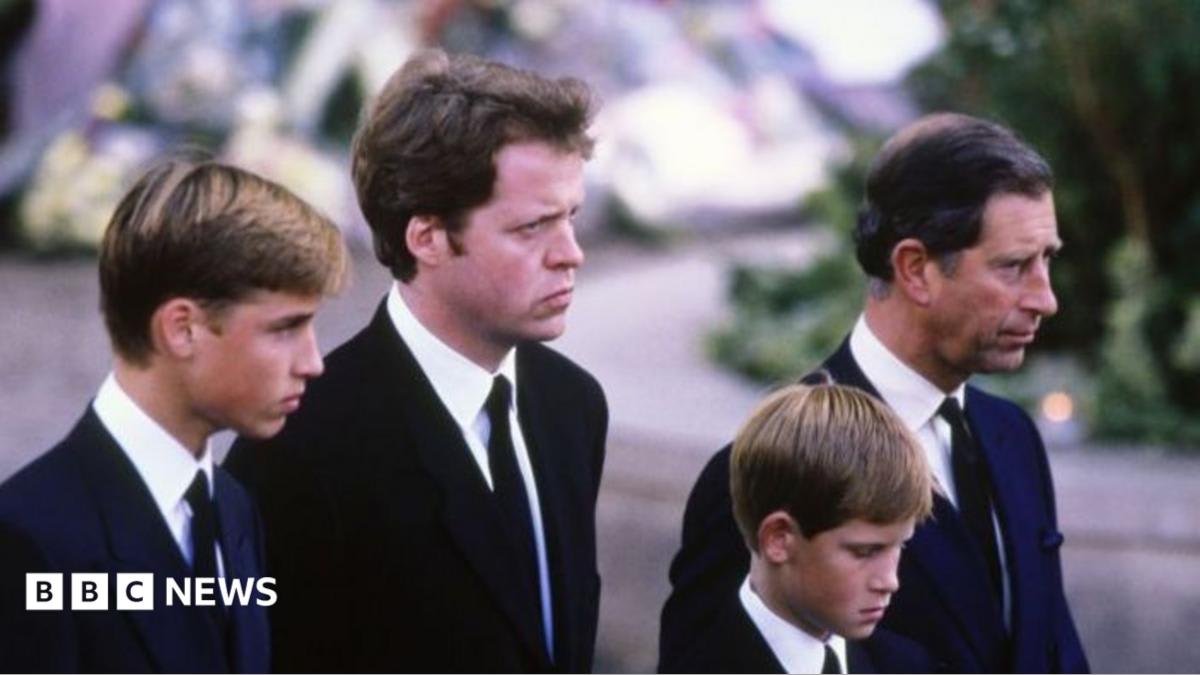
Copies of Earl Spencer's upcoming memoir about Princess Diana were stolen from a truck in the Netherlands just before its global release. The book has already sparked controversy due to the author's claims regarding King Charles's reaction to Diana's death.
The Theft of 'Swan Song' and Its Broader Implications
Recent reports confirm that copies of Earl Spencer’s highly anticipated memoir, Swan Song: Diana, My Sister, were stolen from a transport truck in the Netherlands. The incident occurred while the driver was taking a mandatory rest break, leaving the cargo vulnerable to theft. This breach of security, occurring just one week before the book's global launch, has introduced a layer of logistical chaos to what was already a high-profile publication event. While the theft is currently under investigation by Dutch authorities, the loss of these Dutch-language editions highlights the extreme sensitivity and market value surrounding any new narrative concerning the life and legacy of Diana, Princess of Wales.
The Royal Controversy: A Clash of Perspectives
Beyond the logistical theft, the book is generating significant public discourse due to the explosive claims made by Earl Spencer regarding the immediate aftermath of his sister's death. The Earl alleges that then-Prince Charles, now King Charles III, remarked that the family would "forget her soon enough" in the wake of the tragedy. Furthermore, the memoir details a contentious disagreement between the two men regarding the funeral procession. Spencer claims he faced a "stream of anger" after opposing the inclusion of Princes William and Harry—then only 15 and 12 years old—in the public march behind their mother's coffin.
Buckingham Palace’s Response
Buckingham Palace has taken the rare step of addressing these claims directly. A spokesperson for the King stated, "While we do not comment on books as a matter of principle, His Majesty is mindful that the pain of fraternal grief can cloud reason, affect judgment and colour memory in ways others do not recognise, even many years after such a loss." This response serves as a strategic counter-narrative, effectively characterizing the Earl’s memories as potentially subjective or distorted by the intense trauma of losing a sibling, thereby shifting the focus from the veracity of the claim to the reliability of the narrator.
Historical Context and Public Memory
This incident underscores the ongoing, decades-long battle over the legacy of Princess Diana. Since her death in 1997, the British Royal Family has frequently been the subject of scrutiny regarding how they handled the public's mourning and the personal lives of the Princes. Earl Spencer, having been a vocal figure in the years following her death—most notably through his eulogy at her funeral—has consistently positioned himself as a guardian of her memory. The current friction between the Spencer family and the Crown highlights how private family disputes are often amplified within the public sphere due to the historical weight of the subjects involved.
Future Trends in Royal Biography
As the publication date for Swan Song approaches, the combination of the theft and the pre-release controversy will likely drive significant interest in the book's contents. This trend suggests that memoirs written by those within the inner circle of the Royal Family remain a potent force in shaping public opinion. We can expect that as these narratives continue to emerge, the Palace will likely maintain its policy of measured, diplomatic pushback, emphasizing the subjective nature of personal memoirs versus the official historical record. Ultimately, the theft of these copies serves as a stark reminder of the intense, global appetite for information regarding the British monarchy's most private and painful chapters.