Eastern Europe crypto flows fall 7.9% as Ukraine draws $12B in stablecoins
Source Entity
Cointelegraph by Nate Kostar
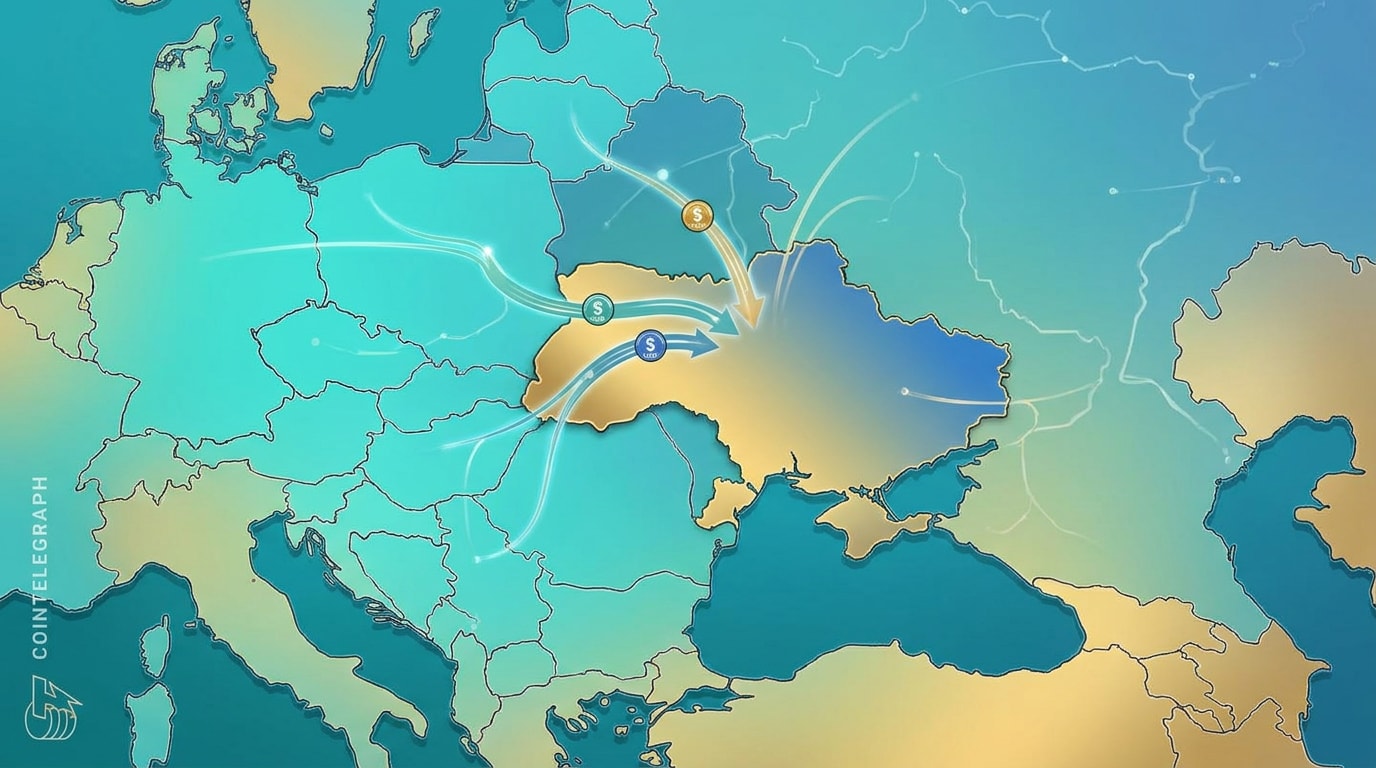
Eastern Europe's crypto market contracted by 7.9% to $642.1 billion, largely driven by a 14.7% decline in Russian activity. Despite this regional downturn, Ukraine continues to rely heavily on stablecoins for cross-border transactions amidst the ongoing conflict.
Eastern Europe Crypto Market Contraction: An In-Depth Analysis
Regional Decline Amid Global Trends
According to the latest data from Chainalysis, Eastern Europe has experienced the most significant contraction in cryptocurrency activity of any region tracked, with a 7.9% decline for the year ending in June 2026. This downturn is notably steeper than the global average decline of 1.6%, signaling a localized shift in digital asset utilization. The regional market value plummeted from $697.1 billion to $642.1 billion, reflecting a broader cooling of speculative and institutional interest that has historically dominated the Eastern European digital economy.
The Impact of Geopolitical Volatility
Russia remains the dominant force in the regional crypto landscape, accounting for approximately 44% of total activity. However, the 14.7% drop in Russian crypto transactions to $284.1 billion serves as a primary driver for the regional slump. This decline likely mirrors the tightening of international regulatory pressures and the complexities of operating within a sanctioned financial environment. While Russia saw a downturn, it is worth noting the divergence within the region, where countries like Belarus posted an impressive 27.6% growth, indicating that crypto adoption patterns are becoming increasingly fragmented based on specific national regulatory and economic conditions.
Stablecoins as a Financial Lifeline in Ukraine
Despite the overall regional decline, Ukraine represents a critical exception to the trend. The report highlights that cross-border stablecoin transfers to Ukraine have remained robust, serving as a vital mechanism for value transfer during the ongoing war. Stablecoins, which are pegged to fiat currencies, provide a level of stability and liquidity that traditional banking infrastructure may struggle to offer in a conflict zone. This underscores the evolution of cryptocurrency from a speculative asset class into a functional tool for humanitarian aid and cross-border financial resilience.
Institutional Withdrawal vs. Retail Resilience
An analysis of transaction sizes reveals a clear trend: institutional-sized activity is receding. Transfers of $10,000 or more dropped by 17.4%, falling from $591.5 billion to $488.6 billion. This reduction suggests that large-scale institutional players are de-risking their exposure to the Eastern European market. Conversely, the report notes that retail-sized transfers have seen an increase in value. This shift suggests that while professional traders and institutions are retreating, the individual user base continues to find utility in digital assets for everyday transactions or small-scale wealth preservation.
Future Implications and Market Outlook
The data presents a complex picture for the future of digital assets in Eastern Europe. The region is transitioning from a period of high-volume, potentially speculative growth to a more utility-driven model characterized by smaller, frequent transactions. As the regulatory landscape continues to evolve—particularly with the implementation of global standards like MiCA in the EU—the market is likely to see further consolidation. The reliance on stablecoins for geopolitical stability in countries like Ukraine confirms that the technology has moved past its infancy, becoming an integral component of modern financial infrastructure in times of crisis.