El Nino and long-term monsoon rain pattern | Number Theory
Source Entity
Latest News: Todays Latest News Headlines from India & World | Hindustan Times | Hindustan Times
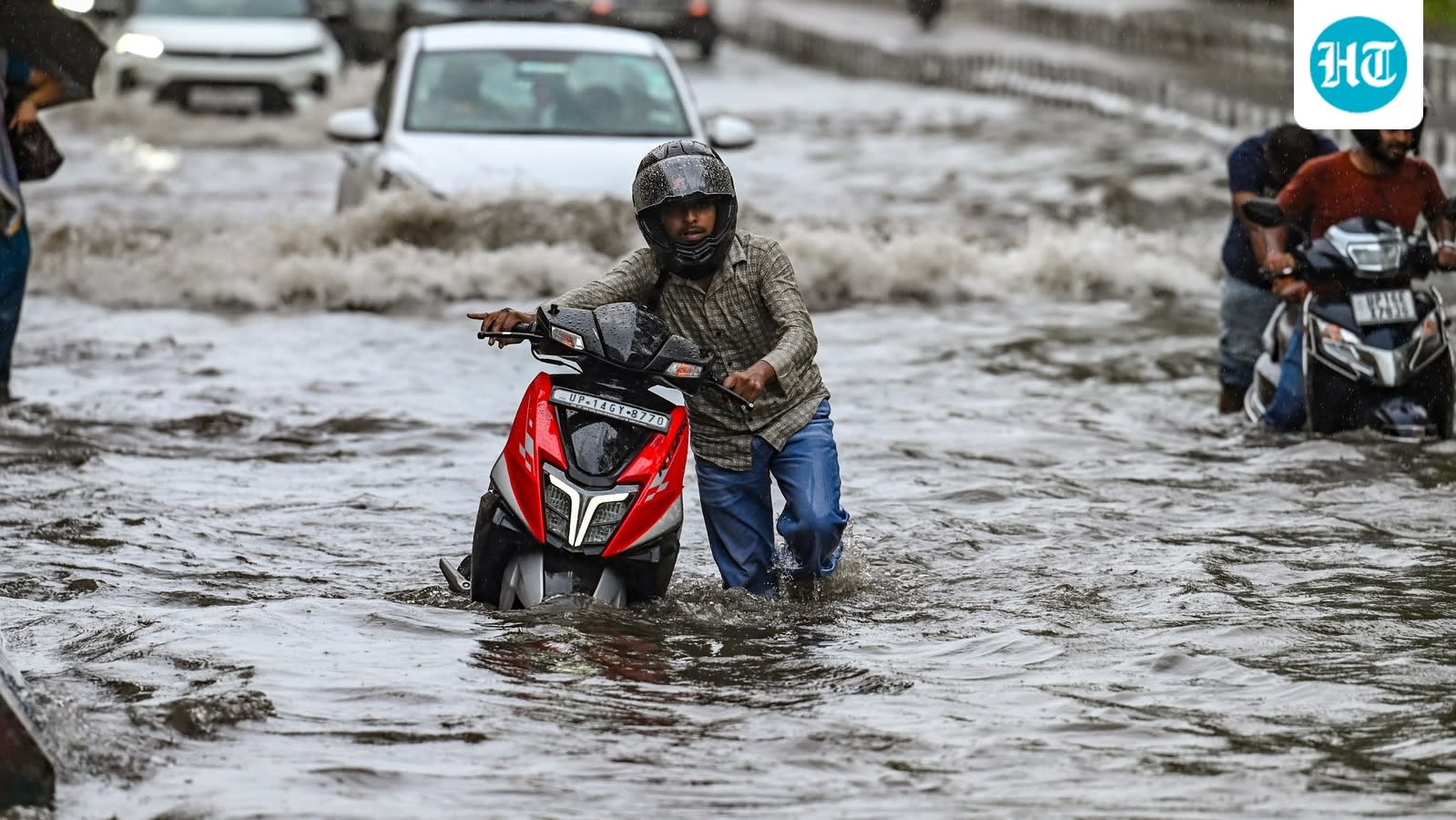
The Indo-Gangetic plains face severe water stress driven by the dual pressures of climate-induced rainfall variability and extreme population density. Sustained demand for water beyond agriculture necessitates a critical reassessment of resource management strategies.
The Looming Water Crisis in the Indo-Gangetic Plains
The Intersection of Climate and Demography
The Indo-Gangetic plains, traditionally regarded as the breadbasket of India, are currently facing a precarious intersection of environmental volatility and acute human demand. While climate phenomena like El Nino disrupt historical monsoon patterns, the regional vulnerability is exacerbated by an exceptionally dense population. Unlike sparsely populated agricultural zones, the Indo-Gangetic region functions as a massive, interconnected hub of human activity where the competition for water resources extends far beyond the requirements of crop irrigation.
Beyond Agricultural Requirements
While the region’s extensive irrigation network is often cited as a buffer against rainfall fluctuations, this infrastructure is increasingly insufficient. The reliance on traditional irrigation models fails to account for the skyrocketing domestic and industrial water demands of a burgeoning population. Satellite imagery from the Global Human Settlement Layer (GHSL) underscores this, revealing a landscape characterized by expanding built-up areas that fundamentally alter the hydrological balance of the plains, placing unprecedented strain on local aquifers.
Data-Driven Realities and Population Pressures
The strain on water resources in the Indo-Gangetic plains is not a transient issue but a systemic challenge that shows no sign of plateauing. Current analysis of the Total Fertility Rate (TFR) via the Sample Registration System (SRS) and the National Family Health Survey points toward persistent population growth. This demographic trajectory implies that the per capita availability of water will continue to decline, creating a permanent state of scarcity that traditional monsoon-dependent planning is ill-equipped to address.
The Role of Future Censuses
As the nation awaits the 2027 census, policymakers must recognize that the current data gaps limit our ability to forecast the exact scale of the impending crisis. The census will be a critical tool in quantifying the shift from agrarian water usage to urban-industrial consumption. Without precise, up-to-date demographic data, the implementation of sustainable water management policies remains reactive rather than proactive, leaving the region vulnerable to long-term drought cycles.
Broader Implications for Food and Water Security
The long-term disruption of monsoon cycles, compounded by high-density human settlement, poses a direct threat to national food security. If the water table continues to drop due to the combined pressure of irrigation and urban expansion, the region’s role as an agricultural powerhouse may be compromised. The necessity for a transition toward water-efficient technology and stringent urban resource management has never been more urgent.
Conclusion: A Call for Integrated Resource Management
Ultimately, the Indo-Gangetic plains represent a case study in the limits of resource resilience. The combination of El Nino-driven rainfall variability and intense, non-agricultural water demand creates a unique set of challenges that require a departure from conventional agricultural-centric policy. Addressing this crisis requires a holistic approach that balances human development needs with the finite reality of regional water availability.
Verification Required?