When schoolchildren go viral — to get roads fixed
Source Entity
Pallavi Smart, Purnima Sah, Soham Shah
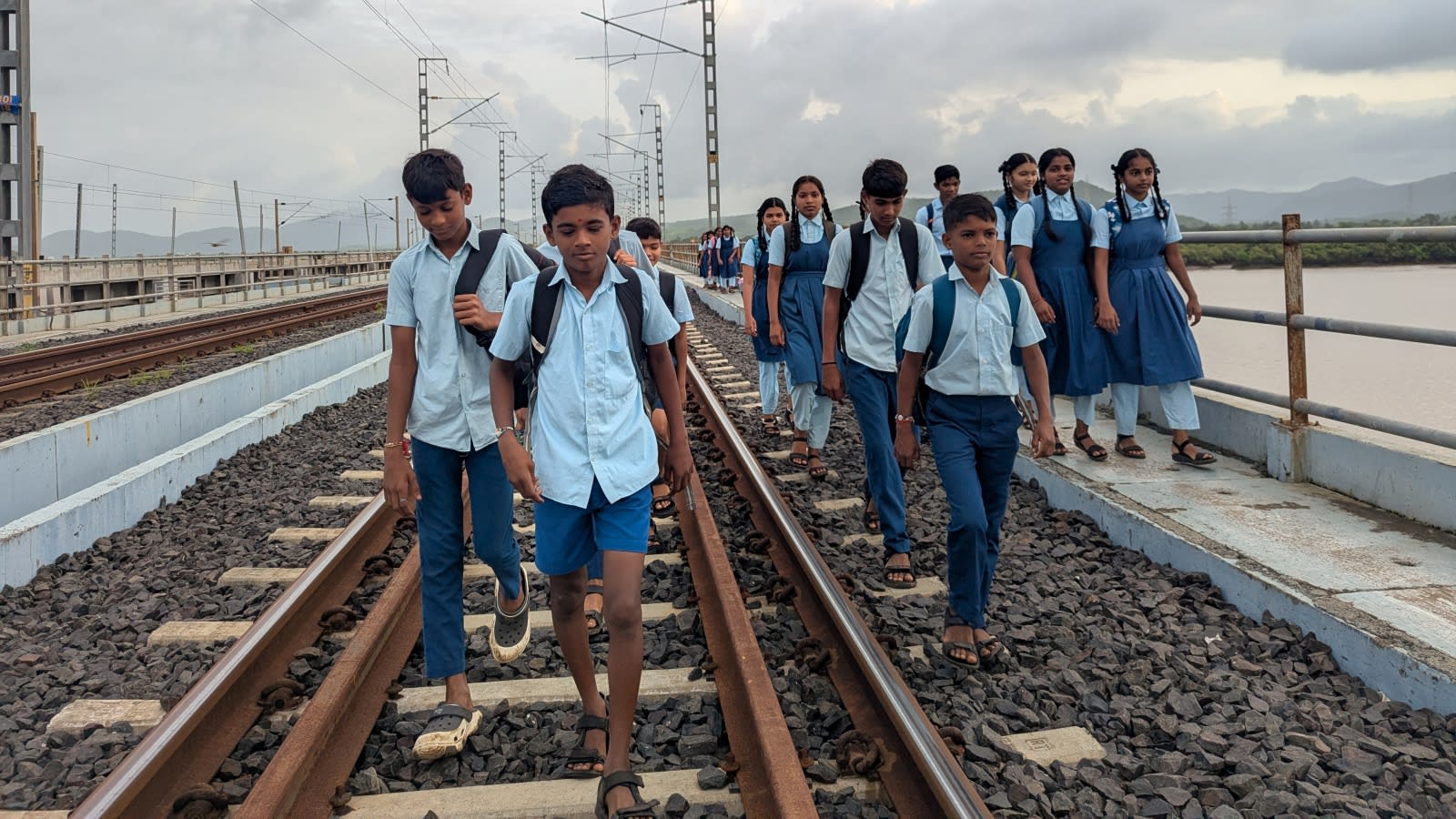
Schoolchildren in Maharashtra are leveraging social media to highlight severe infrastructure issues like potholes and dangerous routes to school. While these viral campaigns have successfully prompted some immediate administrative action, many students still face persistent neglect.
The Digital Advocacy of Maharashtra’s Youth
In the rural districts of Maharashtra, specifically regions like Palghar and Wadhiv, the daily commute for schoolchildren has evolved into a precarious struggle against crumbling infrastructure. Students are forced to navigate hazardous terrain, including deep potholes, railway tracks, and unpaved, muddy trails. This systemic failure of local infrastructure has transformed the simple act of attending school into a test of physical endurance and safety, highlighting a severe gap in basic civic maintenance.
The Shift to Social Media Activism
Facing a lack of traditional bureaucratic response, these students have turned to digital advocacy. By utilizing mobile phones to create mock news reports and direct video appeals, they are bypassing standard grievance procedures. This shift to Instagram and other social media platforms serves as a modern tool for accountability, forcing local authorities to confront visual evidence of civic neglect that might otherwise be ignored in formal paperwork.
The Efficacy of Viral Pressure
This digital strategy has yielded mixed, yet significant, results. In several instances, the public nature of these viral complaints has spurred authorities to take immediate action within days. The shame associated with viral footage of dangerous school routes often compels officials to expedite repairs. However, this is not a universal panacea; many student-led campaigns have been met with nothing more than empty administrative assurances and proposals that fail to materialize into tangible infrastructure improvements.
The Paradox of Future Generations
There is a profound irony in the messaging from these students, who frequently ask, “You say we are the future of the country. But look at how we are living here.” This rhetorical challenge underscores the disconnect between the national rhetoric regarding education and the reality of the environment in which these students learn. By documenting their daily hardships, they are holding the state accountable for the promise of a safe and accessible future.
Broader Implications and Future Trends
The trend of youth-led digital activism in Maharashtra signifies a growing democratization of civic oversight. As social media becomes more deeply integrated into rural life, the ability for citizens—even minors—to document and broadcast administrative failures will likely continue to grow. While viral fame is not a long-term substitute for proper urban planning and maintenance, it currently serves as a critical mechanism for survival and advocacy for those whose voices have been historically marginalized in the political process.