Amid El Niño fears, focus on water security: Minister to officials
Source Entity
India Latest News: Top National Headlines Today & Breaking News | The Hindu
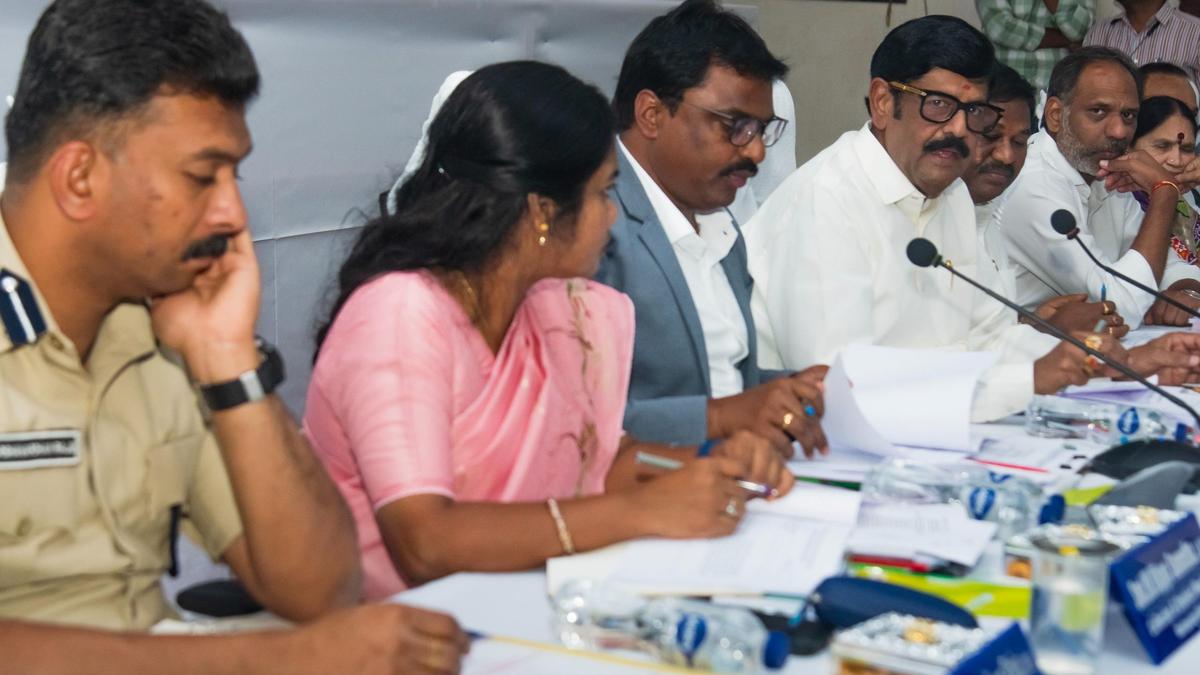
Minister Anam Ramanarayana Reddy has directed officials to implement strategic water security plans to prevent potential drinking and irrigation water shortages triggered by the El Niño weather phenomenon.
Proactive Governance in the Face of Climate Volatility
In a critical move to safeguard public resources, Minister Anam Ramanarayana Reddy, the Endowments Minister and in-charge minister, has issued a directive to officials to prioritize water security. This call to action comes as a preemptive response to the looming threat of El Niño, a climate pattern known for disrupting global weather systems. By instructing officials to act in a "planned manner," the government is attempting to shift from a reactive crisis-management mode to a proactive mitigation strategy, ensuring that both urban and rural populations are not left vulnerable to severe water scarcity.
The Scientific Catalyst: Understanding the El Niño Threat
To understand the urgency of the Minister's directive, one must analyze the impact of El Niño on the Indian subcontinent. El Niño involves the abnormal warming of surface waters in the eastern tropical Pacific Ocean, which often correlates with a weakened Indian Summer Monsoon. For a region heavily dependent on seasonal rains for groundwater recharge and reservoir filling, even a slight deviation in precipitation can lead to catastrophic water deficits. The Minister's focus on "water security" is therefore a direct response to the scientific probability of reduced rainfall, which threatens the stability of the region's hydraulic infrastructure.
Balancing Drinking Water and Irrigation Needs
One of the most complex aspects of the Minister's directive is the dual focus on drinking water and irrigation. These two sectors often compete for the same limited resources during a drought. Drinking water is a non-negotiable human right and a primary public health concern, whereas irrigation is the backbone of the agrarian economy. By demanding a "planned manner" of execution, the government is likely pushing for a prioritized allocation system. This may include the optimization of existing reservoirs, the deployment of emergency water tankers to drought-prone villages, and the encouragement of micro-irrigation techniques to reduce waste in the farming sector.
Historical Context and Regional Vulnerability
The region's history with erratic monsoons makes this directive particularly timely. Historically, periods of El Niño have coincided with crop failures and acute water crises in various parts of India, leading to economic distress for farmers and increased migration to urban centers. By invoking these fears now, Minister Reddy is acknowledging the historical fragility of the water table. The directive serves as a reminder that without rigorous planning, the cyclical nature of these climate events can lead to systemic collapses in food security and public health, making administrative foresight a necessity rather than an option.
Future Trends: Toward Climate-Resilient Infrastructure
Looking ahead, this event underscores a broader trend in Indian governance: the integration of climate science into administrative planning. The shift toward "water security" suggests that the government is beginning to view water not just as a seasonal commodity, but as a strategic asset that requires long-term security. In the coming years, we can expect a greater emphasis on rainwater harvesting, the restoration of traditional water bodies, and the implementation of smart-grid water management systems. The current directive is a stepping stone toward building a climate-resilient infrastructure that can withstand the increasing frequency of extreme weather events.
Conclusion
Minister Anam Ramanarayana Reddy's directive is a vital administrative intervention aimed at mitigating the risks posed by El Niño. By focusing on planned water security for both drinking and irrigation, the government is attempting to shield the populace from the socio-economic shocks of drought. The success of this initiative will depend on the efficiency of the officials in executing these plans and the ability of the state to balance the competing needs of the citizens and the agricultural sector.
Verification Required?