'What is going on inside EC?' Ministers, BJP allies call on poll body to clarify SIR row
Source Entity
VIVEK DUBEY
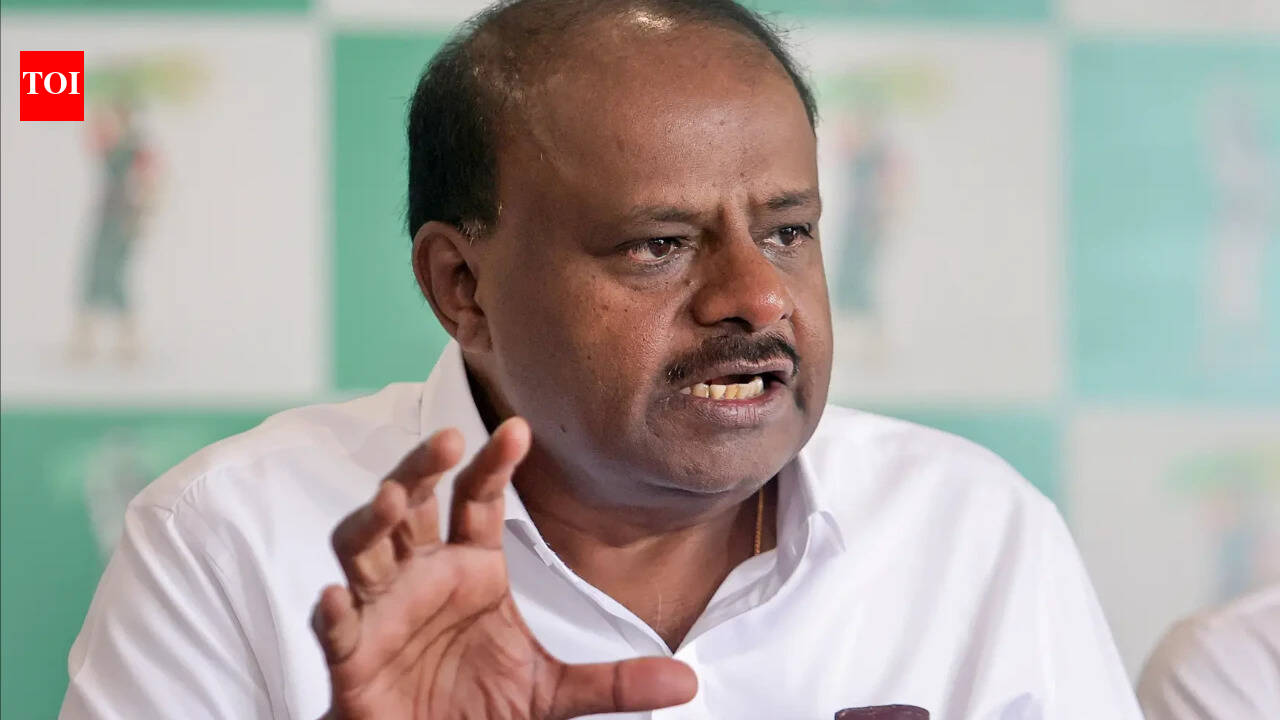
The Election Commission is facing scrutiny following the postponement of an event involving Chief Election Commissioner Gyanesh Kumar and allegations of electoral irregularities. While the EC cites logistical factors, political figures like Chirag Paswan and the Congress party are demanding greater transparency and accountability.
Scrutiny of the Election Commission: A Constitutional Crisis?
The Election Commission of India (ECI), a pillar of the nation's democratic framework, is currently navigating a period of intense public and political scrutiny. Recent developments, including the postponement of an event involving Chief Election Commissioner (CEC) Gyanesh Kumar and vocal demands from political entities regarding the Special Intensive Revision (SIR) of electoral rolls, have placed the commission at the center of a heated national debate.
The Official Stance on Scheduling
In response to questions regarding the shifting schedule of CEC Gyanesh Kumar’s Uttar Pradesh event, the poll body has maintained that such adjustments are standard operating procedures. The ECI characterized these changes as being necessitated by various logistical and administrative factors. This explanation reflects the reality of managing large-scale administrative operations in a country as vast as India, where coordination between state and central authorities often requires fluid scheduling to accommodate unforeseen demands.
Political Pressure and the Demand for Accountability
Despite the EC's administrative justification, the political fallout has been significant. Union cabinet minister Chirag Paswan has publicly urged the CEC to address the growing doubts surrounding the commission's operations. Paswan’s position highlights a critical tension: he argues that political parties lack the access to the internal mechanisms of the EC to defend the body, and therefore, it is incumbent upon the CEC himself to provide clarity. This stance underscores the expectation that an independent constitutional body must proactively maintain its institutional integrity rather than leaving the defense to political proxies.
Allegations of Irregularities and the Congress Protest
Simultaneously, the Andhra Pradesh Congress Committee (APCC) has intensified its campaign against the perceived mismanagement of the electoral process. Led by directives from Y.S. Sharmila, party members staged protests in Vijayawada, explicitly demanding the removal of CEC Gyanesh Kumar. The core of their grievance involves the Special Intensive Revision (SIR) of electoral rolls, with APCC vice-president Kolanukonda Shivaji calling for a judicial inquiry into what they term "vote theft" and irregularities in data entry processes.
The Core Conflict: Data Centralization vs. Transparency
At the heart of the opposition's concerns is the alleged centralization of voter data entry. Critics argue that such centralization could potentially undermine the decentralized, grassroots-level verification processes that have historically protected the sanctity of Indian elections. By calling for an immediate halt to the SIR exercise, the Congress party is signaling a deep-seated distrust in the current administrative shift, demanding that the judiciary take suo motu cognisance of these issues to ensure electoral fairness.
Future Trends and Institutional Stability
Moving forward, the ECI faces the dual challenge of fulfilling its administrative mandate while restoring public confidence. As the commission navigates these allegations, the pressure to demonstrate transparency in its data management and scheduling will only increase. Whether through judicial oversight or direct communication from the CEC, the ECI must address these concerns to preserve the democratic process. The outcome of these demands will likely set a precedent for how future electoral roll revisions are conducted and how the commission handles political criticism in an increasingly polarized landscape.
Multiple Citing Sources